Smart Garden Systems: Are They Worth It in 2026?
Smart garden systems have come a long way. In 2026, they offer more automation and better yields than ever before. But "worth it" depends on your expectations, budget, and willingness to engage with the system. I've tested several models, from basic countertop units to larger, more complex setups, and the reality is they are not entirely hands-off. They are a significant step up from traditional gardening for indoor growing, especially for herbs, leafy greens, and some smaller fruiting plants.
What a Smart Garden System Does (and Doesn't Do)
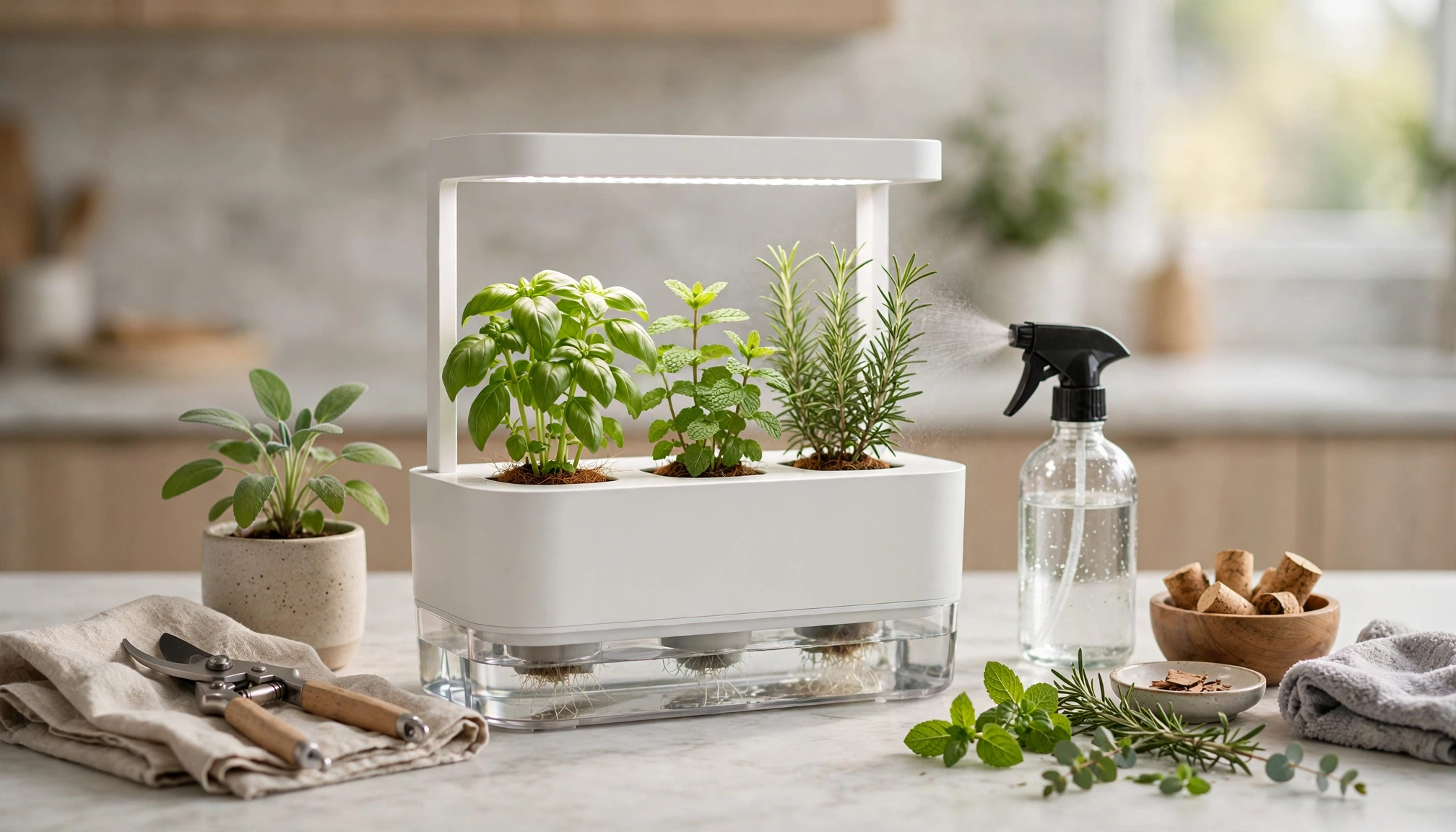
A smart garden system automates key aspects of plant care. This typically includes:
- Lighting: Integrated LED grow lights turn on and off on a schedule, often with adjustable intensity.
- Watering: A pump circulates water and nutrients to the plant roots.
- Nutrient Delivery: Most systems use pre-portioned nutrient pods or liquid concentrates.
- Environmental Monitoring: Higher-end models monitor water levels, pH, and sometimes even temperature and humidity, adjusting as needed.
- Refill Water: Even large reservoirs need refilling every 2-4 weeks. My AeroGarden Farm XL, which holds about 3 gallons (11.4 liters), needs a top-up every 10-14 days when growing mature lettuce.
- Add Nutrients: You add nutrient solutions or pods on a schedule, usually every 1-2 weeks.
- Prune and Harvest: Plants still need trimming and harvesting.
- Clean: Algae can grow in reservoirs, especially if exposed to light. Regular cleaning (every 4-6 weeks) prevents issues.
The Cost of Entry: Upfront and Ongoing
The initial investment for a smart garden system can be substantial. For a home system capable of growing 6-12 plants, you're looking at $350 to $800. This price covers the unit itself, LED lights, pump, and often a starter set of seed pods and nutrients.
Here's a breakdown of typical costs:
| Item | Average Cost (USD) | Notes