Best AI-Powered Air Purifiers for Allergies 2027
Why AI Matters for Allergy Sufferers
Traditional air purifiers run on fixed settings or simple schedules. AI-powered purifiers, however, learn from your environment and habits. They use multiple sensors to detect specific allergens like pollen, pet dander, and dust mites, alongside other pollutants such as VOCs and PM2.5 particles. This data feeds into algorithms that predict air quality changes and adjust filtration proactively, not just reactively.For someone with allergies, this means the purifier ramps up before pollen counts peak or when a pet enters the room, rather than waiting for you to feel symptoms. It also means the unit avoids running at full blast unnecessarily, saving energy and reducing noise.
Key Features to Look For in 2027
When you buy an AI-powered air purifier for allergies, these are the features that make a real difference:
1. Multi-Sensor Integration
A top-tier AI purifier has more than just a particulate sensor. It includes:- PM2.5/PM10 Sensors: Detect microscopic airborne particles, common allergens, and pollutants.
- VOC Sensors: Identify harmful gases from cleaning products, paints, and furniture. Many 2026 models detect VOCs as low as 5 parts per billion (ppb).
- Humidity Sensors: Maintain an optimal indoor humidity level between 40% and 55% relative humidity, which discourages dust mites and mold growth, as recommended by the American Academy of Allergy, Asthma & Immunology (AAAAI).
- Pollen/Allergen Specific Sensors: Some advanced units can differentiate and quantify specific allergen types, like tree pollen or grass pollen, allowing for targeted filtration.
2. Machine Learning & Predictive Analytics
This is where "AI" moves beyond simple automation.- Learning Algorithms: The purifier learns your daily routines, local allergen forecasts, and how specific activities (e.g., cooking, opening windows) affect your indoor air.
- Predictive Adjustments: Instead of reacting to poor air quality, the system anticipates it. For example, it might increase fan speed an hour before local pollen counts typically rise or before you arrive home with a pet.
- Personalized Profiles: You can set up profiles for different family members or times of day, tailoring filtration intensity to individual sensitivities.
3. High-Efficiency Filtration System
Even with smarts, the physical filters do the heavy lifting.- True HEPA Filter: Captures 99.97% of airborne particles 0.3 microns in size, including pollen, pet dander, dust mites, and mold spores. This is a non-negotiable for allergy relief.
- Activated Carbon Filter: Essential for removing odors, smoke, and harmful VOCs.
- Pre-filter: Extends the life of the HEPA and carbon filters by trapping larger particles.
4. Robust CADR (Clean Air Delivery Rate)
CADR measures how quickly an air purifier removes pollutants from a room.- For allergy sufferers, aim for a high CADR for pollen, dust, and smoke.
- For a large bedroom (around 300 sq ft), a CADR of 200-250 CFM is good.
- For larger living spaces (500-800 sq ft), leading AI purifiers typically exceed 350 CFM for pollen. The Environmental Protection Agency (EPA) provides guidance on CADR ratings.
5. Seamless Smart Home Integration
The best AI purifiers fit into your existing smart home ecosystem.- Voice Assistant Compatibility: Works with Amazon Alexa, Google Assistant, or Apple HomeKit for hands-free control.
- Intuitive App Control: A well-designed app lets you monitor air quality data, adjust settings, set schedules, and track filter life without frustration. It should offer insights, not just controls.
- Geofencing: Automatically adjusts settings when you leave or arrive home, preventing unnecessary operation when no one is there. This addresses the common user problem of "wasting energy when no one is home."
Performance & Cost Considerations
Real-World Performance
AI-driven air purifiers can reduce airborne allergen particles (e.g., pollen, pet dander) by up to 99.97% in rooms up to 1,200 sq ft (111.5 sq m) within 30 minutes. This rapid purification is critical during high-allergen periods.Energy Consumption
Despite their advanced features, modern AI purifiers are energy efficient. Top-rated models operating 24/7 on auto mode average 35-50 watts. This translates to an annual electricity cost of approximately $45-$65, based on a national average electricity rate of $0.16/kWh. This low cost helps justify continuous operation for allergy relief.Price Point
The average cost of a premium AI-powered air purifier with HEPA and activated carbon filtration in Q4 2026 is $785.00 USD. This price reflects the advanced sensor technology, machine learning capabilities, and robust filtration systems. While a significant investment, the health benefits for severe allergy sufferers often outweigh the cost.Comparison Table: AI vs. Standard Air Purifiers
| Feature | AI-Powered Air Purifier (2027) | Standard Air Purifier (2027) |
|---|---|---|
| Sensor Array | PM2.5/10, VOC, Humidity, Pollen-specific | PM2.5 only, sometimes VOC |
| Adaptation Logic | Machine learning, predictive analytics, personalized profiles | Manual settings, basic auto mode (reactive to current PM2.5) |
| Allergen Reduction | Up to 99.97% in 30 mins (1,200 sq ft) | Up to 99.97% (requires longer run times or smaller rooms) |
| Energy Efficiency | 35-50W on auto mode ($45-65/year) | Varies widely, often higher due to non-optimized running |
| Smart Integration | Voice control, geofencing, advanced app insights | Remote control, basic scheduling, limited app functionality |
| Average Cost | $785.00 USD | $250-$500 USD |
| Humidity Control | Integrated sensors maintain 40-55% RH | None |
| VOC Detection | Down to 5 ppb | Often 50+ ppb or none |
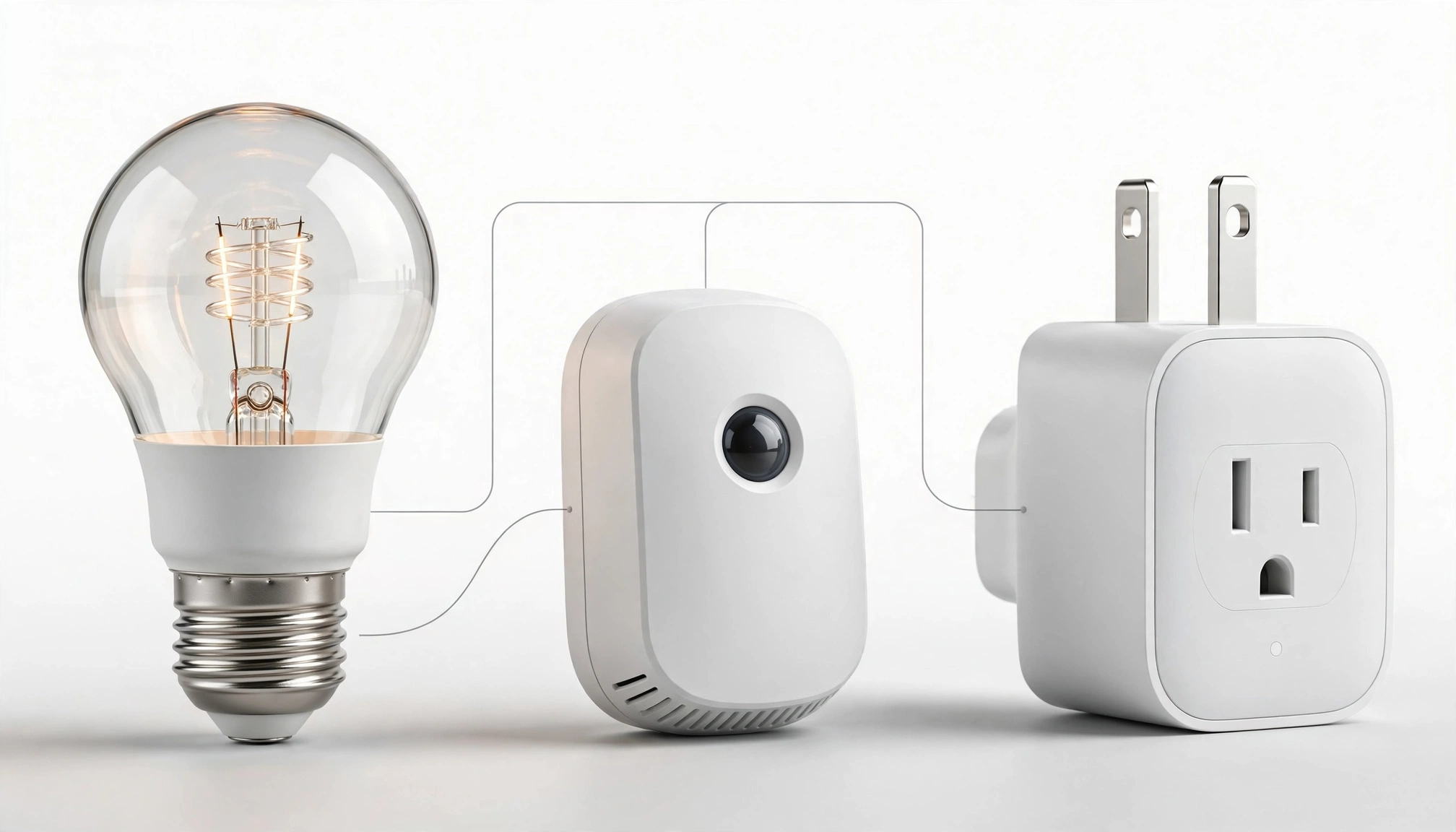
A sleek, modern AI air purifier with a digital display showing air quality metrics and a smartphone app interface demonstrating predictive allergen alerts.
Addressing Common User Problems
"My smart air purifier keeps turning on full blast when there's no one home, wasting energy."
AI Solution: Advanced AI purifiers use geofencing and learning algorithms. They detect when you leave and enter your home via your smartphone's location. The system learns your typical schedule and can reduce fan speed or even pause operation when the house is empty, resuming before you return. This prevents unnecessary high-power usage."I can't tell if my air purifier is actually making a difference, or if it's just running constantly."
AI Solution: The best AI purifiers provide detailed air quality reports through their companion apps. These reports show historical data on PM2.5, VOCs, and sometimes specific allergen levels over hours, days, or weeks. You can see the direct impact of the purifier's operation on indoor air quality, often correlated with local allergen forecasts. This transparency helps you understand its effectiveness."The app for my AI air purifier is too complicated; I just want it to work without constant tweaking."
AI Solution: While offering deep customization, leading AI purifier apps prioritize an "auto-pilot" mode. Once you set basic preferences (e.g., noise tolerance, allergy sensitivity level), the AI takes over. It uses machine learning to optimize settings based on sensor data and external factors, requiring minimal user intervention. The app then acts as a monitoring tool, not a constant control panel.A close-up of an air purifier's multi-sensor array.
Final Verdict & Practical Takeaways
For allergy sufferers in 2027, an AI-powered air purifier is a significant upgrade from traditional models. It moves beyond simple filtration to offer proactive, personalized air quality management. The investment, averaging around $785.00, buys you a system that learns, adapts, and predicts, providing consistent relief from airborne allergens.
Practical Takeaways:
- Prioritize Multi-Sensor Models: Ensure the purifier has PM2.5, VOC, and humidity sensors at a minimum. Pollen-specific sensors are a bonus for severe allergy sufferers.
- Look for True AI: Differentiate between basic "smart" features (remote control, scheduling) and actual machine learning that adapts to your environment and habits. Check for predictive capabilities.
- Verify CADR for Your Space: Match the CADR rating to your room size. A CADR over 350 CFM is ideal for large living areas.
- Check App Usability: A powerful AI is only useful if its interface is intuitive. Read reviews about the companion app's ease of use and data reporting.
- Factor in Filter Costs: While the unit's energy cost is low ($45-$65 annually), remember to budget for replacement HEPA and carbon filters, which typically need changing every 6-12 months and can cost $50-$150 per set.