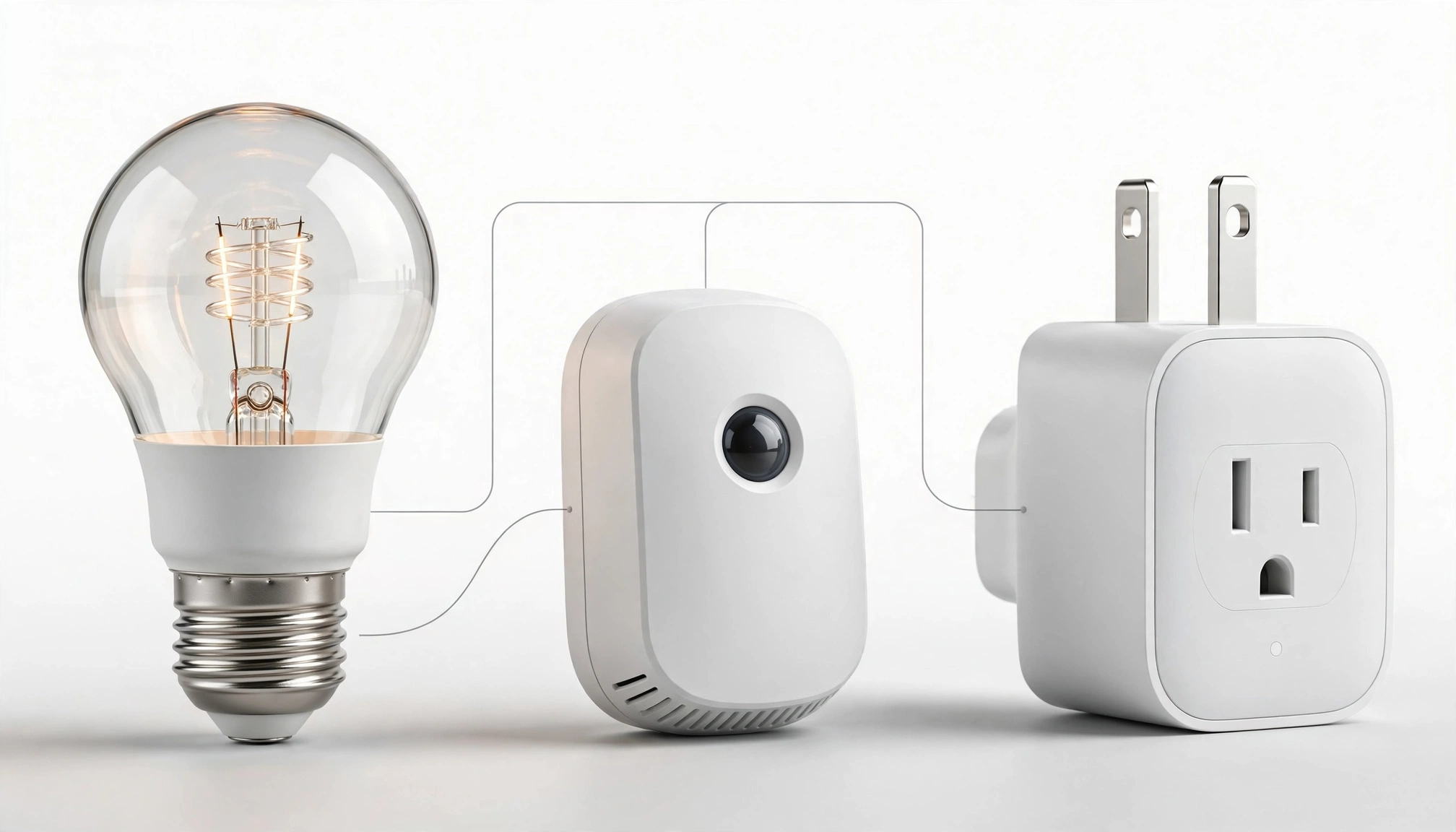
Navigating the "Smart" vs. "Sustainable" Divide in Small Kitchens
When you're outfitting a small kitchen in 2026, the term "smart appliance" gets thrown around a lot. But let's be real: not every gadget with Wi-Fi is actually smart for your wallet or the planet. I've seen countless "smart" devices that just add an app to a basic function, offering zero real energy savings or practical benefits. The goal here is to find appliances that genuinely reduce your environmental footprint and fit your limited space, not just ones that connect to your phone.
The biggest misconception I run into is that all "smart" appliances are inherently sustainable or energy-efficient. That's just not true. Many simply offer connectivity without significant improvements in resource consumption or environmental impact. You need to look beyond the marketing hype and dig into the specs.
Key Considerations for Sustainable Smart Appliances in Small Kitchens
Choosing the right appliance means balancing space constraints, energy efficiency, material sourcing, and genuine smart features. Here's what I look for:
1. Energy Efficiency: Beyond the "Smart" Label
This is non-negotiable. A smart appliance that guzzles power isn't sustainable, no matter how many apps it has.
- Energy Star 7.0 Rating: For 2026, this is your baseline. Don't even consider anything without it. For example, a smart compact refrigerator (under 10 cu ft) with an Energy Star 7.0 rating uses around 280 kWh/year. At the 2026 national average electricity rate of $0.14/kWh, that's about $39.20 annually. Compare that to an older, inefficient model that could easily double that cost. You can check specific models on the Energy Star Product Finder.
- Induction Cooktops: If you're looking at a stovetop, induction is the way to go for small kitchens. Modern smart induction cooktops (2 burners) have an average power efficiency of 90-92%. This means less wasted heat and faster cooking—up to 25% quicker than traditional electric coil stovetops.
- AI-Driven Optimization: Look for appliances with integrated AI that actively manages energy use. The market share of smart small appliances (under 150W average power draw) with these features has grown to 35% in 2026, up from 22% in 2023. This isn't just about scheduling; it's about the appliance learning your habits and optimizing its own cycles.
- Demand-Response Capabilities: This is a game-changer for grid stability and your wallet. Appliances with demand-response can communicate with your utility provider to shift energy-intensive tasks (like running the dishwasher) to off-peak hours when electricity is cheaper and demand is lower. A 2026 study by the National Renewable Energy Laboratory (NREL) found these features can reduce peak energy consumption by 10-15% during grid stress events.
2. Compact Design & Space Utilization
Small kitchens demand efficiency in every dimension.
- Footprint: Measure your available counter space and cabinet openings precisely. A "compact" dishwasher might still be too wide.
- Multi-functional Appliances: Consider smart appliances that do double duty. A convection microwave oven, for instance, can replace a separate oven and microwave, saving precious counter space.
- Built-in vs. Countertop: For dishwashers, a smart countertop model (6 place settings) is often ideal for small spaces. These typically consume about 2.5 gallons (9.5 liters) of water per cycle and cost between $450 and $700 for a 2026 model.
3. Material Durability & Recyclability
Sustainability extends beyond energy use to the product's entire lifecycle.
- Post-Consumer Recycled (PCR) Content: Many 2026 smart small appliances now incorporate at least 30% PCR plastics in their non-food contact components. This is a 10% increase from 2023 industry standards. Check manufacturer specifications for this detail.
- Repairability: Can you easily get replacement parts? Is the manufacturer committed to providing service for a reasonable lifespan (5-10 years)? Brands that offer repair guides or readily available parts are a better long-term investment. Consumer Reports often covers repairability in their reviews.
- Durable Construction: Stainless steel and high-quality ceramics generally last longer than cheaper plastics. This reduces the frequency of replacement, which is a key part of sustainability.
4. Genuine Smart Features & Connectivity
This is where many "smart" appliances fall short.
- Reliable Wi-Fi: There's nothing more frustrating than a smart appliance that constantly disconnects. Read user reviews specifically about connectivity. If people complain about frequent Wi-Fi drops, steer clear.
- Data Privacy: This is a big one. Smart appliances collect data. Understand what data they collect, how it's used, and if you can opt out of certain data sharing. Look for brands with transparent privacy policies. If you can't find clear information, that's a red flag. The U.S. Department of Energy's Appliance Standards also touches on data security in relation to smart grid integration.
5. Water Efficiency (for Dishwashers)
For small kitchens, a compact smart dishwasher is a common choice.
- Gallons Per Cycle (GPC): Aim for models that use 2.5 gallons (9.5 liters) or less per cycle for countertop units. This is significantly less than handwashing, which can use up to 27 gallons for the same amount of dishes.
- Sensor Wash: Smart dishwashers with soil sensors adjust water usage based on how dirty your dishes are, preventing unnecessary water consumption.
Comparing Smart Small Kitchen Appliances (2026 Models)
Here's a quick look at how different smart appliances stack up on key sustainability metrics.
| Appliance Type | Key Sustainability Feature | Typical Energy Use (Annual) | Typical Water Use (Per Cycle) | PCR Plastic Content (Average) | Price Range (2026) |
|---|---|---|---|---|---|
| Compact Refrigerator | Energy Star 7.0, AI Temp. Control | 280 kWh | N/A | 30-40% | $400 - $800 |
| Induction Cooktop | 90-92% Efficiency, Fast Heating | Varies by use | N/A | 25-35% | $300 - $700 |
| Countertop Dishwasher | 2.5 GPC, Sensor Wash, Demand-Resp. | 150-200 kWh | 2.5 gallons (9.5 L) | 30-45% | $450 - $700 |
| Smart Microwave | Inverter Tech, AI Cooking Modes | 100-150 kWh | N/A | 20-30% | $150 - $400 |
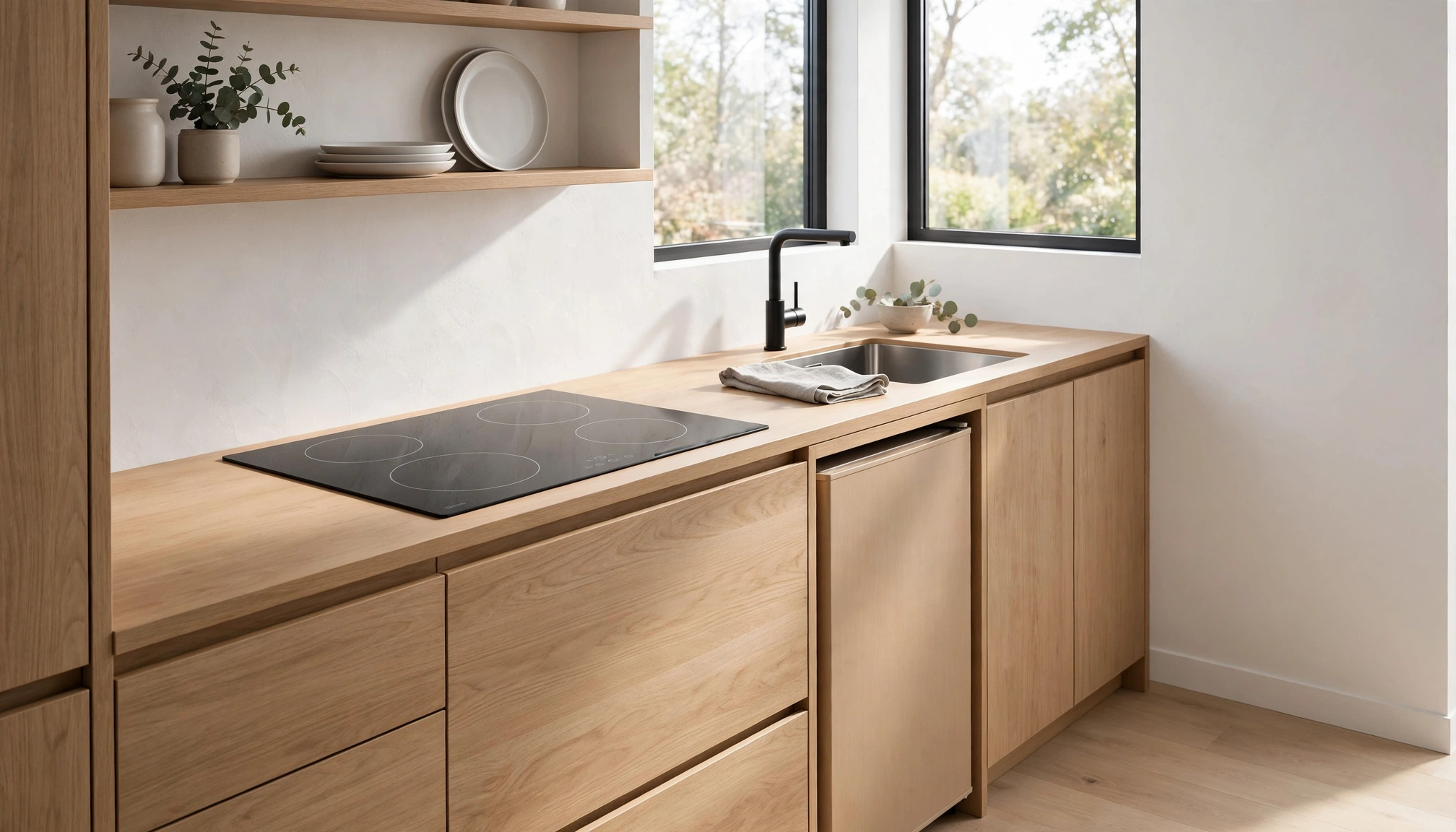
A sleek, modern small kitchen with a compact smart induction cooktop and a built-in smart compact refrigerator. The kitchen has natural light and minimalist design elements.
Practical Steps Before You Buy
- Measure Everything: I can't stress this enough. Measure your counter space, cabinet depth, and outlet locations. Don't just eyeball it.
- Check Your Wi-Fi Signal: If your kitchen has a weak Wi-Fi signal, even the best smart appliance will be a dumb one. Consider a Wi-Fi extender if needed.
- Read User Reviews (Critically): Look for patterns in complaints, especially regarding connectivity, app functionality, and actual energy savings. Ignore overly enthusiastic or overly negative one-off reviews.
- Verify Certifications: Double-check Energy Star ratings on the official website, not just the product description.
- Understand the "Smart" Features: Ask yourself: "Will I actually use this feature regularly, or is it just a gimmick?" If the answer is no, you might be paying extra for something you don't need.
Final Verdict & Practical Takeaways
Choosing a sustainable smart appliance for a small kitchen in 2026 means being a discerning buyer. Don't fall for the "smart" label alone. Prioritize verifiable energy efficiency (Energy Star 7.0 is a must), compact design, and durable materials with recycled content. Look for genuine smart features like AI-driven energy optimization and demand-response capabilities, which offer real-world savings and benefits. Be wary of appliances that just add an app without tangible improvements. By focusing on these core principles, you'll equip your small kitchen with appliances that are truly smart for your lifestyle and the planet.
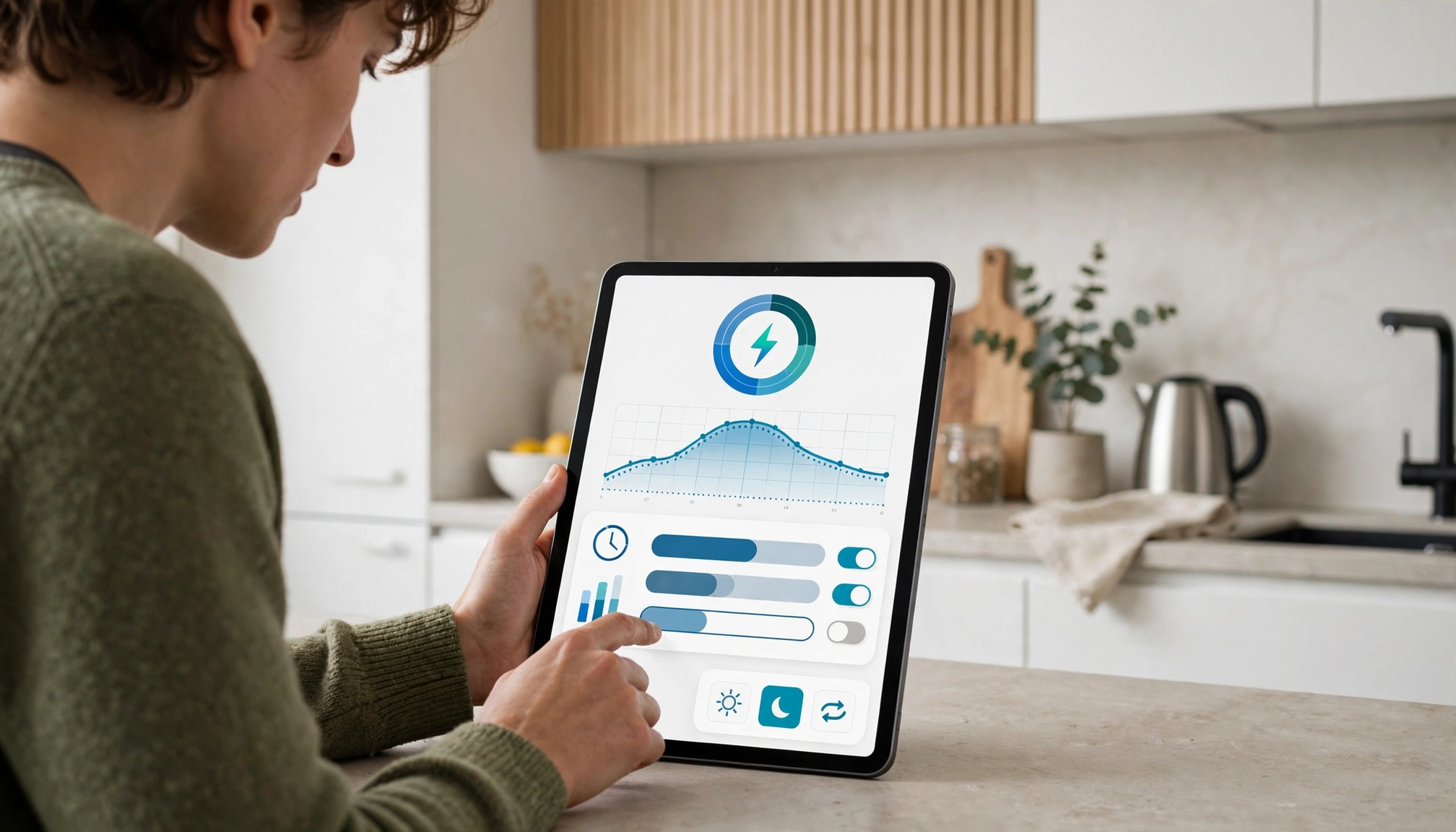
A person interacting with a smart appliance's app on a tablet, showing energy consumption data and scheduling options, with a small, modern kitchen in the background.