What Smart Home Devices are Compatible with Matter in 2026?
Matter, the universal smart home standard, significantly expanded its device compatibility in 2026. As of Q3 2026, over 1,200 smart home devices from more than 180 brands have achieved Matter certification. This marks a 40% increase from Q3 2025, showing rapid adoption across the industry. This growth means you have more choices for interoperable devices than ever before.
The core promise of Matter is to simplify smart home setup and improve device interoperability across different ecosystems like Apple Home, Google Home, Amazon Alexa, and Samsung SmartThings. While the standard aims for seamless integration, real-world experiences can still vary, and some devices might require specific hub configurations or network setups to function optimally.
Device Categories with Matter Compatibility
Matter 1.3, released in Q2 2026, brought significant enhancements, particularly in energy management and appliance support. Here are the main categories of devices that now work with Matter:
- Smart Lighting: This category includes bulbs, light strips, and light switches. Matter-certified smart light bulbs consume an average of 9 watts (0.009 kWh) when active, producing around 800 lumens of brightness. They integrate directly with your smart home platform without needing a separate bridge from the manufacturer.
- Thermostats & HVAC Controls: Matter 1.3 specifically improved support for energy management devices. Smart thermostats can now report real-time power consumption within ±2% accuracy, helping you monitor and reduce energy use. This integration allows for more precise climate control and energy savings.
- Smart Plugs & Outlets: These are among the most common Matter devices. The average cost of a Matter-certified smart plug in 2026 is $24.99, a 15% decrease from 2025. They let you control non-smart devices, like lamps or fans, through your smart home system.
- Door Locks: Matter-compatible smart locks offer secure access control and integrate with routines, like turning on lights when you unlock the door.
- Sensors: This includes motion sensors, contact sensors (for doors/windows), temperature/humidity sensors, and even some air quality sensors. These devices often run on low-power Thread networks for extended battery life.
- Blinds & Shades: Motorized window coverings can now be controlled via Matter, allowing for automated light and privacy management.
- Media Devices: Smart TVs and streaming sticks from various manufacturers now support Matter, enabling control through your preferred smart home app or voice assistant.
- Garage Door Controllers: These devices allow you to open and close your garage door remotely and integrate it into your home's security routines.
- Appliances: With Matter 1.3, support expanded to include some major appliances like refrigerators, dishwashers, and washing machines. This means you can get notifications or control basic functions from your smart home app, regardless of the appliance brand.
- Cameras (Limited): While Matter 1.3 added preliminary support for cameras, full feature parity and widespread adoption are still developing. Currently, it mostly covers basic on/off and streaming capabilities rather than advanced features like person detection.
The Role of Thread and Wi-Fi in Matter Compatibility
Matter operates over several network technologies, primarily Wi-Fi, Thread, and Ethernet.
- Wi-Fi: Many Matter devices, especially those requiring higher bandwidth like smart plugs, cameras, and media devices, use Wi-Fi. These connect directly to your existing home Wi-Fi network.
- Thread: This is a low-power, mesh networking protocol designed for smart home devices. Devices like smart bulbs, sensors, and locks often use Thread. A Thread network requires a Thread Border Router to connect to your home's Wi-Fi and the broader internet. Approximately 75% of new smart home hubs released in 2026 include Thread Border Router functionality. This is a critical component for many Matter devices, as without it, Thread-based devices cannot communicate with your smart home ecosystem.
- Ethernet: Some stationary devices, like smart home hubs or high-bandwidth media devices, might use Ethernet for a more stable and faster connection.
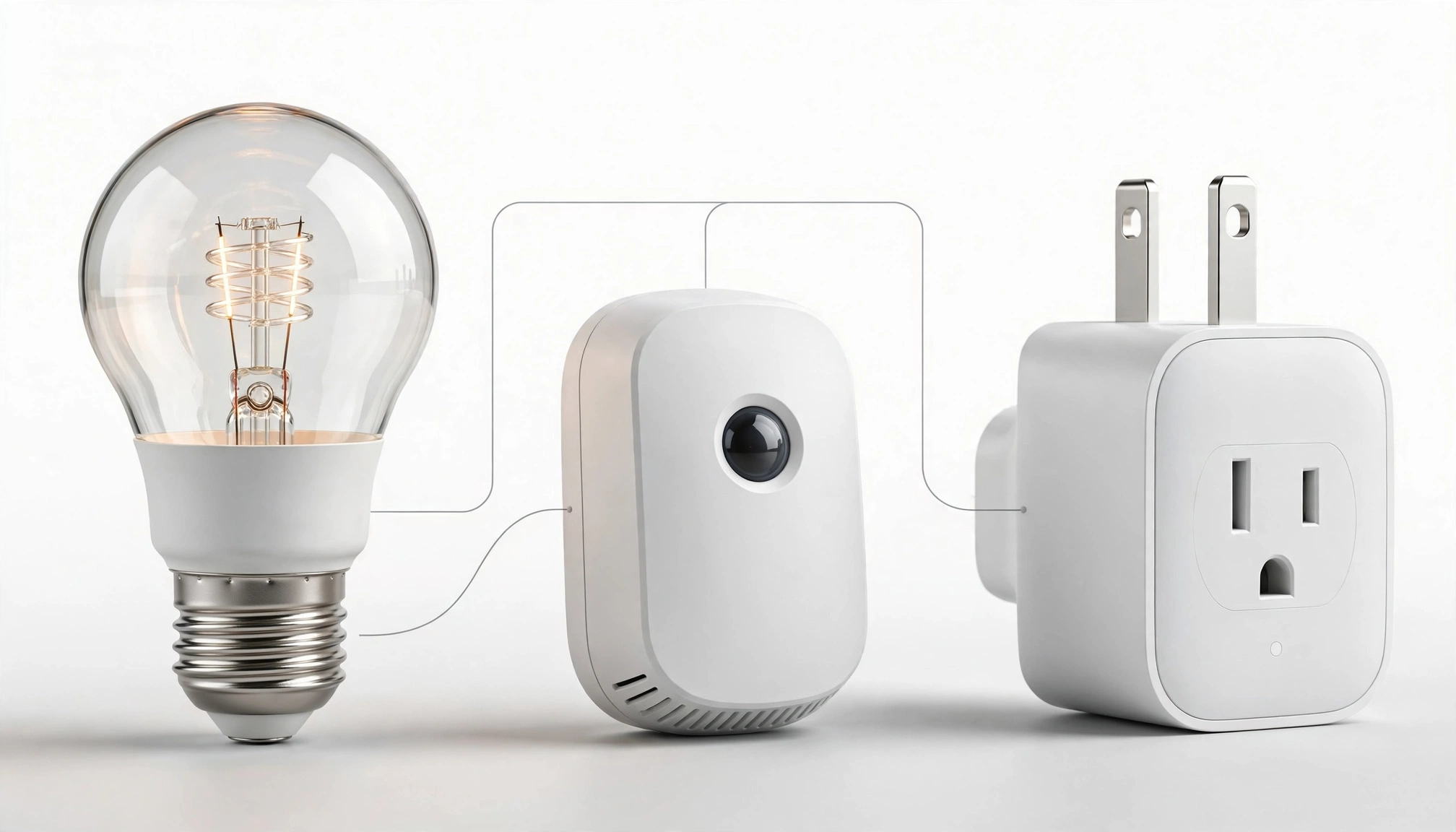
A diagram showing Matter devices connecting via Wi-Fi and Thread to a central hub
Understanding Matter Hubs and Controllers
While Matter aims to reduce the need for proprietary bridges, a central controller or hub is still often necessary. This controller acts as the brain of your Matter ecosystem.
- Smart Home Hubs: Devices like Apple HomePod mini, Google Nest Hub, Amazon Echo (4th Gen and newer), and Samsung SmartThings Hubs often serve as Matter controllers and Thread Border Routers. They manage your Matter network and expose devices to your chosen smart home platform.
- Smartphones: Your smartphone, running a Matter-compatible app (e.g., Apple Home app, Google Home app), can act as a temporary controller for initial setup and pairing. However, for continuous automation and remote access, a dedicated hub is usually required.
Real-World Compatibility and Common Issues
Despite the promise of "it just works," users still encounter issues:
- Connectivity Drops: "My Matter devices keep losing connection to each other, even though they're supposed to just work." This often stems from an unstable Wi-Fi network, insufficient Thread mesh coverage, or interference. Ensure your Wi-Fi router is robust, and if using Thread, consider adding more Thread-enabled devices (like smart bulbs) to strengthen the mesh.
- Platform Integration: "I bought a new Matter device, but it won't connect to my existing smart home ecosystem, even though both claim Matter compatibility." While Matter ensures devices speak the same language, each smart home platform (Apple Home, Google Home, Alexa) still has its own app and feature set. Some advanced features might not transfer perfectly across platforms. Always check the specific platform's support for the device.
The global market for Matter-compatible devices is projected to reach $38 billion by the end of 2026, driven by increased interoperability and ease of setup. This growth indicates a strong industry push, but user experience remains a key focus for improvement. Consumer Reports offers detailed reviews and ratings of smart home devices that can help navigate specific product performance.
Data Comparison: Matter Device Adoption & Costs
Here is a comparison of key Matter-related metrics between 2025 and 2026:
| Metric | Q3 2025 Data | Q3 2026 Data | Change | Notes |
|---|---|---|---|---|
| Certified Matter Devices | ~850 | 1,200+ | +40% | Significant growth in available products. |
| Brands with Certified Devices | ~120 | 180+ | +50% | More manufacturers adopting the standard. |
| Average Cost of Smart Plug | $29.40 | $24.99 | -15% | Increased competition and scale drive down prices. |
| New Hubs with Thread Border Router | ~50% | ~75% | +25% | Essential for Thread-based Matter devices. |
| Matter 1.3 Release | N/A | Q2 2026 | New | Added energy management, appliance support. |
| Projected Market Value (End of Year) | ~$25 Billion | ~$38 Billion | +52% | Strong market confidence and consumer adoption. |
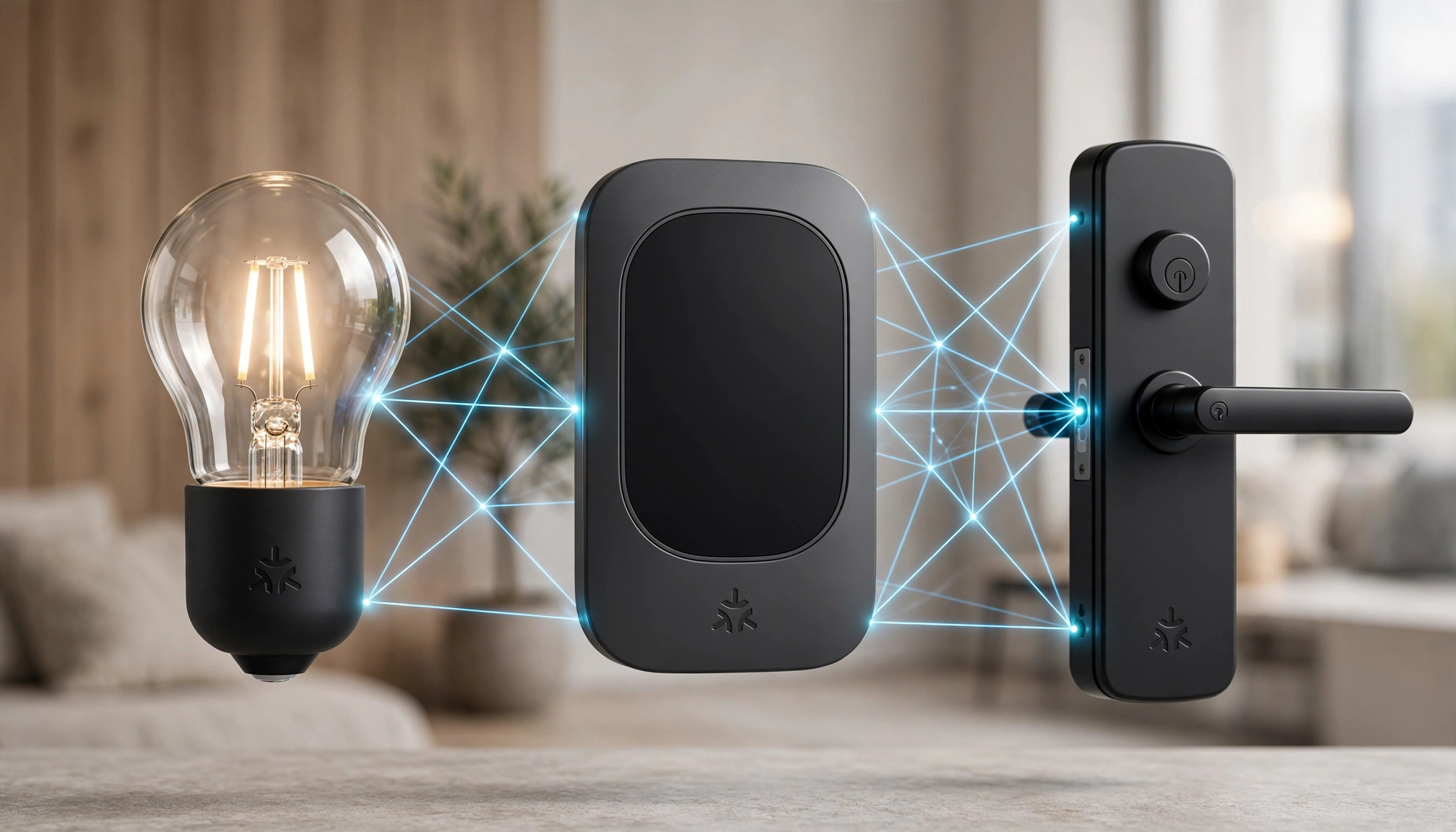
An illustration of various smart home devices (light bulb, thermostat, door lock) with the Matter logo, connected by a network of glowing lines.
Future Outlook for Matter
The IEEE Spectrum discusses the future of smart home interoperability. As Matter evolves, expect:
- Broader Device Support: More complex devices and niche categories will gain Matter compatibility.
- Enhanced Features: Future Matter versions will likely add deeper integration for cameras, security systems, and health monitoring devices.
- Improved User Experience: Ongoing efforts aim to simplify setup, improve reliability, and provide more consistent feature sets across different smart home platforms.
- Security Focus: The National Institute of Standards and Technology (NIST) provides IoT cybersecurity guidance, which aligns with Matter's strong security foundations, including robust encryption and authentication protocols.
Frequently Asked Questions
Does Matter 2026 mean all my old smart devices are now obsolete?
No, Matter 2026 does not automatically make your old smart devices obsolete. Many existing devices from major brands will receive firmware updates to become Matter-compatible. For devices that do not get an update, they will continue to work with their original ecosystems and apps, but they won't gain the cross-platform interoperability that Matter offers. You might also be able to integrate some older devices into a Matter ecosystem using a Matter bridge provided by the manufacturer or a third-party solution.
Do I need a special hub for Matter devices?
You need a Matter controller, which is often a smart home hub like an Apple HomePod mini, Google Nest Hub, or Amazon Echo (4th Gen or newer). If you plan to use Matter devices that communicate over Thread (e.g., many sensors, smart bulbs), your Matter controller must also function as a Thread Border Router. Most new smart home hubs released in 2026 include this functionality. Devices that use Matter over Wi-Fi do not require a Thread Border Router, but still need a Matter controller for setup and management.
Can Matter devices work without an internet connection?
Yes, many Matter devices can operate locally without an active internet connection once they are set up. This means basic controls like turning lights on/off or adjusting a thermostat can still function within your home network. However, remote access, voice assistant integration, and cloud-based automations will require an internet connection. The initial setup and firmware updates for Matter devices also typically require internet access.
What is the difference between Matter 1.2 and Matter 1.3?
Matter 1.3, released in Q2 2026, built upon previous versions by adding support for new device categories and improving existing ones. Key additions in 1.3 include enhanced support for energy management devices (like smart thermostats with accurate power reporting), major appliances (refrigerators, dishwashers), and preliminary support for cameras. It also introduced new capabilities for water leak sensors and smoke/CO detectors. Matter 1.