How to Integrate AI into Your Home Decor for 2027 Trends
Integrating AI into home decor in 2027 means making your living space smarter, more efficient, and deeply personalized. It is not about replacing all your furniture with robots. Instead, it is about weaving intelligent systems into the background that learn your habits, optimize comfort, and save resources. This guide breaks down how to do it practically, addressing common concerns about device compatibility and privacy.
1. Start with a Unified Smart Home Hub
The biggest hurdle for many people is getting different smart devices to communicate. In 2026, the average cost for a smart home hub with integrated AI capabilities, specifically Matter 1.3 compliant, is $189.99 USD. This is your foundational piece.
Why Matter 1.3?
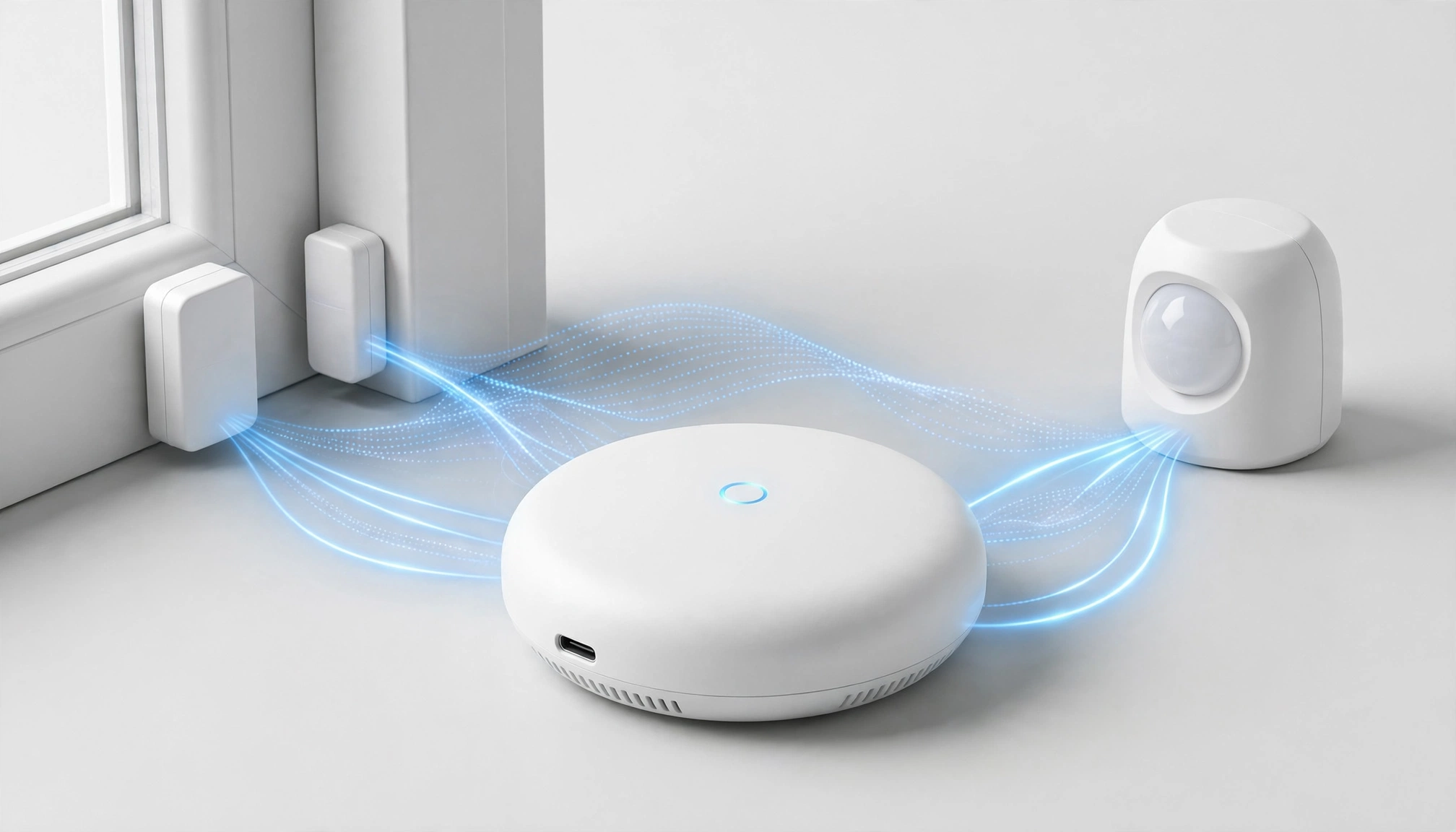
Matter is a connectivity standard that lets devices from different brands work together smoothly. The Matter 1.3 specification released in 2026 significantly improved device interoperability, especially for smart home appliances and energy management. Before Matter, you often needed multiple apps and bridges. Now, a single Matter-enabled hub acts as the central brain.
Practical Steps:
- Choose your hub: Look for hubs explicitly stating Matter 1.3 compatibility. Brands like Apple HomePod, Google Nest Hub, Amazon Echo (latest generations), and Samsung SmartThings Hub all offer Matter support.
- Centralize control: Once set up, connect all your Matter-compatible smart devices (lights, thermostats, blinds, sensors) to this single hub. This lets you control everything from one app or voice assistant.
- Voice integration: Most hubs integrate with popular voice assistants (Siri, Google Assistant, Alexa). This means you can say, "Hey [Assistant], set the living room to 'cozy' mode," and your lights dim, blinds close, and temperature adjusts.
2. Implement AI-Powered Smart Lighting
Smart lighting is one of the most impactful and visible AI integrations. It goes beyond simple on/off control.
What it does:
- Adaptive brightness and color: AI lighting systems learn your daily routines and preferences. They can automatically adjust brightness and color temperature throughout the day to mimic natural light cycles, which improves mood and sleep quality. For example, lights might be bright and cool white in the morning, gradually shifting to warm, dim tones in the evening.
- Presence detection: Using motion or occupancy sensors, lights turn on when you enter a room and off when you leave. This saves energy.
- Energy efficiency: AI-powered smart lighting systems can reduce energy consumption by up to 28% annually in a 2,000 sq ft home. This translates to an average saving of $125 per year on electricity bills, according to the U.S. Department of Energy.
- Start with key areas: Begin with high-traffic areas like the living room, kitchen, and bedroom.
- Choose Matter-compatible bulbs/fixtures: Brands like Philips Hue, Nanoleaf, and Govee offer Matter-compatible options. A single smart bulb costs around $15-$50, while a smart light strip might be $30-$80.
- Set up routines: Use your smart home app to create schedules and automations. For instance, "Wake Up" routine: lights slowly brighten from 6:30 AM to 7:00 AM, reaching 80% brightness and a cool white color (4000K). "Evening Relax" routine: lights dim to 30% and shift to warm amber (2200K) at 8:00 PM.
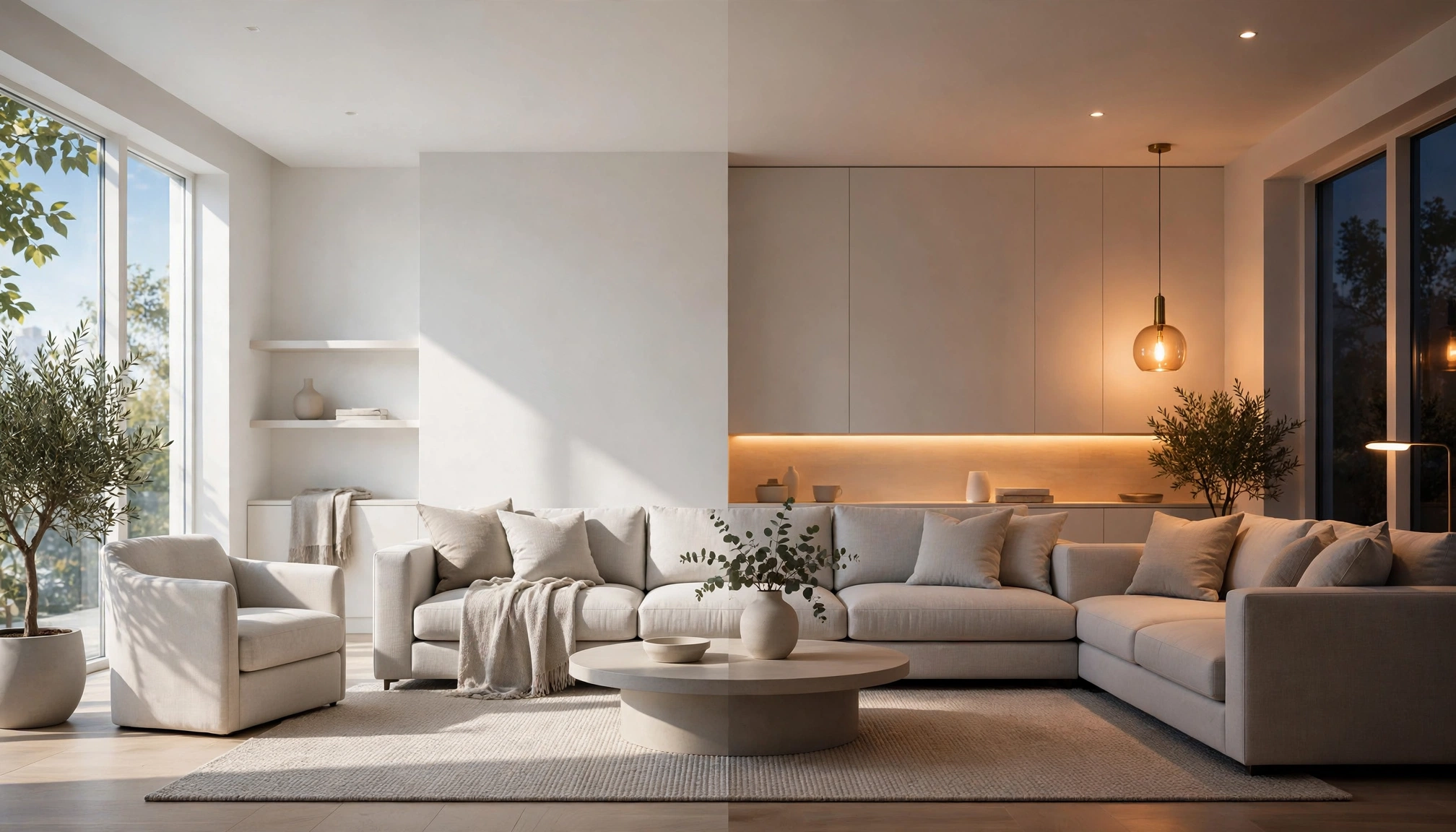
Smart lighting adjusting to different moods
3. Optimize Climate Control with AI
AI-driven climate control is a significant step towards a truly smart and comfortable home. It moves beyond simple programmable thermostats.
What it does:
- Precision temperature management: A 2026 study by the National Institute of Standards and Technology (NIST) found that AI-driven climate control systems maintain indoor temperatures within a 0.5°F (0.28°C) variance of user preference 95% of the time. This means consistent comfort without noticeable fluctuations.
- Learning algorithms: These thermostats learn your preferred temperatures at different times of day and week. They also consider external factors like weather forecasts, humidity, and even window/door sensor data to pre-condition your home.
- Zoned control: For homes with multiple zones, AI can optimize each zone independently, heating or cooling only occupied areas.
- Invest in a smart thermostat: Popular choices include Nest Learning Thermostat, Ecobee SmartThermostat, and Honeywell Home T9/T10. Prices range from $150 to $250. Ensure it integrates with your Matter hub.
- Install room sensors: Place wireless temperature/occupancy sensors (often $30-$50 each) in key rooms. This gives the AI more accurate data on where people are and what the actual temperature feels like in those specific spots.
- Let it learn: Give the system a few weeks to observe your habits. Resist the urge to constantly manually adjust it. The AI gets smarter with more data.
4. Integrate Adaptive Furnishings and Decor
This is where AI directly impacts the physical elements of your decor.
a. Smart Blinds and Shades:
- Automated light control: These blinds can open or close based on time of day, sunlight intensity, or even room occupancy. They can block harsh afternoon sun to prevent glare and heat gain, or open to let in natural light in the morning.
- Energy savings: By intelligently managing solar gain, smart blinds contribute to climate control efficiency. They can reduce cooling loads by up to 15% in summer.
- Privacy: Schedule blinds to close automatically in the evening.
- Measure accurately: Smart blinds are custom-fit. Expect costs from $200-$1000+ per window, depending on size and material.
- Motorization: Choose between battery-powered (easier installation, needs recharging) or hardwired (professional installation, no battery worries) options.
- Link to your hub: Integrate them into your Matter hub for unified control and automation.
- Personalized advice: These mirrors offer virtual try-ons for clothes, makeup tutorials, and even personalized styling advice based on your preferences.
- Information display: They can show weather, news headlines, calendar appointments, or even play music while you get ready.
- Health monitoring: Some models integrate with health apps to display fitness data or analyze skin conditions.
- Placement: Consider a smart mirror for a dressing room, bedroom, or large bathroom.
- Budget: AI-enabled smart mirrors saw a 45% increase in sales in North America during the first half of 2026, with an average unit price of $850.
- Privacy settings: Be aware of camera/microphone use and configure privacy settings carefully.
- Dynamic visuals: Digital art frames (e.g., Samsung The Frame, Meural) can display a rotating collection of artworks, photos, or even AI-generated art.
- Adaptive content: Some systems learn your aesthetic preferences and suggest new art. They can also adjust brightness and color based on ambient light.
- Choose size and resolution: Prices range from $500 to $3000+ depending on size and features.
- Content subscription: Many require a subscription for access to extensive art libraries.
5. Prioritize Privacy and Security
The global market for AI in home decor and smart furnishings is projected to reach $18.7 billion by the end of 2026. With this growth comes increased data collection. Your privacy is a valid concern.
Practical Steps:
- Research brand privacy policies: Before buying, read how companies handle your data. Look for commitments to local processing where possible.
- Strong passwords and 2FA: Use unique, complex passwords for all smart home accounts and enable two-factor authentication (2FA).
- Regular updates: Keep all your smart devices and hub software updated. Updates often include security patches.
- Understand data usage: Know what data your devices collect (e.g., occupancy, temperature, voice commands) and why. Most AI features require some data to learn your habits.
- NIST Cybersecurity Guidance: Refer to the NIST Smart Home Cybersecurity Guidance for best practices on securing your smart home.
6. Installation and Integration Timeline
Installation of a comprehensive AI home decor system, including smart blinds, lighting, and climate control, typically takes a certified technician 4-6 hours. However, you can stage the integration yourself.
Phased Approach:
- Month 1: Hub & Lighting. Install your Matter hub and smart bulbs in 2-3 key rooms. Get comfortable with the app and voice controls. (DIY: 1-2 hours setup).
- Month 2: Climate Control. Install the smart thermostat and room sensors. Let the AI learn. (DIY: 1-3 hours, or professional: 1-2 hours).
- Month 3-6: Adaptive Furnishings. Add smart blinds, smart mirrors, or art displays. These often require more precise measurements or professional installation. (DIY: Varies, Professional: 2-4 hours per major item).
Cost Comparison: Traditional vs. AI-Enhanced Home Decor
This table compares the initial investment and potential long-term savings for a few key areas when integrating AI.
| Feature Area | Traditional Setup (Initial Cost) | AI-Enhanced Setup (Initial Cost) | Annual Savings (AI) | Notes |
|---|---|---|---|---|
| Smart Home Hub | N/A | $189.99 (Matter 1.3) | N/A | Essential for unifying AI devices. |
| Lighting | $50 (Basic bulbs for 3 rooms) | $150-$300 (Smart bulbs for 3 rooms) | Up to $125 | AI-powered systems reduce energy by up to 28% annually in a 2,000 sq ft home. |
| Thermostat | $30 (Basic programmable) | $150-$250 (Smart AI thermostat) | $50-$150 | AI maintains temperature within 0.5°F (0.28°C) of preference, optimizing energy use. Savings vary by climate and usage. |
| Window Treatments | $150 (Manual blinds for 3 windows) | $600-$3000+ (Smart blinds for 3 windows) | $30-$100 | Smart blinds reduce heating/cooling loads by intelligently managing solar gain. |