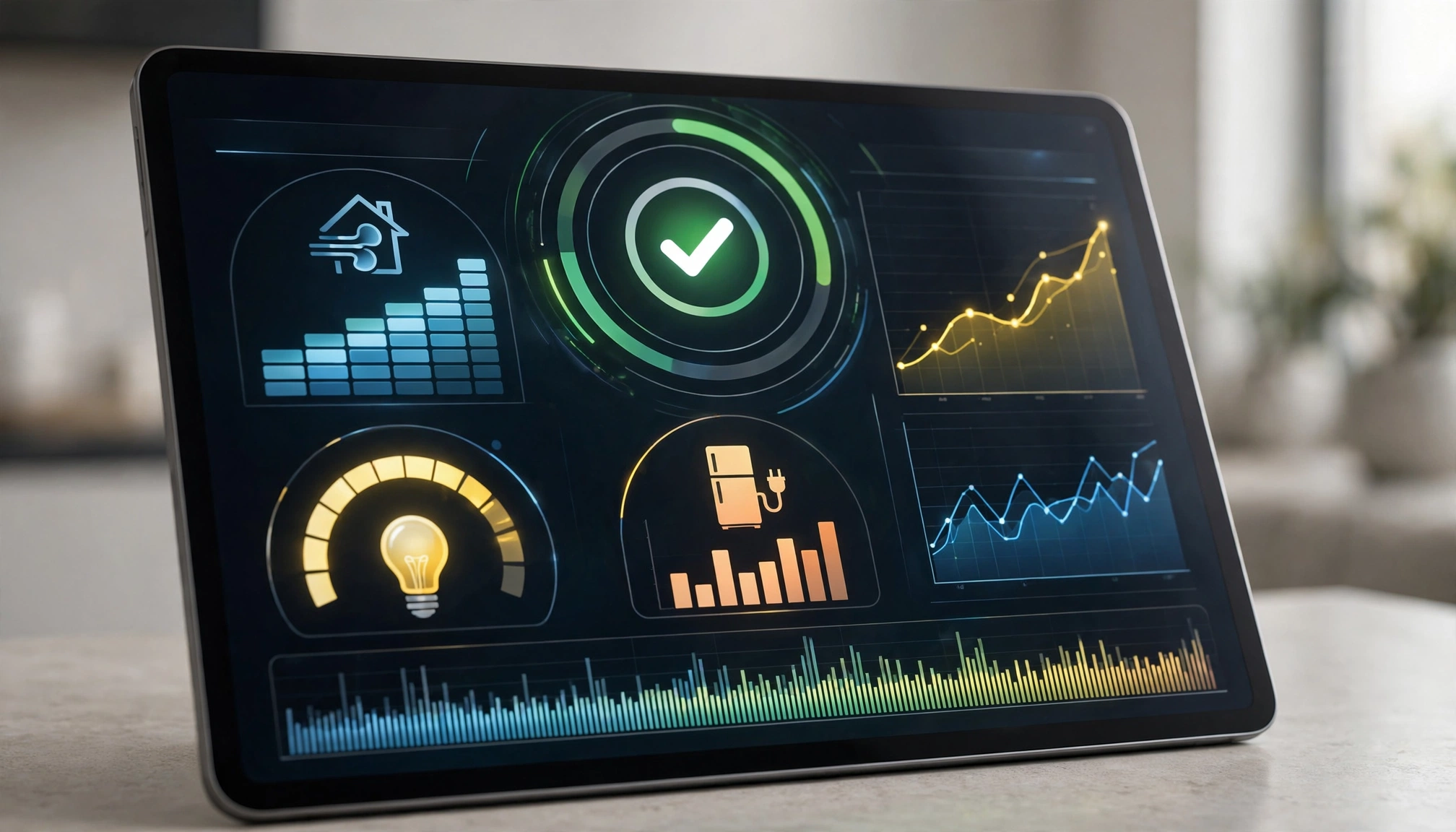
Best Smart Home Devices for Cold Weather 2026
Winter brings unique challenges for homeowners, from managing heating costs to protecting pipes and keeping pets warm. Smart home technology in 2026 offers practical solutions, but not all devices handle cold weather equally well. As a technical reviewer, I've seen many systems fail when temperatures drop. This guide focuses on devices that genuinely perform in sub-zero conditions, reduce your bills, and offer peace of mind.
Smart Thermostats with Zone Control
A smart thermostat is the cornerstone of a cold-weather smart home. The key in 2026 is not just basic scheduling, but advanced features like zone control and remote sensors. Many people find their smart thermostat turns off the heat when they are still cold in certain rooms. This usually happens because the thermostat only reads the temperature in one central location. Remote sensors fix this.
The Ecobee SmartThermostat Premium (2026 model) is a top contender. It comes with a SmartSensor that you can place in a colder room, averaging the temperature or prioritizing that specific room. This model can reduce heating costs by an average of 15-20%, which translates to an estimated annual savings of $100-$150 for the average US household with a gas furnace, according to the U.S. Department of Energy.
The 2026 Google Nest Thermostat, when paired with compatible sensors, maintains a room temperature within ±0.5°F (±0.3°C) of the set point, even in ambient temperatures as low as -4°F (-20°C). This precision is critical for comfort and energy efficiency.
Practical Takeaway: Look for thermostats that support multiple remote sensors or integrate with smart vents for true zone control. This ensures consistent warmth where you need it most, preventing cold spots and unnecessary heating in unoccupied areas. A professionally installed smart home heating system (thermostat, smart vents, and zone controls) in 2026 costs between $800 and $2,500, depending on home size and complexity. The investment often pays for itself within a few years through energy savings.

Smart Thermostat Interface
Smart Water Leak Detectors with Automatic Shutoff
Frozen pipes are a nightmare. They burst, cause massive water damage, and cost thousands to repair. A common user problem is worrying about pipes freezing without wanting to leave the heat blasting all day. Smart water leak detectors with automatic shutoff offer a robust solution.
The Moen Flo Smart Water Monitor and Shutoff (2026 edition) is a standout device. It installs on your main water line and monitors water flow, pressure, and temperature. It detects leaks as small as 0.5 gallons (1.9 liters) per hour and, critically, automatically shuts off the main water supply within 60 seconds of detecting a significant leak or a potential freeze risk. This prevents catastrophic damage.
Other systems, like the Phyn Plus, offer similar capabilities. These devices learn your home's water usage patterns and alert you to unusual activity, such as continuous flow that might indicate a burst pipe or a running toilet.
Practical Takeaway: Install a smart water leak detector on your main water line, especially if you travel frequently or live in an area prone to deep freezes. The cost of one of these devices (typically $400-$700 for the main unit, plus installation) is a small fraction of what a burst pipe repair and water damage remediation costs, which often run into five figures. Place additional smaller, battery-powered leak sensors in vulnerable areas like under sinks, near water heaters, and in basements.
Heated Smart Pet Beds
Our furry friends feel the cold too. A heated smart pet bed provides a safe, comfortable spot for pets during winter. These are not just basic heating pads; smart versions offer features like temperature control and timers.
The K&H Pet Products Thermo-Kitty Mat (2026) is a popular choice. These beds typically operate at a safe, low wattage (e.g., 6-20 watts) and maintain a surface temperature approximately 10-15°F (5.5-8.3°C) above ambient room temperature. This provides gentle warmth without overheating. Some smart models connect to an app, allowing you to set schedules or adjust the temperature remotely.
Practical Takeaway: Choose a pet bed with low wattage and safety certifications. Ensure the cover is removable and washable. While not a critical home infrastructure device, it significantly improves your pet's comfort during cold months for about $50-$100.
Outdoor-Rated Smart Lighting
Many people find their smart outdoor lights stop working when it gets really cold, or the app becomes unresponsive. This is often because indoor-rated devices are used outdoors, or the outdoor-rated ones aren't built for extreme cold.
For 2026, look for smart outdoor lighting systems specifically designed for harsh weather. Philips Hue Outdoor (2026 line) is a reliable option. These lights are rated for operation in temperatures ranging from -4°F to 104°F (-20°C to 40°C) and carry an IP67 weather resistance rating. This means they are dust-tight and can withstand immersion in water up to 1 meter for 30 minutes.
Practical Takeaway: Always check the IP rating and operating temperature range before buying outdoor smart lights. IP65 or higher is generally good for outdoor exposure, but for extreme cold, aim for devices explicitly stating low-temperature tolerance. Expect to pay $50-$200 per fixture for quality outdoor smart lighting.
Smart Security Cameras (Outdoor)
Similar to outdoor lighting, smart security cameras need to withstand the elements. Cold weather can drain batteries faster, fog lenses, or cause internal components to fail.
Brands like Arlo, Ring, and Eufy offer outdoor cameras with good cold weather performance. The Arlo Ultra 2, for example, operates down to -4°F (-20°C) and has a robust build. Many wired cameras perform better in extreme cold than battery-powered ones because battery efficiency drops significantly in low temperatures. If you must use battery cameras, consider models with larger batteries or solar panel attachments.
Practical Takeaway: Prioritize wired outdoor cameras for consistent performance in cold climates. If going wireless, check the specified operating temperature range and battery life in cold conditions. A good outdoor smart camera costs $150-$300.
Smart Plugs and Outlets
While not specifically "cold weather" devices, smart plugs and outlets become incredibly useful in winter. You can use them to control space heaters, electric blankets, or even holiday lights remotely or on a schedule.
For instance, you can set a smart plug connected to a space heater in a guest room to turn on an hour before guests arrive. Or, schedule an electric blanket to pre-heat your bed 30 minutes before you typically go to sleep.
Practical Takeaway: Use smart plugs for non-critical heating devices. Always ensure the smart plug's wattage rating matches or exceeds the device it controls. A pack of two smart plugs costs about $20-$40.

Smart Home Devices for Winter
Data Comparison: Smart Thermostats
| Feature / Model | Ecobee SmartThermostat Premium (2026) | Google Nest Thermostat (2026) | Standard Programmable Thermostat |
|---|---|---|---|
| Remote Sensors | Yes (1 included, supports more) | Yes (sold separately) | No |
| Temperature Accuracy | ±0.5°F (±0.3°C) | ±0.5°F (±0.3°C) | ±1-2°F (±0.6-1.1°C) |
| Operating Temp (Min) | -4°F (-20°C) | -4°F (-20°C) | 32°F (0°C) |
| Energy Savings | 15-20% (heating) | 10-12% (heating) | 5-10% (basic scheduling) |
| Annual Savings (Est.) | $100-$150 | $80-$120 | $40-$80 |
| Cost (Device Only) | ~$250 | ~$130 | ~$30 |
| Zone Control Potential | High (with smart vents/sensors) | Medium (with sensors) | Low |
Note: Energy savings and annual savings are estimates for average US households with gas furnaces, based on IEEE research on smart home energy efficiency.
Common Misconceptions About Smart Devices and Cold Weather
The biggest misconception is that all smart home devices are inherently cold-weather resistant. Many common indoor devices are not rated for extreme low temperatures and can fail or be damaged if exposed to freezing conditions. For example, an indoor smart plug left in an unheated garage during a cold snap might stop working or even short circuit. Always check the manufacturer's specifications for operating temperature ranges, especially for devices you plan to use in unheated spaces or outdoors.
Another misconception is that smart devices are "set it and forget it" for winter. While they automate many tasks, occasional monitoring is still wise. Check app connectivity, battery levels for wireless devices, and sensor readings periodically.
Final Verdict & Practical Takeaways
For cold weather in 2026, focus your smart home investments on devices that directly address winter-specific problems:
- Smart Thermostats with Zone Control: Prioritize systems with remote sensors and the ability to manage multiple heating zones. This maximizes comfort and energy savings. The Ecobee SmartThermostat Premium is a strong choice.
- Smart Water Leak Detectors with Automatic Shutoff: This is a crucial preventative measure against catastrophic frozen pipe bursts. Devices like the Moen Flo are worth every penny.
- Outdoor-Rated Devices: For anything outside, from lights to cameras, verify the IP rating (IP65 or higher) and the specified operating temperature range. Don't assume an "outdoor" label means it handles extreme cold.
- Heated Pet Beds: A simple, effective way to keep pets comfortable.
Frequently Asked Questions
Q1: Can smart thermostats really save me money in winter?
Yes, smart thermostats can significantly reduce heating costs. The 2026 Ecobee SmartThermostat Premium, for example, can cut heating expenses by 15-20% for an average household. They do this by learning your schedule, optimizing heating cycles, and allowing you to control temperatures remotely or through zone sensors, preventing unnecessary heating in empty rooms or when you're away.
Q2: What's the most important smart device for preventing winter damage?
A smart water leak detector with automatic shutoff is the most important device for preventing winter damage. Devices like the Moen Flo monitor your home's water system for leaks and potential freeze conditions. If a problem is detected, it can automatically shut off your main water supply, preventing a burst pipe from causing thousands of dollars in water damage. This is especially critical if you travel during winter.
Q3: Do smart outdoor lights and cameras work in very cold temperatures?
Many smart outdoor lights and cameras are rated for cold temperatures, but you must check the specifications. For example, Philips Hue Outdoor lights operate down to -4°F (-20°C) with an IP