What are the Best Sustainable Fashion Brands for Women?
Understanding True Sustainable Fashion
When we talk about sustainable fashion, it's more than just using organic cotton. True sustainability covers the entire lifecycle of a garment: from how raw materials are sourced, to manufacturing processes, labor conditions, product longevity, and end-of-life solutions. This means looking for brands that focus on reducing water and energy consumption, minimizing waste.
The global sustainable fashion market is projected to reach $15.2 billion by the end of 2026, growing at a compound annual growth rate (CAGR) of 12.8% since 2021, showing a clear shift in consumer demand and industry focus. A 2026 consumer survey indicates that 68% of women aged 25-45 are willing to pay up to 20% more for clothing from brands with verifiable sustainable practices, reflecting this growing awareness and commitment.
Key Pillars of Sustainable Fashion
To identify genuinely sustainable brands, look for these core practices:
- Ethical Labor Practices: This includes fair wages, safe working conditions, and no child labor. Brands should have clear codes of conduct for their factories and conduct regular audits. Organizations like the Fair Wear Foundation certify brands on these standards.
- Eco-Friendly Materials:
- Organic Cotton: Uses 91% less water than conventional cotton, saving approximately 2,000 gallons of water per kilogram of fiber. It also avoids harmful pesticides.
- Recycled Materials: Recycled polyester (rPET) production requires 59% less energy than virgin polyester, equating to a reduction of 5.4 kWh per kilogram of fabric. Recycled wool, nylon, and cashmere also reduce demand for new resources.
- Innovative Materials: Tencel Lyocell (made from wood pulp in a closed-loop system), Piñatex (pineapple leaf fiber), and various bio-based leathers offer lower environmental footprints.
- Linen & Hemp: These are naturally durable, require less water, and grow without heavy pesticides.
- Water & Energy Conservation: Brands should implement technologies that reduce water usage in dyeing and finishing, and use renewable energy sources in their operations.
- Waste Reduction & Circularity: This involves designing clothes for durability, offering repair services, take-back programs for recycling, and minimizing textile waste in production. The average lifespan of a fast fashion garment is 2.2 years, compared to 5.5 years for a sustainably produced, high-quality garment, reducing landfill waste by over 50%. The Ellen MacArthur Foundation champions circular fashion principles.
- Transparency: Brands should openly share information about their supply chains, material sourcing, and environmental impact. The Fashion Revolution Transparency Index evaluates brands on this.
Top Sustainable Fashion Brands for Women (2026)
Here are some of the leading brands that consistently meet high sustainability standards, offering a range of styles and price points.
1. Patagonia
Focus: Outdoor apparel, extreme durability, repairability, activism.
Why it's sustainable: Patagonia is a pioneer in sustainable practices. They use a high percentage of recycled materials, including recycled polyester and nylon. They offer a robust repair program (Worn Wear), encouraging customers to extend the life of their garments, and will recycle items that are beyond repair. They are a certified B Corp and donate 1% of sales to environmental causes. Their supply chain is transparent, and they advocate for fair labor practices.
Price Range: Mid-high ($70 for a t-shirt, $200-$500 for jackets).
Aesthetic: Functional, outdoorsy, casual.
Example: A women's Nano Puff jacket, made with 100% recycled polyester insulation and shell, costs around $229. It lasts for years and can be repaired for free.
2. Eileen Fisher
Focus: Timeless design, high-quality natural fibers, circularity.
Why it's sustainable: Eileen Fisher emphasizes timeless designs to combat fast fashion trends. They use organic cotton, linen, and Tencel Lyocell extensively. Their "Renew" program takes back worn Eileen Fisher garments, cleans them, and resells them, or recycles them into new products. They are committed to fair labor and environmental stewardship, aiming for 100% sustainable materials by 2025.
Price Range: High ($100 for a top, $200-$500 for dresses/trousers).
Aesthetic: Minimalist, sophisticated, comfortable, classic.
Example: An organic cotton jersey dress costs about $198. The brand guarantees its quality and supports its Renew program, allowing customers to return items for store credit.
3. Reformation
Focus: Trendy, feminine styles, carbon-neutral operations, water conservation.
Why it's sustainable: Reformation is known for its stylish dresses and separates made from low-impact materials like Tencel Lyocell, recycled fabrics, and organic cotton. They track their environmental impact (water, waste, carbon) for every garment and share it with customers. They invest in green building infrastructure and renewable energy. They are 100% carbon neutral.
Price Range: Mid-high ($80 for a top, $150-$300 for dresses).
Aesthetic: Feminine, vintage-inspired, contemporary, form-fitting.
Example: A popular linen midi dress costs around $248. The brand details its impact savings, for example, a specific dress might save 10 lbs of CO2 and 200 gallons of water compared to a conventional equivalent.
4. Stella McCartney
Focus: Luxury fashion, animal-free materials, innovative textiles.
Why it's sustainable: A pioneer in luxury sustainable fashion, Stella McCartney has never used leather, fur, or feathers. She consistently explores innovative, eco-friendly materials like vegetarian leather (made from plant-based coatings and recycled polyester), organic cotton, and recycled nylon. The brand is committed to circularity and transparency, working to reduce its environmental footprint across its supply chain.
Price Range: Luxury (hundreds to thousands of dollars).
Aesthetic: Modern, chic, avant-garde, high-fashion.
Example: A vegetarian leather handbag can cost upwards of $1,000, but it avoids the environmental and ethical issues associated with traditional leather production.
5. Girlfriend Collective
Focus: Activewear, recycled materials, inclusive sizing.
Why it's sustainable: Girlfriend Collective makes activewear from recycled plastic bottles (rPET), fishing nets, and other waste materials. Their leggings are made from 79% recycled plastic bottles, saving 25 bottles per pair. They operate with certified ethical manufacturing in Vietnam and are transparent about their supply chain. They also offer a recycling program for their old garments.
Price Range: Mid ($78 for leggings, $48 for a bra).
Aesthetic: Minimalist, athletic, comfortable, wide range of colors.
Example: A pair of high-rise leggings, made from about 25 recycled plastic bottles, costs $78. They are durable and come in sizes XXS-6XL.
6. Nudie Jeans
Focus: Organic denim, repair services, free repairs for life.
Why it's sustainable: Nudie Jeans uses 100% organic cotton for all its denim. They offer free repairs for life on all their jeans, a significant commitment to extending product lifespan and reducing waste. They also sell second-hand jeans and recycle worn-out pairs into new products. This brand is a leader in circular denim.
Price Range: Mid-high ($180-$220 for jeans).
Aesthetic: Classic denim, casual, rugged.
Example: A pair of organic cotton jeans costs around $185. The brand offers a guaranteed repair service for up to 5 years post-purchase, and often for life, significantly reducing the need for new purchases.
7. Tentree
Focus: Casual wear, planting trees for every item sold.
Why it's sustainable: Tentree uses sustainable materials like organic cotton, recycled polyester, Tencel, and hemp. For every item purchased, they plant ten trees, having planted over 90 million trees to date. They are a certified B Corp and are transparent about their manufacturing processes and environmental impact.
Price Range: Mid ($40 for a t-shirt, $80-$120 for hoodies).
Aesthetic: Outdoorsy, comfortable, casual.
Example: An organic cotton hoodie costs about $88, and its purchase directly contributes to planting ten trees, with verifiable impact.
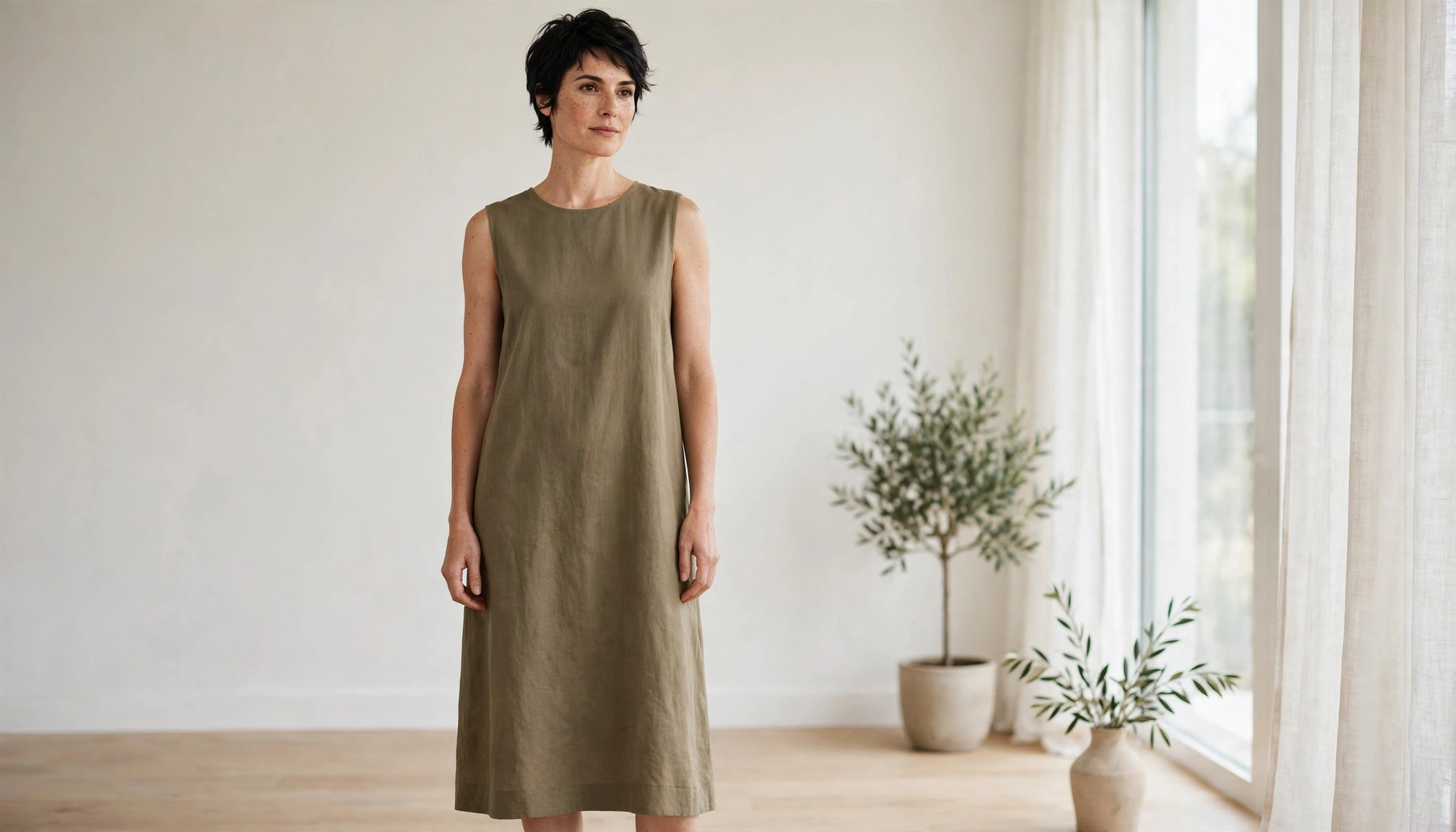
A woman wearing a stylish, minimalist dress made from organic cotton, demonstrating the aesthetic of sustainable fashion.
Data Comparison: Sustainable vs. Conventional Practices
| Feature | Sustainable Practices | Conventional Practices | Impact