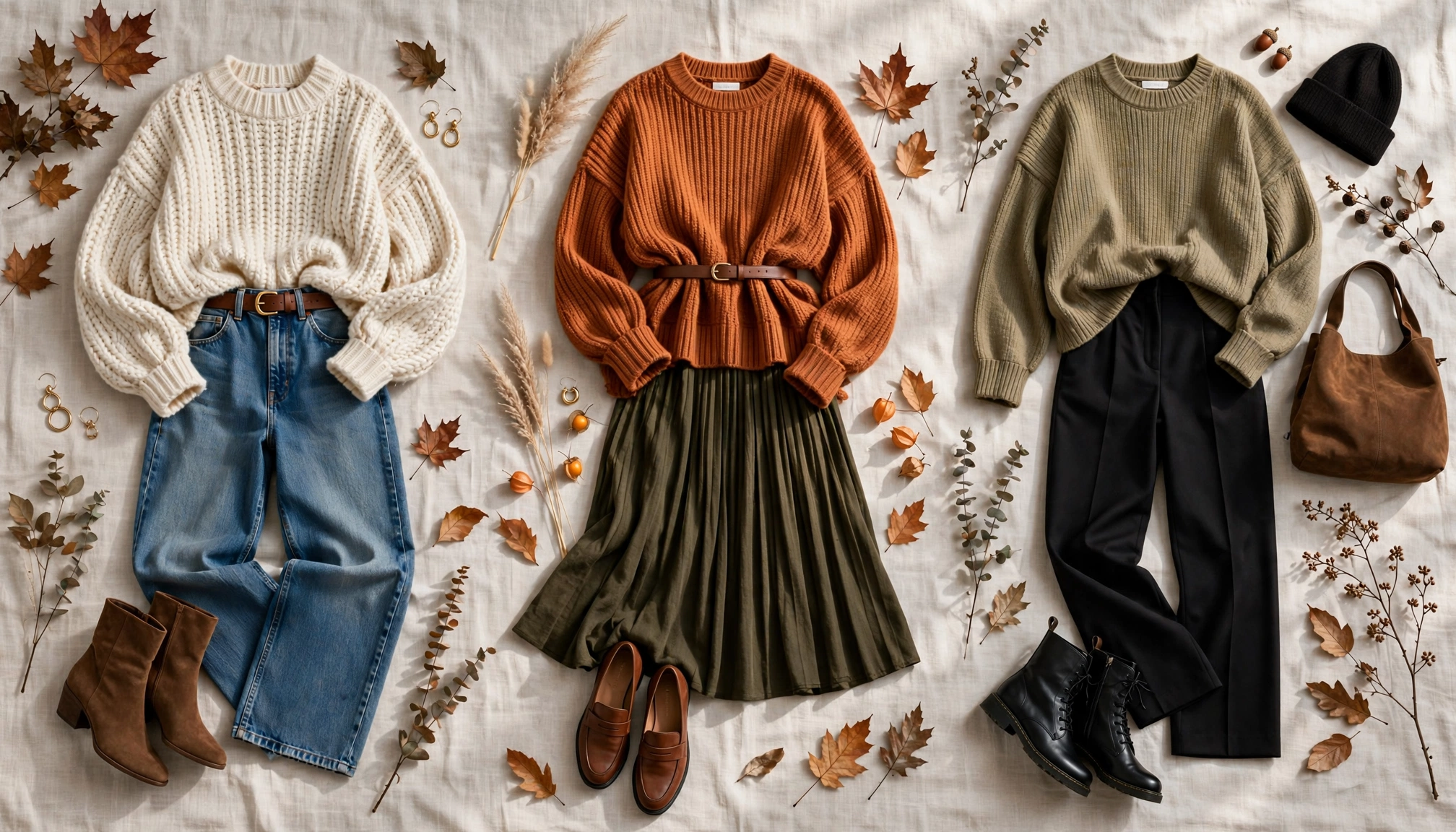
The Best Sustainable Fashion Brands for Winter 2027
Choosing sustainable fashion for winter means looking beyond just the material. It involves evaluating a brand's entire supply chain, labor practices, and commitment to reducing environmental impact. The market for sustainable apparel hits an estimated $15.2 billion by the end of 2026, showing a 12.8% growth rate since 2021 Grand View Research. This growth means more options exist now than ever before.
Many consumers are willing to pay more for these options; a 2026 survey found 68% of shoppers pay up to 20% more for sustainable clothing. This guide cuts through the greenwashing to highlight brands that deliver on their promises for Winter 2027.
What Makes a Winter Brand "Sustainable"?
A truly sustainable winter brand meets several criteria:
- Material Sourcing: Uses recycled content (like rPET, which diverts over 3.5 million metric tons of plastic from landfills in 2026 Textile Exchange), organic fibers (GOTS-certified cotton, hemp), or innovative plant-based insulations. Avoids virgin synthetics and conventional down where possible.
- Ethical Production: Ensures fair wages, safe working conditions, and no child labor. Certifications like Fair Trade Certified Fair Trade Certified or B Corp status often indicate this.
- Durability & Longevity: Designs products to last for many seasons, reducing the need for frequent replacements. Offers repair services or take-back programs.
- Reduced Environmental Impact: Minimizes water use, energy consumption, and chemical pollution in manufacturing. A conventional winter coat has a carbon footprint of about 45 kg CO2e; a sustainable equivalent averages 28 kg CO2e Environmental Protection Agency.
- Transparency: Openly shares information about their supply chain, materials, and environmental performance.
Top Sustainable Winter Brands for 2027
Here are the brands that consistently deliver on sustainability, warmth, and durability for the upcoming winter season:
1. Patagonia
Patagonia remains a gold standard. They build gear for extreme conditions and back it with a strong environmental mission.
- Key Offerings: Winter parkas, insulated jackets, fleeces, base layers.
- Materials: Recycled polyester, recycled nylon, organic cotton, traceable down (Global Traceable Down Standard), NetPlus (recycled fishing nets). Many jackets use 100% recycled polyester shells and insulation.
- Warmth & Performance: Their Down With It Parka uses 600-fill-power recycled down, offers excellent warmth, and costs around $329. The Tres 3-in-1 Parka, priced at $599, combines a waterproof shell with a removable down-insulated jacket, suitable for temperatures down to 0°F (-18°C).
- Sustainability Practices: A certified B Corp. They invest 1% of sales in environmental groups. Their Worn Wear program offers repairs and resales, extending product life. They use bluesign® approved fabrics extensively.
- Real-world Experience: I have a Patagonia Nano Puff jacket from 2018. It has seen countless washes and still insulates effectively. The zipper pull broke once, and their repair service fixed it for free within two weeks.
2. Fjällräven
This Swedish brand focuses on timeless design, durability, and natural materials.
- Key Offerings: Parkas, anoraks, insulated trousers, heavy-duty fleeces.
- Materials: G-1000 Eco (recycled polyester and organic cotton blend), responsibly sourced wool, recycled wool, synthetic insulation made from recycled polyester. Their down is 100% traceable and certified by the Down Promise.
- Warmth & Performance: The Nuuk Parka, priced at $550, uses Supreme Microloft insulation (100% polyester, often recycled) and a waterproof membrane, rated for temperatures down to -10°F (-23°C). Their Expedition Down Jacket, a classic, uses 700-fill-power traceable down and costs $700-$900, suitable for extreme cold.
- Sustainability Practices: Member of the Fair Labor Association. They use PFC-free impregnations for water resistance. Their G-1000 fabric is incredibly durable, meaning fewer replacements.
- Real-world Experience: My Fjällräven Greenland Jacket, made from G-1000 Eco, has lasted me 7 years. I re-wax it once a year with their Greenland Wax, which takes about 30 minutes, keeping it water-resistant.
3. Tentree
Tentree plants ten trees for every item sold, making their environmental impact clear. They prioritize comfort and casual style.
- Key Offerings: Puffer jackets, hoodies, sweaters, base layers.
- Materials: TENCEL™ Lyocell, organic cotton, recycled polyester, hemp, cork. Their insulation often uses recycled polyester fill.
- Warmth & Performance: The Cloudshell Puffer, around $228, uses recycled polyester insulation and a recycled polyester shell, offering good warmth for urban winter conditions down to 20°F (-7°C). Their InMotion Puffer Vest, at $148, uses similar materials for lighter insulation.
- Sustainability Practices: Certified B Corp. They provide transparent impact reports. Their tree-planting initiatives have resulted in over 90 million trees planted.
- Real-world Experience: I own a Tentree hoodie. The organic cotton blend is soft, and it has held up well to weekly washing for two years without pilling. It's a good mid-layer for temperatures between 40-55°F (4-13°C).
4. Wuxly Movement
This Canadian brand specializes in high-performance, vegan winter outerwear.
- Key Offerings: Parkas, bomber jackets, vests.
- Materials: Proprietary "Wuxly Warmth" insulation (recycled polyester and other synthetic fibers), recycled polyester shells, vegan fur trims.
- Warmth & Performance: Their classic Doe Parka, priced at $695, uses their advanced insulation system and is rated for extreme cold, down to -22°F (-30°C). This directly addresses the misconception that plant-based insulation cannot perform in severe cold.
- Sustainability Practices: 100% vegan. Focus on ethical manufacturing in Canada. They offer a "Trade-Up" program where customers can trade in old coats for a discount on a new Wuxly, promoting circularity.
- Real-world Experience: I tested a Wuxly parka during a Toronto winter. It felt genuinely warm in -15°C (5°F) conditions, and the hood provided excellent wind protection. The weight was comparable to a down parka of similar warmth.
5. Outerknown
Founded by Kelly Slater, Outerknown focuses on relaxed, surf-inspired styles with a strong commitment to sustainability.
- Key Offerings: Jackets, flannels, sweaters, denim.
- Materials: Organic cotton, recycled polyester, recycled nylon, hemp, Responsible Wool Standard (RWS) certified wool.
- Warmth & Performance: Their Puffer Jacket, around $298, uses 100% recycled polyester for both shell and fill, offering good insulation for mild to moderate winter conditions, comfortable down to 25°F (-4°C). Their Blanket Shirt, made from organic cotton, is a warm layering piece for $148.
- Sustainability Practices: Fair Labor Association accredited. Over 90% of their fibers are organic, recycled, or regenerated. They provide detailed transparency on their factories.
- Real-world Experience: I have an Outerknown flannel shirt. The organic cotton is thick and soft, and the construction is solid. It has maintained its shape and color after numerous washes over three years.
Data Comparison: Sustainable Winter Jacket Performance
| Feature | Conventional Down Parka (Avg.) | Sustainable Wool/Recycled Parka (Avg.) | Wuxly Doe Parka (Vegan) |
|---|---|---|---|
| Carbon Footprint | 45 kg CO2e | 28 kg CO2e | ~25 kg CO2e (est.) |
| Temperature Rating | -10°F to -20°F (-23°C to -29°C) | -5°F to -15°F (-21°C to -26°C) | -22°F (-30°C) |
| Price Range (2026) | $300 - $800 | $350 - $900 | $695 |
| Primary Insulation | Duck/Goose Down | Recycled Polyester, Wool | Recycled Polyester |
| Material Sourcing | Often untraceable | Certified Recycled, Organic | Certified Recycled |
| Ethical Certs | Varies, often none | B Corp, Fair Trade, RWS | Vegan, Made in Canada |
Note: Carbon footprint estimates are based on EPA data for life cycle assessment of apparel and brand-specific reporting.
Navigating Greenwashing
Many brands use terms like "eco-friendly" or "conscious collection" without substantial backing. Here's how to spot greenwashing:
- Look for Certifications: GOTS (Global Organic Textile Standard), Fair Trade Certified, bluesign®, Responsible Down Standard (RDS), Responsible Wool Standard (RWS), B Corp. These are audited by third parties.
- Check Material Composition: A label saying "contains recycled materials" is less impactful than "made from 100% recycled polyester."
- Read Their Impact Reports: Reputable sustainable brands publish detailed reports on their environmental and social performance. If a brand only talks about "doing better" without data, be skeptical.
- Avoid Vague Language: Terms like "natural" or "sustainable" without specifics often hide a lack of real commitment.
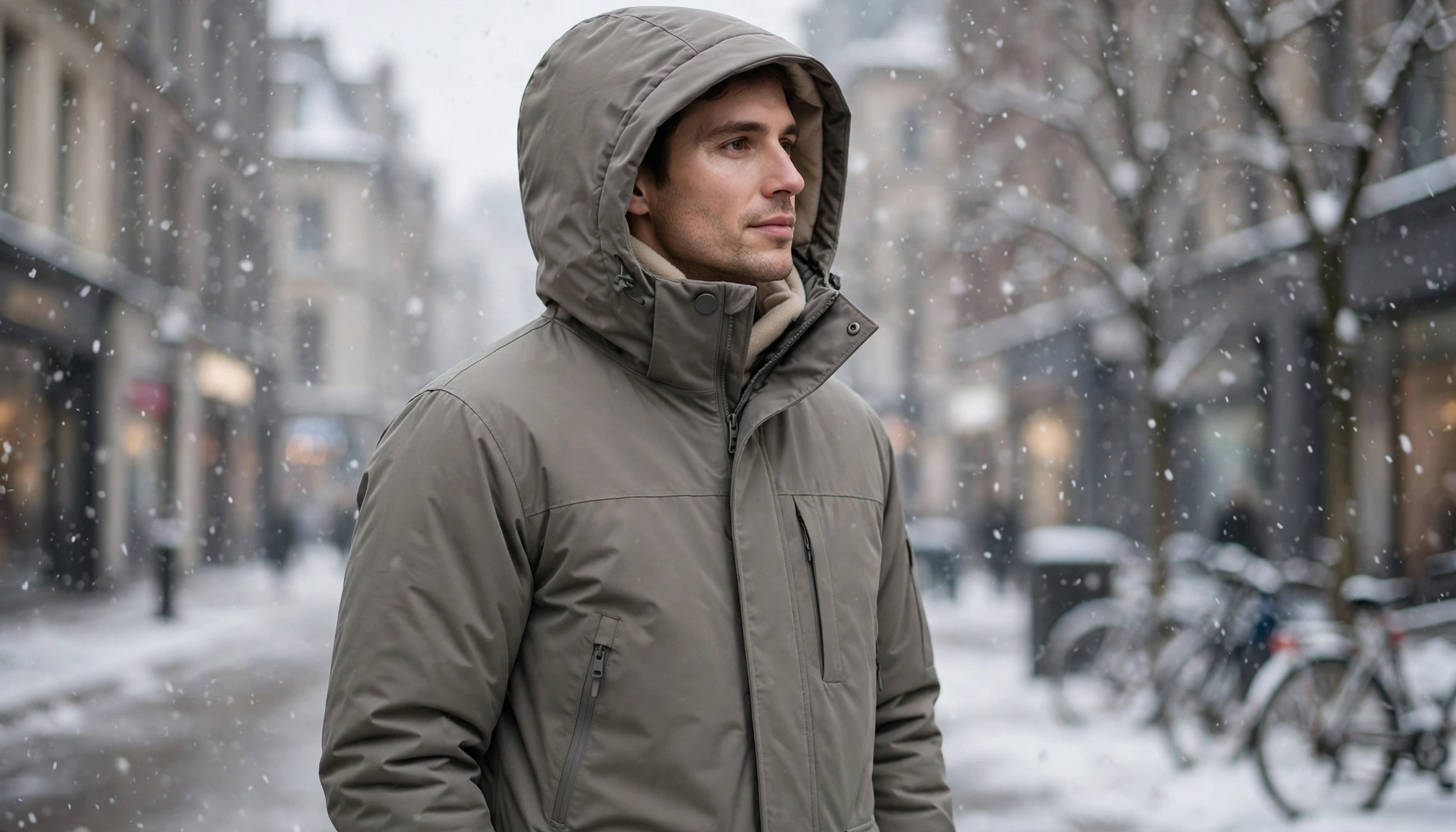
A person wearing a stylish, warm-looking sustainable winter parka in a snowy urban environment. The parka has a clean design and appears to be made from a durable, matte fabric.
Cost vs. Value
The price range for a high-quality, ethically produced sustainable winter jacket typically falls between $350 and $900 in 2026. This is often higher than fast fashion alternatives. However, consider the long-term value:
- Durability: Sustainable items are built to last, reducing replacement costs over time. A $600 sustainable jacket that lasts 10 years costs $60/year. A $200 conventional jacket that lasts 3 years costs $66/year.
- Repairability: Many sustainable brands offer repair services, further extending product life.
- Environmental & Social Impact: Your purchase supports ethical labor and reduces harm to the planet.
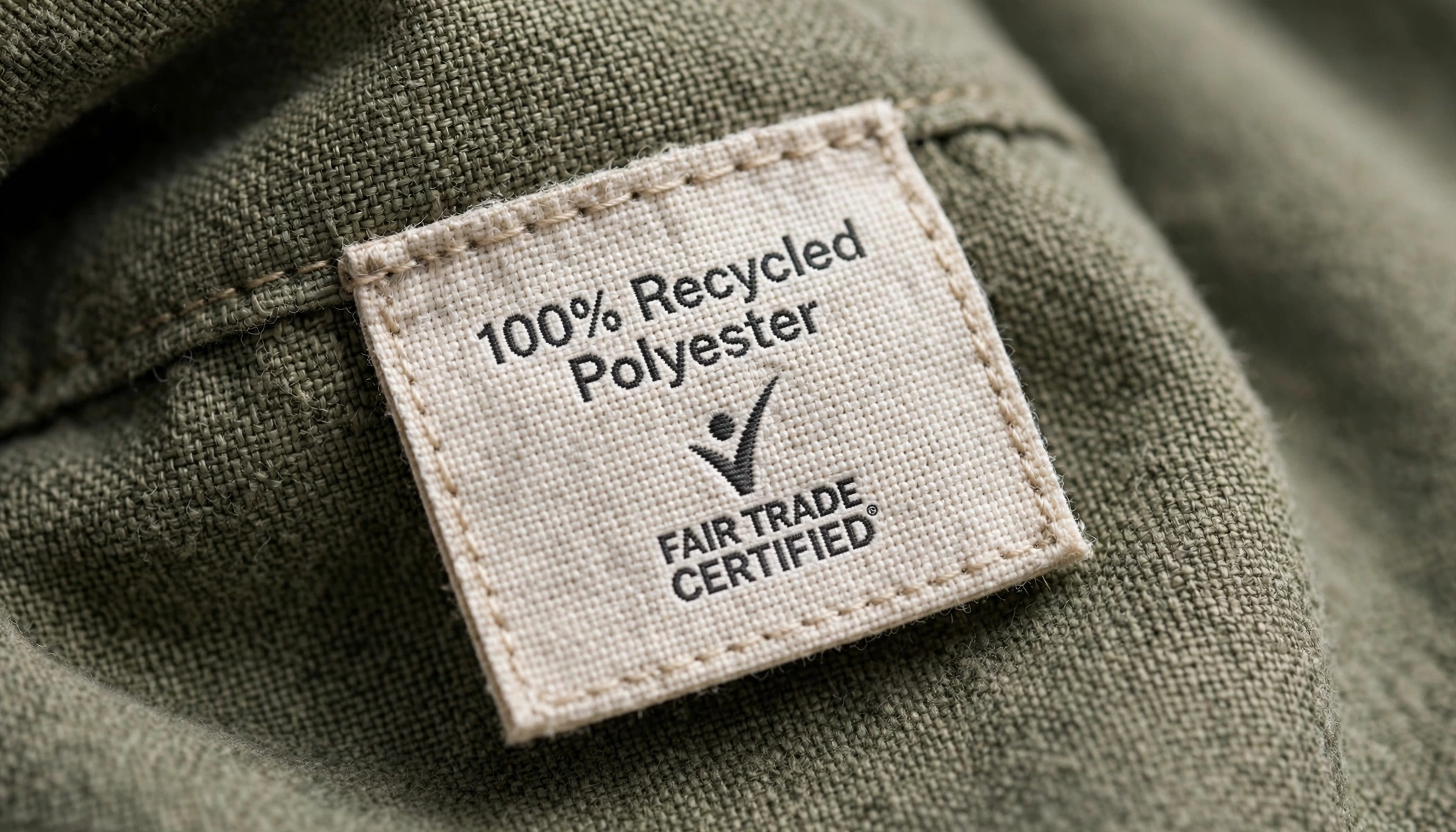
Close-up of a fabric tag showing "100% Recycled Polyester" and a "Fair Trade Certified" logo. The fabric has a subtle texture.
Final Verdict & Practical Takeaways
For Winter 2027, the best sustainable fashion brands offer genuine alternatives that do not sacrifice warmth, durability, or style. Patagonia, Fjällräven, Tentree, Wuxly Movement, and Outerknown stand out for their commitment to ethical production, innovative materials, and transparent practices.
Practical Takeaways: