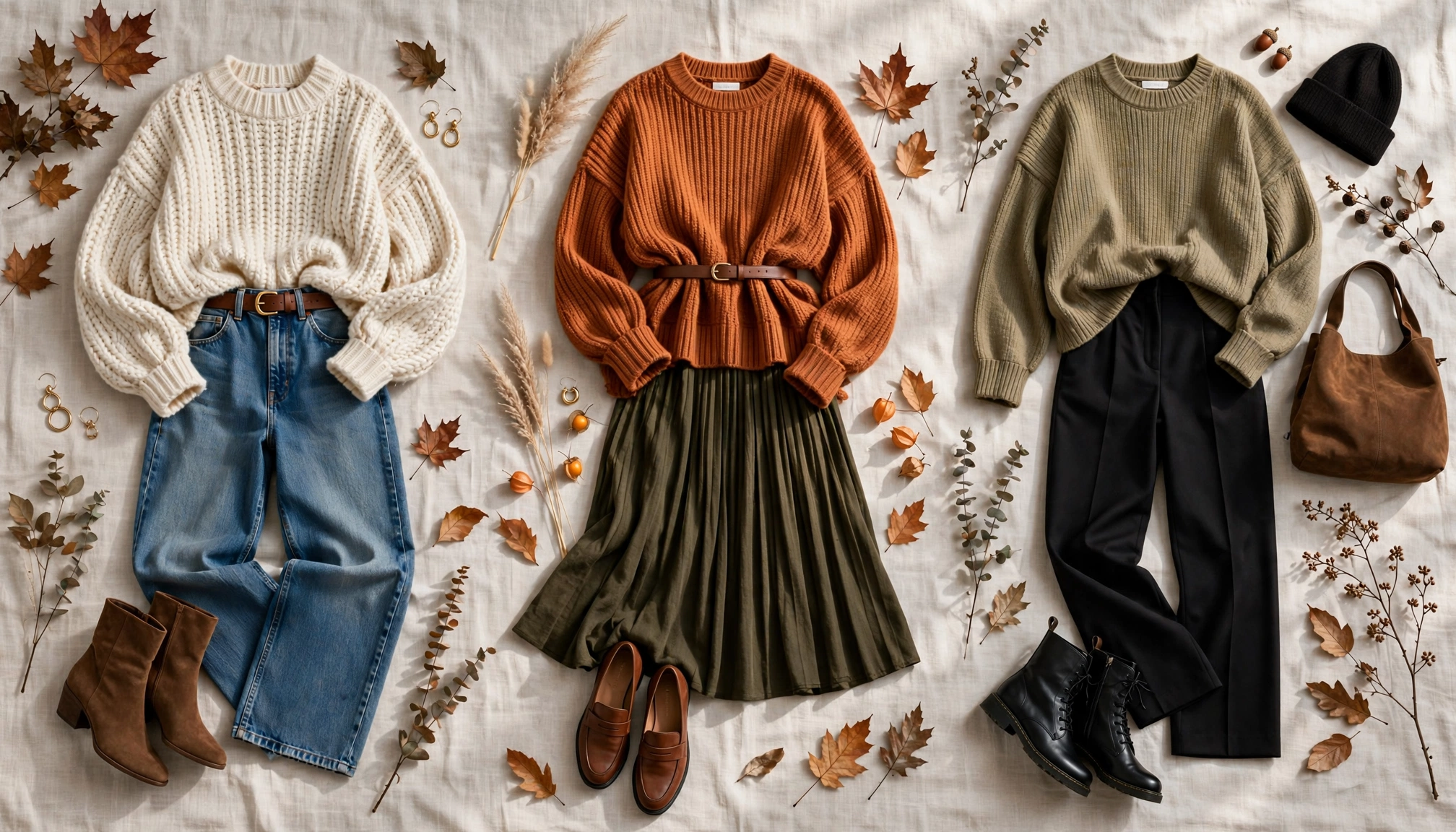
Gifting Sustainably: Navigating Fashion for the 2026 Holidays
Gifting sustainable fashion means giving something that lasts, looks good, and aligns with values. The global sustainable fashion market reached $11.5 billion by the end of 2026, showing a clear shift in consumer priorities. People want to know their gifts do not harm the planet or exploit workers. This guide cuts through the marketing noise to highlight brands genuinely committed to sustainability, offering practical gift ideas for various recipients and budgets.
What Makes a Fashion Brand "Sustainable" in 2026?
A truly sustainable fashion brand in 2026 does more than use a few organic materials. It addresses environmental impact, social equity, and economic viability across its entire supply chain.
- Material Sourcing: This involves using organic, recycled, or innovative low-impact materials. For example, organic cotton uses 91% less water than conventional cotton (243 liters vs. 2,700 liters per kilogram). Recycled polyester t-shirts have a carbon footprint of 1.5 kg CO2e, significantly lower than the 5.5 kg CO2e of conventional polyester.
- Production Processes: Brands minimize water use, energy consumption, and chemical waste. This includes dyeing processes and factory operations.
- Labor Practices: Fair wages, safe working conditions, and no forced or child labor are non-negotiable. Certifications like Fair Trade ensure these standards.
- Durability & Circularity: Products are made to last, and brands often offer repair services or take-back programs. This extends product life and reduces waste, aligning with circular economy principles championed by organizations like the Ellen MacArthur Foundation.
- Transparency: Brands openly share information about their supply chain, material origins, and environmental impact. This helps consumers avoid greenwashing.
Top Sustainable Fashion Brands for Holiday Gifts 2026
Here are brands that consistently meet high sustainability standards, offering diverse options for holiday gifting.
1. Patagonia: The Outdoor Gear Standard
Patagonia remains a leader in sustainable outdoor apparel. They use recycled materials extensively, including recycled polyester and nylon, and offer a robust repair program (Worn Wear). Their commitment to fair labor is evident through Fair Trade Certified factories.
- Gift Ideas:
- Recycled Fleece Jacket: A men's or women's Better Sweater Fleece Jacket (made from 100% recycled polyester) costs around $149. It's warm, durable, and versatile.
- Insulated Vest: A Nano Puff Vest, made with 60% post-consumer recycled polyester insulation, runs about $199.
- Gift Card: For the outdoor enthusiast who knows exactly what they need.
- Why it's great for gifting: High quality, long-lasting products that stand up to real-world use. Their environmental activism is genuine.
- Consideration: Prices are premium, but the durability means a longer lifespan.
2. Eileen Fisher: Elegant Staples with a Conscience
Eileen Fisher focuses on timeless designs, organic materials, and responsible manufacturing. They use organic cotton, linen, and Tencel, and have a significant take-back and resale program (Renew). Many of their garments are GOTS certified, meaning at least 70% organic natural fibers.
- Gift Ideas:
- Organic Cotton Scarf: A soft, oversized organic cotton scarf costs around $98-$128.
- Tencel Knit Top: A versatile long-sleeve Tencel knit top for women is typically $158-$198. Tencel production uses a closed-loop system, minimizing chemical waste.
- Renewed Item: Explore their Renew program for gently used, cleaned, and repaired Eileen Fisher pieces at a lower price point, starting around $75 for a top.
- Why it's great for gifting: Classic styles appeal to a wide age range, and the quality is exceptional. Their commitment to circularity is strong.
- Consideration: The aesthetic is minimalist; not for those who prefer bold patterns or trendy pieces.
3. Reformation: Stylish & Eco-Conscious Dresses
Reformation is known for its trendy dresses and separates made with sustainable materials like Tencel, recycled fabrics, and organic cotton. They provide detailed "RefScale" metrics on each product, showing its environmental savings (water, waste, carbon).
- Gift Ideas:
- Eco-friendly Dress: A midi dress made from Tencel or recycled viscose costs between $198 and $278.
- Sustainable Sweater: A cashmere blend sweater (often recycled or responsibly sourced) ranges from $228 to $348. A sustainably sourced cashmere sweater from a certified brand in 2026 ranges from $280 to $650.
- Linen Top: A stylish linen top for summer, around $128.
- Why it's great for gifting: Fashion-forward designs that appeal to younger demographics, with clear environmental impact data.
- Consideration: Their sizing can be inconsistent, and some styles are very specific.
4. Veja: Fair Trade Sneakers
Veja makes stylish sneakers with a strong focus on ethical sourcing and transparency. They use organic cotton for canvas and laces, wild rubber from the Amazon for soles, and recycled plastic bottles for some uppers. They pay fair wages to their producers in Brazil.
- Gift Ideas:
- Classic Esplar Sneakers: A pair of leather or vegan leather Esplar sneakers costs around $150-$170.
- V-10 or V-12 Sneakers: These popular styles, often featuring recycled materials, run $170-$200.
- Why it's great for gifting: A universally popular item, good for both men and women, with a clear ethical story.
- Consideration: Limited to footwear; not a full apparel brand.
5. Pact: Affordable Organic Basics
Pact specializes in organic cotton basics for the whole family. They are GOTS Certified and use Fair Trade Certified factories, making sustainable fashion more accessible.
- Gift Ideas:
- Organic Cotton Pajamas: A set of organic cotton pajamas for adults costs around $60-$80. Kids' pajamas are $30-$45.
- Organic Cotton Underwear/Socks: Multi-packs of organic cotton underwear or socks are $30-$50.
- Baby & Kids Apparel: Soft organic cotton onesies or outfits for new parents, typically $25-$45.
- Why it's great for gifting: Excellent for practical gifts, new parents, or stocking stuffers. Very transparent about certifications.
- Consideration: Styles are basic; not for those seeking high-fashion items.
6. Tentree: Planting Trees with Every Purchase
Tentree plants ten trees for every item purchased, making their environmental impact tangible. They use sustainable materials like organic cotton, recycled polyester, Tencel, and hemp.
- Gift Ideas:
- Graphic T-Shirt: A soft graphic tee made from organic cotton and recycled polyester costs $35-$45.
- Hoodie/Sweatshirt: A comfortable hoodie, often a blend of organic cotton and recycled polyester, is $70-$90.
- Beanies: A sustainable beanie made from recycled materials costs around $25-$30.
- Why it's great for gifting: Appeals to environmentally conscious individuals, and the tree-planting aspect adds a unique feel-good factor.
- Consideration: Styles are casual and outdoorsy; not suitable for formal wear.
How to Spot Genuine Sustainability (and Avoid Greenwashing)
With 68% of shoppers willing to pay at least 15% more for ethical items, many brands greenwash. Look for these indicators:
- Certifications: These are third-party verifications.
- GOTS (Global Organic Textile Standard): Ensures organic status of textiles from harvesting of raw materials through environmentally and socially responsible manufacturing. A GOTS-certified product has at least 70% organic natural fibers.
- Fair Trade Certified: Guarantees fair wages, safe working conditions, and community development for farmers and factory workers.
- Bluesign: Focuses on sustainable textile production, eliminating harmful substances from the beginning of the manufacturing process.
- B Corp Certification: Assesses a company's entire social and environmental performance.
- Transparency Reports: Does the brand publish annual sustainability reports? Do they list their factories?
- Material Breakdown: Do they specify percentages of recycled or organic content? "Made with sustainable materials" is vague; "Made with 70% GOTS-certified organic cotton and 30% recycled polyester" is specific.
- Durability & Repair: Brands that emphasize product longevity, offer repair services, or take back old items show a commitment beyond just initial production.
Data Comparison: Material Impact
| Material Type | Water Use (liters/kg) | Carbon Footprint (kg CO2e/t-shirt) | Key Benefit |
|---|---|---|---|
| Conventional Cotton | 2,700 | N/A (high) | Widely available |
| Organic Cotton | 243 | N/A (lower than conventional) | 91% less water, no harmful pesticides |
| Conventional Polyester | N/A | 5.5 | Durable, wrinkle-resistant |
| Recycled Polyester (rPET) | N/A | 1.5 | Reduces plastic waste, lower carbon footprint |
| Tencel/Lyocell | Low (closed-loop) | N/A (low) | Sustainable wood pulp, soft, breathable |
| Hemp | Low | N/A (low) | Durable, grows quickly, requires little water |
Note: Water use for polyester is primarily in manufacturing, not growth. Carbon footprint for cotton varies widely based on farming practices.
Practical Tips for Gifting Sustainable Fashion
- Know Your Recipient: What's their style? What do they genuinely need? A well-chosen, practical item is always more sustainable than something that ends up unworn.
- Check for Certifications: Before buying, quickly check the brand's website for GOTS, Fair Trade, B Corp, or Bluesign certifications.
- Consider Second-Hand or Upcycled: Don't overlook the impact of pre-loved items. High-end consignment stores or platforms like The RealReal offer luxury sustainable pieces at a fraction of the cost, giving them a second life. This is a significant aspect of sustainable consumption often overlooked.
- Prioritize Quality Over Quantity: A single, high-quality, sustainably made item that lasts for years is always better than multiple cheap, fast-fashion pieces.
- Gift Experiences or Services: Consider gifting a tailoring service for existing clothes, or a subscription to a sustainable clothing rental service.
- Read Reviews: Look for comments on durability and fit to ensure the gift will be well-received and long-lasting.
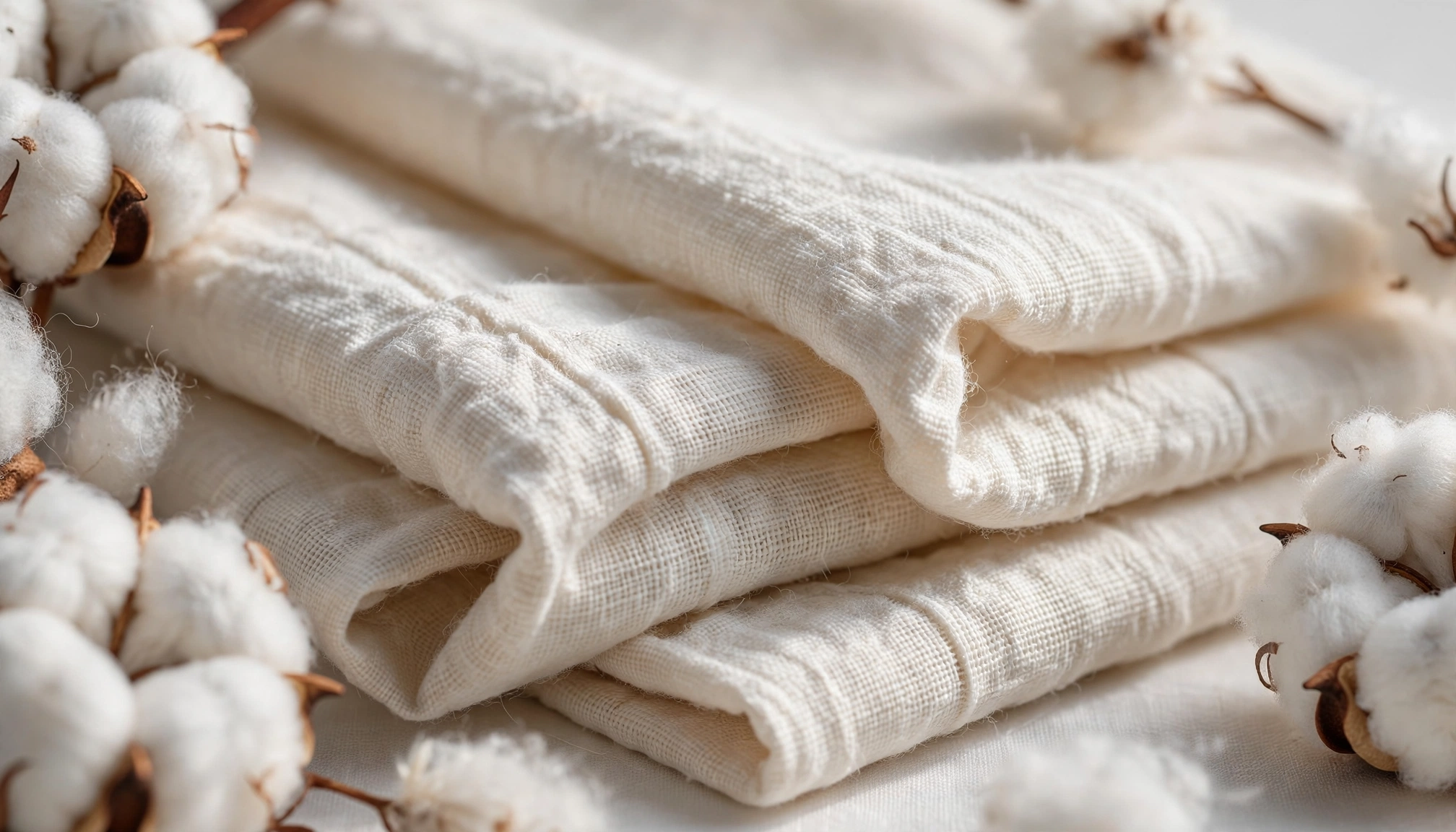
A close-up of a GOTS certified organic cotton label on a garment, with a blurred background of a sustainable fashion workshop.
Frequently Asked Questions
Q1: Is sustainable fashion always more expensive?
Not always, but it often carries a higher