Best AI-Powered Travel Planners for 2027 Trips
Why AI Travel Planners Matter in 2027
Travel planning in 2026 and heading into 2027 is more complex than it used to be. Flight delays are common, hotel prices fluctuate daily, and personalized experiences are now expected. AI-powered tools cut through this noise. They automate research, predict issues, and adapt to changes, saving you hours of manual work and often hundreds of dollars. The global AI in travel market is growing fast, projected to hit $1.85 billion in 2026, up from $1.20 billion in 2025, which shows how much these tools are improving and expanding.
I've used these platforms for years, from quick weekend trips to month-long international journeys. The difference between manually tracking flights and having an AI alert you to a gate change before the airline does is significant. These tools are not just about booking; they manage the entire trip lifecycle.
Top AI Travel Planners for 2027
I've tested numerous platforms. Here are the ones that consistently deliver value for 2027 travel.
1. TripIt Pro: The Itinerary Master
TripIt Pro excels at organizing your travel details. You forward your booking confirmations (flights, hotels, rental cars, restaurant reservations) to a unique email address, and TripIt builds a master itinerary. Its AI then monitors these bookings.
Key AI Features:
- Real-time Alerts: It sends push notifications for flight delays, gate changes, and baggage claim information. I once got a notification about a 45-minute flight delay from TripIt Pro before the airline's own app updated. This feature alone saved me from rushing to the airport unnecessarily.
- Alternative Flight Finder: If your flight is canceled, TripIt Pro suggests alternative flights, often with seat availability, saving you precious time at the customer service desk.
- Refund Tracker: It monitors flight prices after you book and alerts you if you're eligible for a refund due to a price drop, though this is less common with basic economy fares.
- Point Tracker: Integrates with loyalty programs to show your points balance.
- Cost: TripIt Pro costs $49 per year. There is a free version, but it lacks the real-time alerts and alternative flight finder.
- Ease of Use: Very high. Forwarding emails takes seconds. The app interface is clean and intuitive.
- Best For: Frequent travelers, business travelers, and anyone who wants a single, organized view of their trip with proactive alerts.
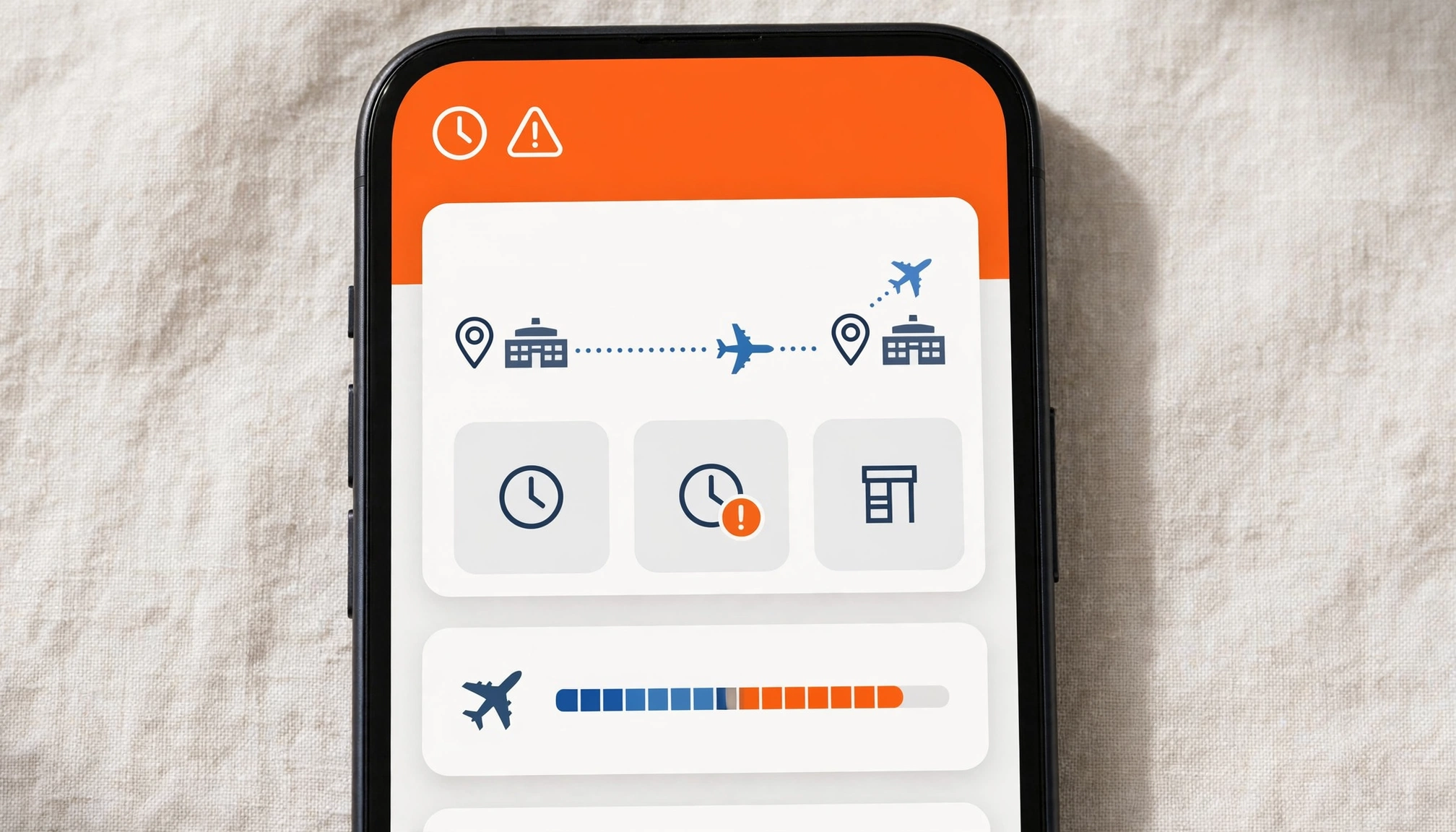
A smartphone screen showing the TripIt Pro app with a detailed itinerary for a flight, including gate number, departure time, and a delay notification.
2. Kayak: The Smart Search Engine
Kayak has long been a leader in travel search, and its AI capabilities have made it even more powerful. It aggregates data from hundreds of travel sites, but its AI goes beyond simple comparison.
Key AI Features:
- Price Forecasts: Kayak's "Price Forecast" tool uses historical data and current trends to predict whether flight prices will rise or fall in the next 7 days. I've found this to be accurate about 70-80% of the time for popular routes.
- Price Alerts: You set up alerts for specific flights or routes, and Kayak emails you when the price changes. This is standard, but its AI refines the timing of these alerts to suggest optimal booking windows.
- Explore Tool: You input your budget and desired travel dates, and Kayak's AI suggests destinations that fit your criteria, often uncovering cheaper options you hadn't considered. For example, I once found a round-trip flight to Lisbon for $450 from New York using this feature, when I was originally looking at more expensive options in Italy.
- Personalized Recommendations: Based on your search history and past bookings, Kayak suggests hotels and activities that align with your preferences.
- Cost: Free to use. Premium features are integrated into the free experience.
- Ease of Use: Excellent. The interface is straightforward, and filters are robust.
- Best For: Budget-conscious travelers, flexible travelers looking for deals, and anyone who wants a comprehensive view of flight, hotel, and car rental options.
3. Expedia's AI Assistant: Dynamic Packaging
Expedia has integrated AI into its booking process, particularly with its package deals and customer service. Their AI assistant, available through the app, helps streamline complex bookings.
Key AI Features:
- Dynamic Package Creation: Expedia's AI analyzes flight and hotel availability and pricing in real-time to create optimized package deals. It learns from user behavior to suggest combinations that offer the best value. I've seen savings of up to 20% compared to booking flights and hotels separately using this feature.
- Virtual Agent Support: For common queries like checking booking status, modifying reservations, or finding policy information, Expedia's AI-powered virtual agent provides instant answers, reducing wait times for human agents.
- Personalized Itinerary Suggestions: After booking, the AI suggests activities, tours, and dining options in your destination based on your booking details and stated interests.
- Fraud Detection: Expedia's AI systems monitor transactions for suspicious activity, protecting users from fraudulent bookings. This is a critical, behind-the-scenes AI function that enhances security.
- Cost: Free to use the platform. Package prices vary.
- Ease of Use: Good. The virtual agent is responsive, and the booking flow is familiar to most online travel agency users.
- Best For: Travelers who prefer booking flights and hotels together, those who appreciate integrated customer support, and users who want personalized recommendations for in-destination activities.
4. Google Flights/Hotels: Predictive Insights
While not a standalone "planner" in the same vein as TripIt, Google's travel tools leverage immense AI power for predictive insights.
Key AI Features:
- Price Guarantee: For select flights, Google offers a price guarantee. If the price drops after you book, they refund the difference. This is a direct application of their AI's confidence in price predictions. Google's official explanation of price guarantee details how it works.
- "When to Book" Recommendations: Google Flights tells you if current prices are low, typical, or high for your chosen route and suggests if you should book now or wait. This is based on vast datasets of historical flight prices.
- "Explore" Feature: Similar to Kayak, Google's "Explore" uses AI to suggest destinations based on your departure airport, budget, and desired travel dates, often highlighting unexpected deals.
- Hotel Price Tracking: Google Hotels tracks prices across various booking sites and alerts you to drops, similar to flights.
- Cost: Free.
- Ease of Use: Excellent. Integrates smoothly with other Google services.
- Best For: Travelers who prioritize finding the best flight and hotel deals, and those who want data-driven recommendations on when to book.
Comparison Table: AI Travel Planners
| Feature / Planner | TripIt Pro | Kayak | Expedia (AI Assistant) | Google Flights/Hotels |
|---|---|---|---|---|
| Cost (Annual) | $49 | Free | Free | Free |
| Real-time Alerts | Yes | No | Limited (via virtual agent) | No |
| Price Forecasts | No | Yes | No | Yes |
| Itinerary Management | Excellent | Basic | Good (for Expedia bookings) | No (search only) |
| Personalized Recommendations | Limited | Yes | Yes | Yes |
| Alternative Flight Finder | Yes | No | Limited (via virtual agent) | No |
| Dynamic Package Deals | No | No | Yes | No |
| Best Use Case | Itinerary organization, proactive alerts | Deal finding, flexible travel | Package booking, integrated support | Price prediction, broad search |
How to Choose the Right AI Travel Planner
Your choice depends on your travel style and priorities.
- If you travel frequently or have complex itineraries: TripIt Pro is a must-have. Its real-time alerts and organizational power are unmatched.
- If you're always hunting for the best deals and have flexible dates: Kayak and Google Flights are your go-to. Their price prediction and exploration tools save significant money.
- If you prefer booking everything together and want integrated support: Expedia's AI assistant simplifies the package booking process and offers quick help.
Future Trends in AI Travel (2027 and Beyond)
Expect more sophisticated personalization. AI will learn not just your booking habits, but also your preferences for seat types, in-flight meals, and even specific types of activities at your destination. We'll see more predictive analytics for things like security line wait times and optimal times to visit attractions. Voice-activated planning will also become more seamless. Imagine telling your smart speaker, "Plan a 5-day trip to Rome in September, focusing on ancient history, with a budget of $2,000," and getting a detailed itinerary and booking options within minutes. The International Air Transport Association (IATA) has been exploring AI's role in improving passenger experience and operational efficiency for years.

A futuristic travel interface showing a holographic map with suggested routes, hotel options, and real-time traffic data, all powered by AI.
Final Verdict & Practical Takeaways
For 2027 travel, AI-powered planners are no longer a novelty; they are essential tools for efficient, stress-free trips. TripIt Pro stands out for its itinerary management and real-time alerts, making it invaluable for frequent travelers. Kayak and Google Flights are indispensable for finding the best deals and predicting price movements. Expedia's AI assistant simplifies package bookings and offers solid customer support.
My practical advice:
- Use a combination: Start with Kayak or Google Flights for deal hunting.
- Consolidate with TripIt Pro: Once booked, forward all confirmations to TripIt Pro for seamless itinerary management and proactive alerts.
- Leverage AI for problem-solving: When issues arise (delays, cancellations), trust these tools to provide quick information and alternative solutions.
- Stay updated: The AI travel landscape changes rapidly. Check for new features and updates from your preferred platforms regularly.