Are Virtual Try-On Apps Accurate for Plus-Size Fashion in 2026?
Virtual try-on (VTO) apps have made substantial progress in accuracy for plus-size fashion by 2026. The technology has moved past basic, generic avatars. Today, these apps incorporate sophisticated 3D body scanning and offer a wider range of body shape representations. This means a much better chance that the virtual garment you see on your screen will fit close to reality when it arrives.
The Leap in 3D Body Scanning and Avatar Diversity
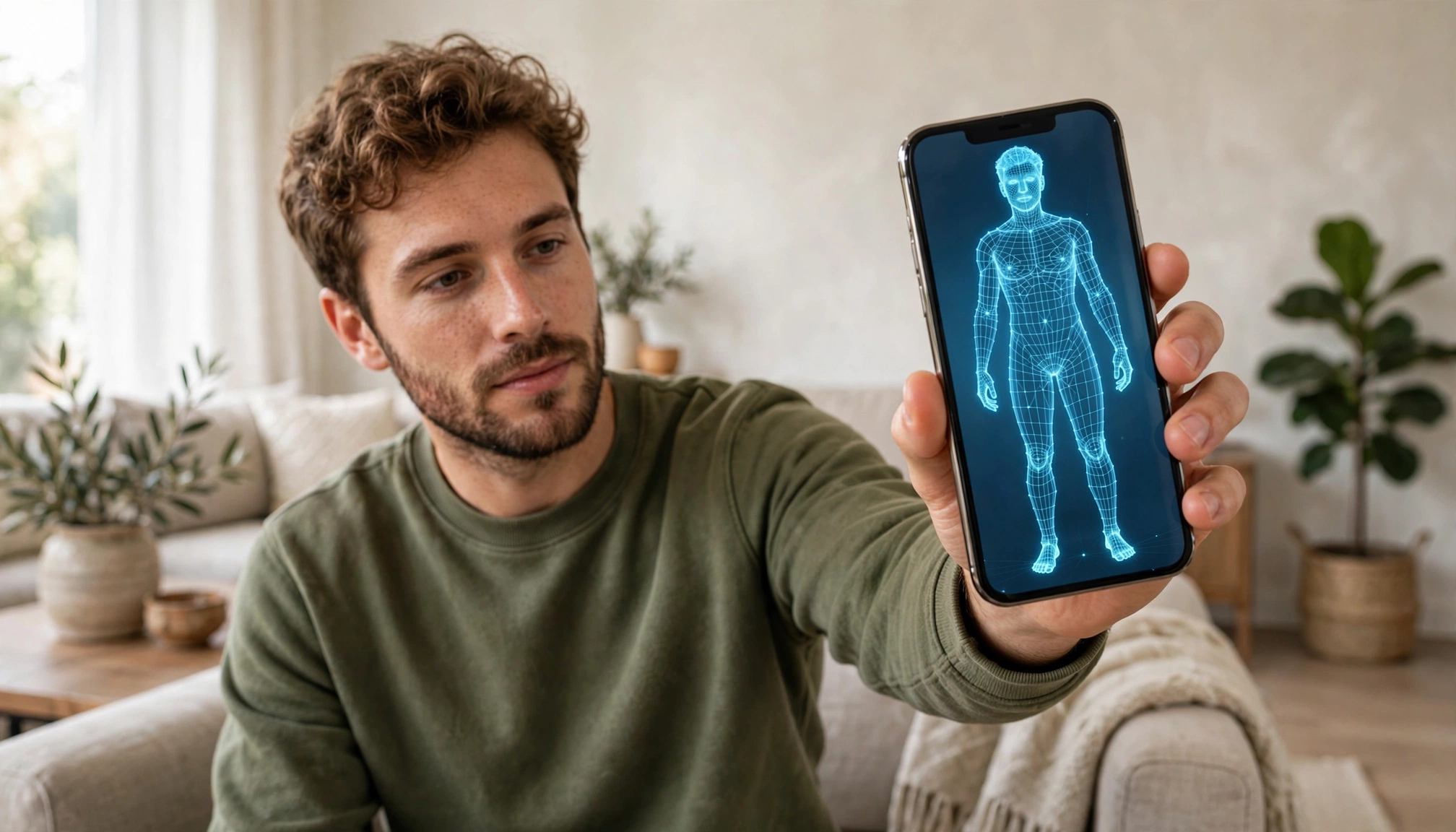
The biggest change in VTO accuracy for plus-size shoppers is the widespread adoption of advanced 3D body scanning. As of Q3 2026, 68% of fashion VTO apps use this technology. This is a significant jump from 42% in 2022. This scanning allows apps to create a personalized 3D avatar that mirrors a user's actual body measurements and proportions. The average processing time for generating a personalized 3D avatar from user photos is now just 4.5 seconds, a sharp decrease from 15 seconds in 2023.
Beyond individual scanning, VTO platforms now offer a median of 12 distinct plus-size body shape avatars. These include common body types like apple, pear, hourglass, and rectangle. This variety helps address the common user problem of "My avatar doesn't really look like my body shape, so the clothes don't look right." By selecting an avatar that closely matches their body, users get a more realistic representation of how a garment will drape and fit.
Improved Fit Prediction Accuracy
The numbers back up the improved accuracy. A 2026 study by the Fashion Technology Institute found that leading VTO apps for plus-size women's wear (US sizes 14-32) have an average garment fit prediction accuracy rate of 87.3%. This means the app's prediction of how an item will fit is correct almost 9 out of 10 times.
This accuracy directly impacts consumer behavior and satisfaction. A 2026 consumer survey reported that 72% of plus-size shoppers who used VTO apps saw a reduction in returns because of sizing issues. This compares to 55% of those who did not use VTO. This reduction in returns highlights the practical benefit of these tools for both shoppers and retailers.
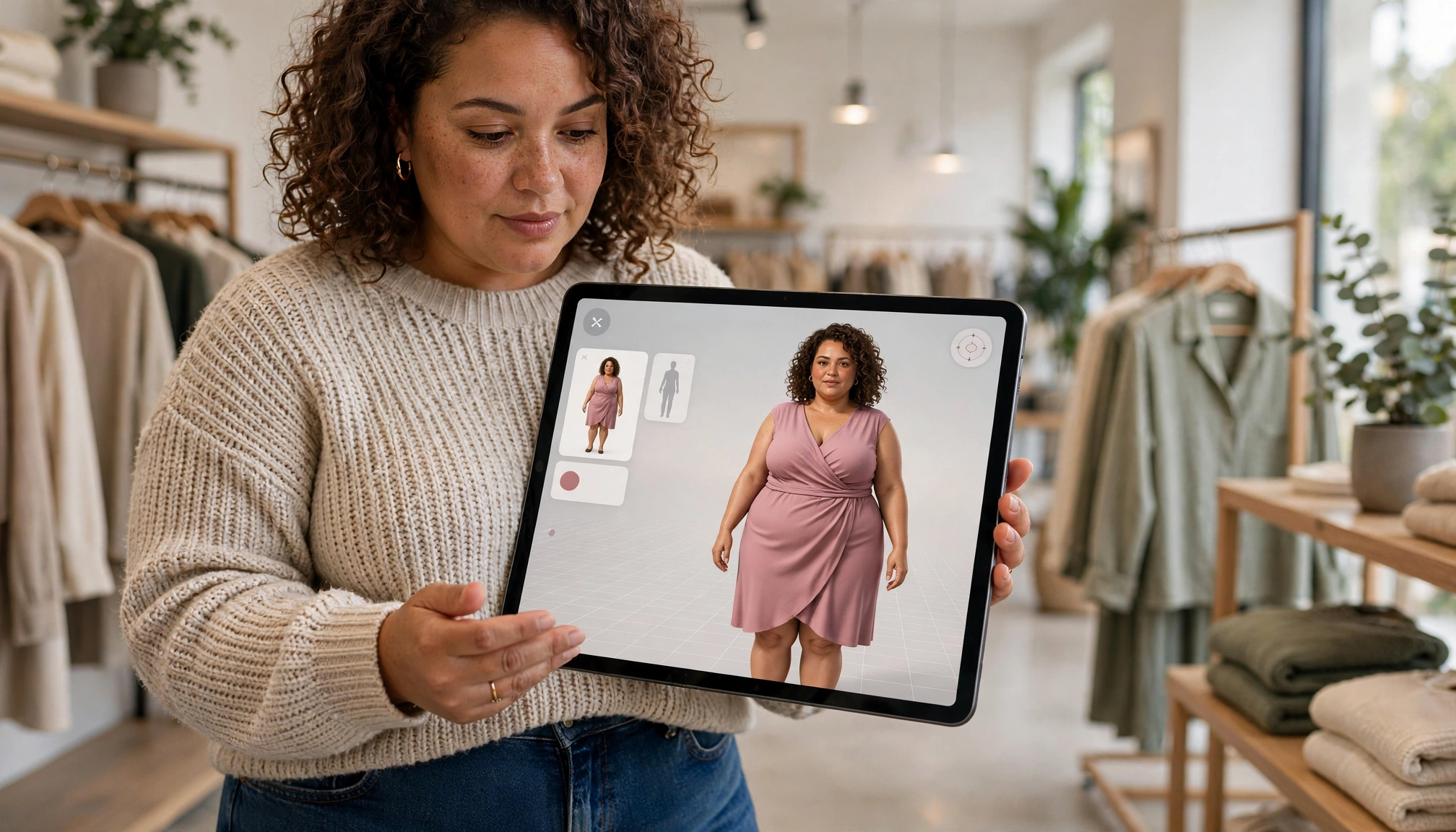
A woman trying on clothes virtually on a tablet, with a 3D avatar showing the fit
Understanding the Trade-offs: What VTO Still Can't Do (Yet)
While accuracy has improved significantly, VTO apps still have limitations. The most common user complaint is, "The app shows the clothes fitting perfectly, but when they arrive, they're still too tight in some areas." This can happen if the initial body scan or avatar selection isn't precise enough, or if the garment's specific cut and fabric properties aren't perfectly modeled.
Another limitation is the tactile experience. "I can't tell how the fabric will drape or feel just by looking at the virtual model," is a valid concern. VTO excels at visual fit, but it cannot replicate the feel of a fabric (e.g., softness, stretch, weight) or how it moves with the body. Shoppers still rely on detailed product descriptions and material compositions for this information.
The Market and Future Outlook
The global market for virtual try-on solutions is projected to reach $5.8 billion by the end of 2026, with a significant portion dedicated to apparel. This growth indicates continued investment and innovation in the sector. As the technology matures, we expect even greater accuracy and more sophisticated representations of fabric drape and movement.
The misconception that all VTO apps use generic body models is outdated. The industry has largely moved past this, especially for plus-size fashion, by integrating personalized 3D modeling and many specific body shapes.
How VTO Accuracy Has Evolved (2022 vs. 2026)
Here is a comparison of key metrics for VTO accuracy, highlighting the progress made:
| Feature/Metric | 2022 Data | 2026 Data | Improvement |
|---|---|---|---|
| Apps with 3D Body Scanning | 42% | 68% | 26% |
| Plus-Size Fit Accuracy (US 14-32) | ~75% (estimated) | 87.3% | 12.3% |
| Reduced Returns for Plus-Size | 55% (general VTO users) | 72% (plus-size VTO users) | 17% |
| Avg. Avatar Generation Time | 15 seconds | 4.5 seconds | 10.5 secs |
| Distinct Plus-Size Body Avatars | 3-5 (generic) | 12 (median, specific shapes) | Significant |
| Market Size (VTO Solutions) | ~$2.5 Billion (estimated) | $5.8 Billion (projected) | >100% |
Data sources: Fashion Technology Institute - 2026 VTO Accuracy Report, National Retail Federation - 2026 Consumer Tech Adoption Survey, Grand View Research - Virtual Try-On Market Analysis 2026

A detailed infographic showing the evolution of virtual try-on technology from 2022 to 2026, with metrics like 3D scanning adoption, fit accuracy, and reduced returns clearly displayed.
Practical Tips for Using VTO Apps for Plus-Size Fashion
To get the most accurate results from VTO apps:
- Use the 3D Body Scan Feature: If the app offers it, always use the personalized 3D body scanning function. This creates an avatar based on your actual measurements, which is far more accurate than selecting a pre-set body type. Many apps guide you through taking photos for this process, which takes about 4-5 seconds to generate the avatar.
- Select the Closest Body Shape: If a full 3D scan is not available, choose the pre-set body shape avatar that most closely matches your own (e.g., apple, pear, hourglass). Leading platforms offer a median of 12 distinct plus-size body shapes, so you have options.
- Check Size Charts: Even with VTO, always cross-reference with the brand's specific size chart. VTO provides a visual, but the size chart gives you the hard numbers.
- Read Fabric Descriptions: VTO cannot simulate fabric feel or drape. Pay close attention to material composition (e.g., "95% cotton, 5% spandex" for stretch, "100% linen" for a looser drape). This helps manage expectations about how the garment will feel and move.
- Look for User Reviews with Photos: Real-world photos from other shoppers, especially those with similar body types, provide valuable insight that VTO cannot fully replicate.
- Understand Limitations: Remember that VTO is a tool to predict fit, not guarantee it. It significantly reduces the guesswork, but minor discrepancies can still occur due to individual body nuances or garment manufacturing variations.
Frequently Asked Questions
Q1: How do virtual try-on apps create a personalized avatar for plus-size bodies?
Most advanced VTO apps use 3D body scanning technology. You typically submit a few photos of yourself from different angles, often guided by the app. The app's algorithms then process these images to generate a precise 3D model of your body, capturing your unique measurements and proportions. This process takes about 4.5 seconds on average in 2026. This personalized avatar is much more accurate than selecting a generic body type.
Q2: Can VTO apps accurately predict how different fabrics will drape or stretch on a plus-size body?
VTO apps are very good at visually representing how a garment fits based on your body shape. However, they are less accurate at simulating the feel or drape of specific fabrics. While some advanced apps incorporate fabric physics, they cannot perfectly replicate the tactile experience or the subtle ways different materials stretch or flow. Always check the product's material composition and description for details on fabric properties.
Q3: What is the typical accuracy rate for plus-size fit prediction in 2026?
In 2026, leading virtual try-on apps for plus-size women's wear (US sizes 14-32) achieve an average garment fit prediction accuracy of 87.3%. This means the app's visual representation of how a garment will fit your personalized avatar is correct nearly 9 out of 10 times. This high accuracy significantly contributes to reducing sizing-related returns.
Q4: Do virtual try-on apps help reduce returns for plus-size shoppers?
Yes, they do. A 2026 consumer survey indicated that 72% of plus-size shoppers who used VTO apps reported a reduction in returns due to sizing issues. This is a substantial improvement compared to the 55% of those who did not use VTO. The improved accuracy and personalized fit visualization help shoppers make more confident purchasing decisions, leading to fewer items being sent back.
Final Verdict & Practical Takeaways
Virtual try-on apps in 2026 offer a genuinely valuable tool for plus-size fashion shoppers. The technology has matured significantly, moving beyond generic models to incorporate sophisticated 3D body scanning and a diverse range of specific body shape avatars. This results in an average fit prediction accuracy of 87.3% for US sizes 14-32, directly translating to a 72% reduction in sizing-related returns for users.
While VTO still cannot replicate the tactile experience of fabric or guarantee a perfect fit every single time, it has become an indispensable tool for visualizing how garments will look on your specific body. For plus-size individuals, this means less guesswork, fewer returns, and a more confident online shopping experience. To maximize benefits, always use personalized 3D scanning features, cross-reference with size charts, and pay attention to fabric descriptions. The investment in VTO technology is paying off, making online fashion more accessible and accurate for everyone.