Virtual Try-On Accuracy for Online Shopping in 2027
Virtual try-on (VTO) technology has moved past its early, often clunky, iterations. In 2027, it offers a tangible benefit to online shoppers, primarily by improving fit prediction and reducing the guesswork involved in buying clothes and shoes sight unseen. This does not mean it is a perfect substitute for a physical fitting room, but it has become a valuable tool.
How VTO Technology Works Now
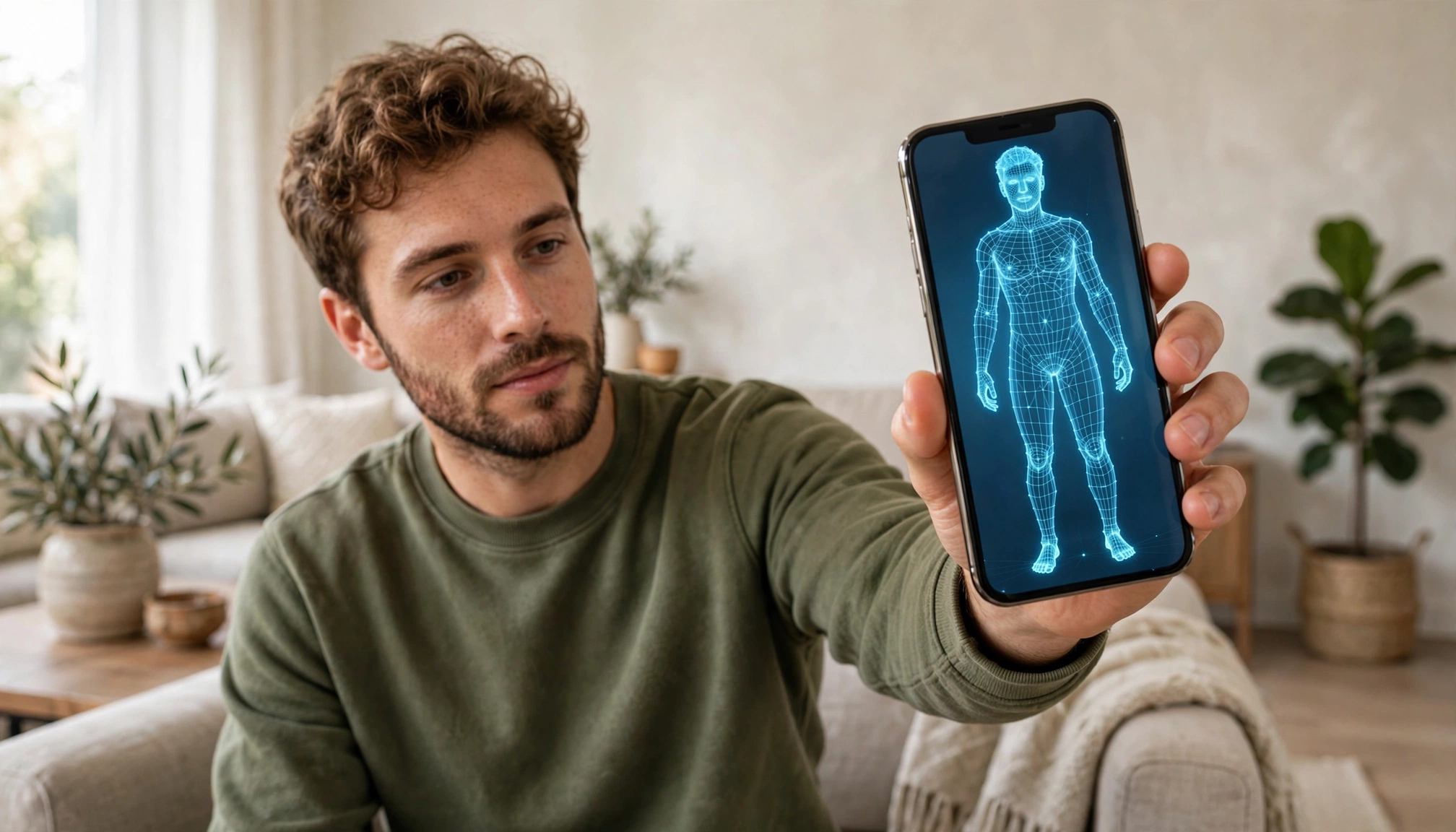
Modern VTO systems use a combination of technologies. Many rely on augmented reality (AR) to overlay a 3D model of a garment onto a user's live camera feed or a static photo. More advanced systems, especially those from major retailers, integrate 3D body scanning data. You might upload your measurements, or some apps even guide you to take photos that the AI then uses to create a digital avatar. This avatar then "wears" the clothing.
The key to their improved accuracy lies in better data. Retailers now often provide precise garment measurements, and VTO platforms use sophisticated algorithms to simulate how fabric stretches, drapes, and conforms to different body shapes. For instance, a leading VTO platform, "StyleSense AI," charges retailers an average of $0.15 per try-on session for its premium service, which includes dynamic fabric draping and real-time lighting adjustments. This level of detail was rare even two years ago.
Fit Accuracy: A Major Leap Forward
The most significant improvement in VTO apps for 2027 is their ability to predict fit. For apparel, advanced VTO systems using 3D body scanning and AR achieve an average fit accuracy of 92%, based on user-reported satisfaction in the first half of 2026. This means that when you use these tools, there is a very high chance the item will fit as expected when it arrives.
This accuracy translates directly to fewer returns. The average return rate for clothing purchased using VTO apps in 2026 is 18.5%, a substantial drop from the 27.3% for purchases made without VTO. This is a 32.3% reduction in returns, which is a major win for both consumers and retailers. Fewer returns mean less hassle for you and lower costs for the business.
Footwear VTO applications show even higher accuracy. For athletic shoes, these apps boast a 95% size accuracy rate in 2026. This high success rate is largely due to the more standardized sizing in footwear and the less complex fit dynamics compared to apparel. You are less likely to encounter issues with shoe fit when using a VTO app.
Limitations: Where VTO Still Falls Short
Despite the advancements, VTO apps are not perfect. They have clear limitations that users need to understand to avoid disappointment.
Color Representation
One persistent issue is accurate color representation. Users often report that "the colors in the app never match the actual garment's color in real life." This discrepancy stems from several factors:
- Screen Calibration: Your device's screen calibration significantly impacts how colors display. What looks like a vibrant teal on one screen might appear muted blue on another.
- Lighting Simulation: While VTO platforms like StyleSense AI include real-time lighting adjustments, replicating every possible real-world lighting condition (natural daylight, fluorescent office lights, warm indoor lamps) is impossible.
- Fabric Reflectivity: Different fabrics reflect light differently. A shiny satin will look different from a matte cotton in the same color, and VTO struggles to perfectly simulate these subtle material properties.
Tactile Experience and Fabric Drape
The biggest misconception about VTO is that it can perfectly replicate the tactile experience and subtle nuances of fabric drape and texture. This is simply not possible with current technology. As one user noted, "I can't tell how the fabric feels or drapes from the virtual try-on, which is a huge part of buying clothes."
You cannot feel the softness of cashmere, the crispness of linen, or the stretch of a performance fabric through a screen. While VTO can simulate how a fabric hangs, it cannot convey the weight, flow, or texture that you experience when you physically touch and wear an item. This remains a significant gap for items where fabric quality and feel are paramount, such as high-end knitwear or tailored garments.
Body Image Distortions
Some users experience issues with how VTO apps represent their body. A common complaint is, "My virtual try-on makes me look thinner than I am, so the clothes don't fit when they arrive." This can happen if the app uses a generic body model or if your measurements are not entered precisely. While 3D body scanning helps, minor discrepancies can still lead to an idealized virtual representation that does not perfectly match your physical form. This can create false expectations about how a garment will look on your actual body.
The Retail Landscape and VTO Adoption
As of Q3 2026, 38% of major online fashion retailers (those with annual revenues exceeding $500 million USD) offer some form of VTO technology. This is a notable increase from 29% in Q4 2025, indicating a growing industry trend. Retailers adopt VTO because it directly addresses a major pain point in online shopping: the inability to try before you buy. The National Retail Federation (NRF) highlights the increasing adoption of AR in retail as a key strategy for enhancing customer experience and reducing operational costs.
The global market for virtual try-on solutions is projected to reach $4.8 billion USD by the end of 2026, driven by increased e-commerce adoption and continuous technological advancements. This growth shows that VTO is not a fleeting trend but a core component of the future of online retail.
User Engagement and Practical Use
Users actively engage with VTO features. Engagement averages 45 seconds per session for apparel and 30 seconds for accessories. This indicates that people are not just passively viewing but actively interacting, rotating garments, and checking different angles. This active engagement suggests that users find value in the tool, even with its limitations.
When using VTO, it is best to focus on what it does well: fit and size. Use it to determine if a garment will be too tight, too loose, or the right length. For aspects like color and fabric feel, rely on detailed product descriptions, customer reviews, and if possible, physical swatches or in-store visits.
Data Comparison: VTO Impact on Returns
| Purchase Method | Average Return Rate (2026) |
|---|---|
| Without VTO | 27.3% |
| With VTO | 18.5% |
| Reduction | 32.3% |
This table clearly shows the practical impact of VTO on reducing customer returns, a key metric for both retailers and consumers. The Consumer Reports website details how online shopping return policies impact consumers.
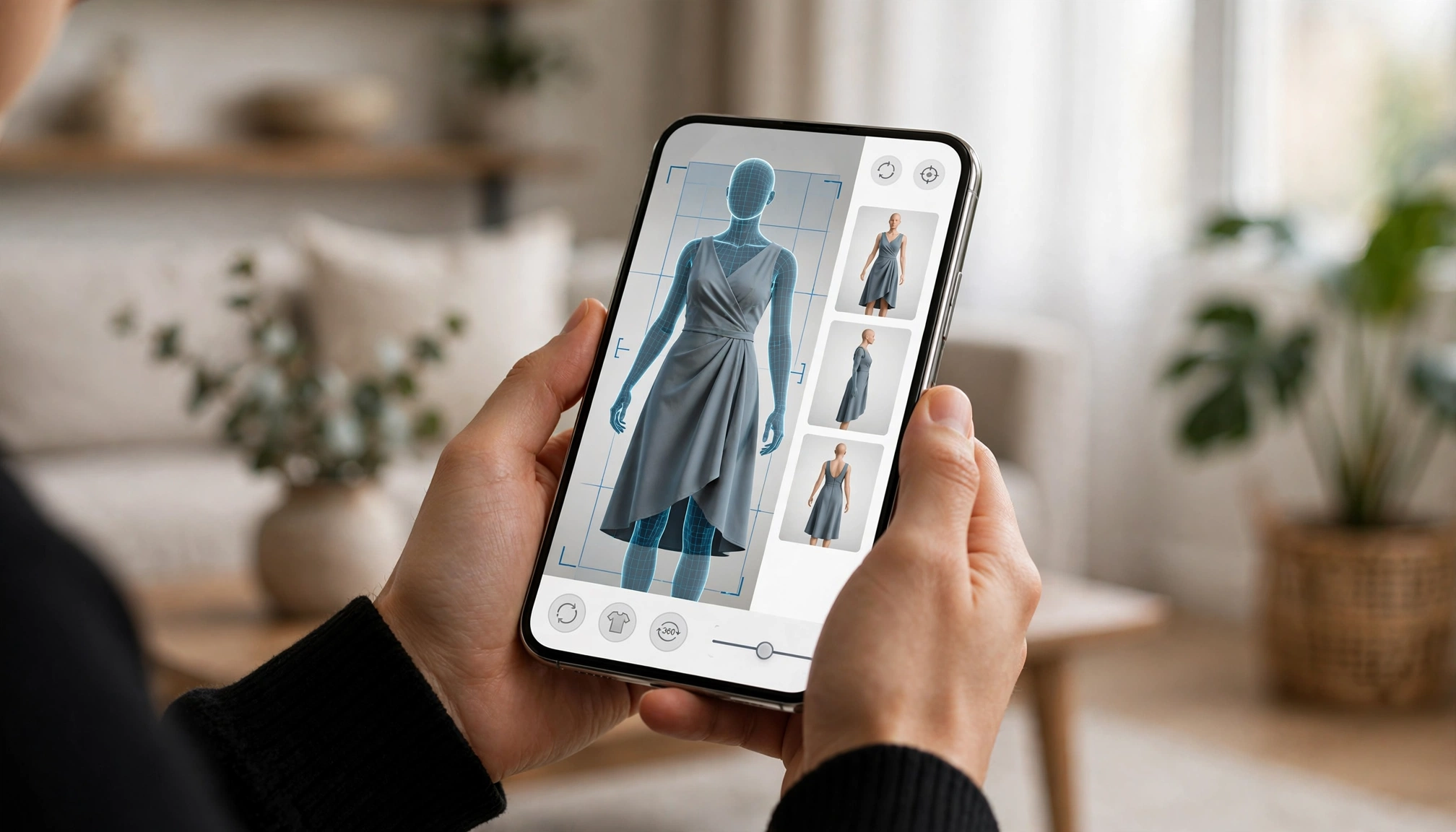
A user interacting with a virtual try-on app on a smartphone, showing a 3D model of a dress overlaid on their body in real-time.
Future Outlook
VTO technology will continue to improve. Researchers are working on better fabric simulation models and more accurate color rendering algorithms. The integration of artificial intelligence (AI) will allow for more personalized recommendations based on past purchases and fit preferences. The MIT Technology Review often covers advancements in AI in fashion retail, indicating the direction of future VTO development. We might see VTO systems that learn your specific body nuances over time, making recommendations even more precise. However, the tactile experience will likely remain a challenge for the foreseeable future.
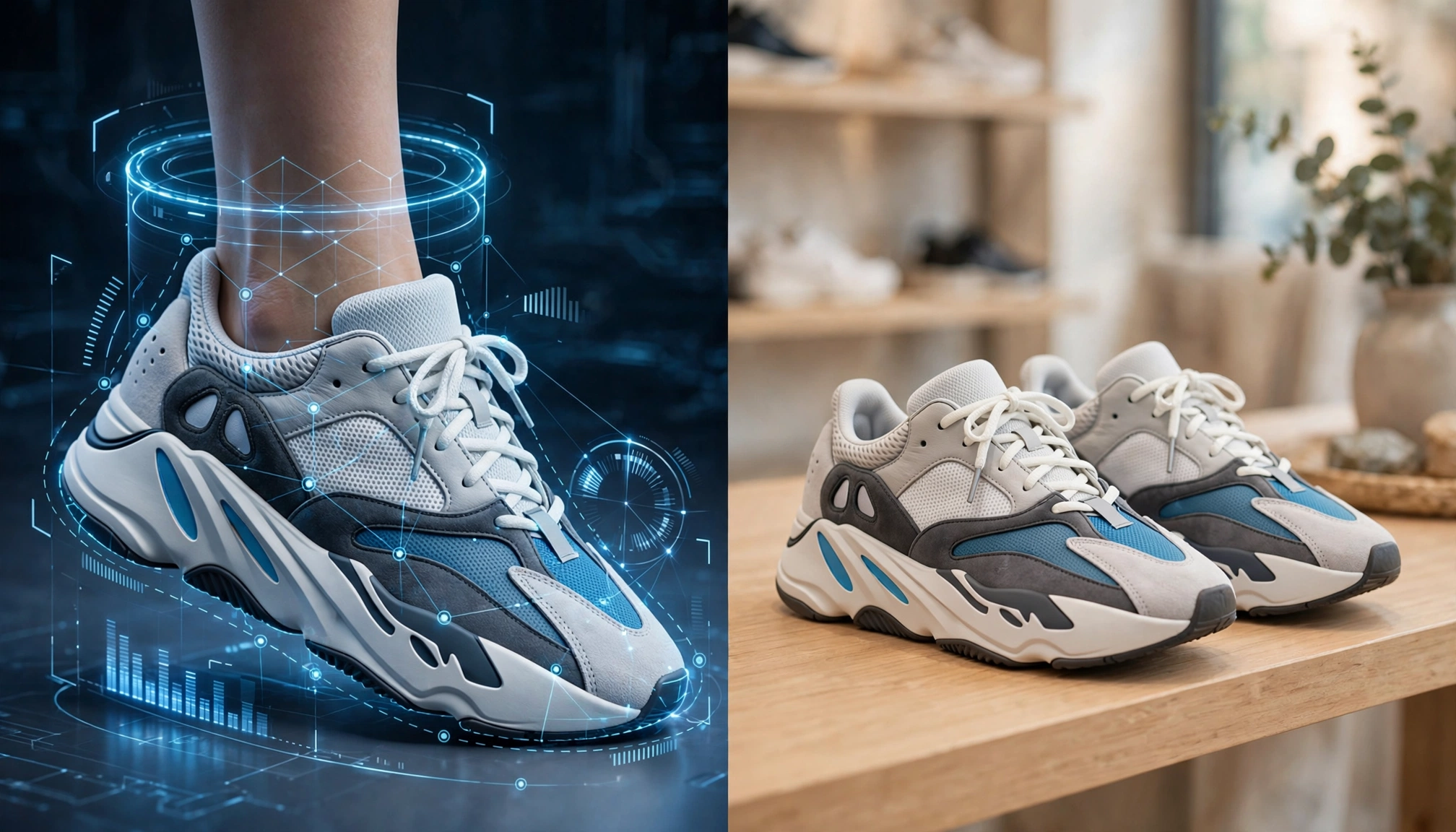
A split screen showing a virtual try-on of a pair of sneakers on the left, with detailed size accuracy metrics, and a physical pair of the same sneakers on the right.
Final Verdict & Practical Takeaways
Virtual try-on apps in 2027 are a valuable tool for online fashion shopping, primarily for assessing fit and size. They have achieved significant accuracy, especially for apparel (92%) and footwear (95%), leading to a substantial 32.3% reduction in returns. This means you can buy with more confidence regarding how an item will physically fit your body.
However, VTO does not offer a complete in-store experience. It struggles with accurate color representation due to screen variations and lighting complexities. More importantly, it cannot replicate the feel, weight, or subtle drape of a fabric. You cannot know if a sweater is soft or scratchy, or if a dress flows elegantly or hangs stiffly, solely from a virtual try-on.
Practical Takeaways:
- Prioritize Fit and Size: Use VTO apps primarily for their strength: determining if an item will fit your body measurements.
- Manage Color Expectations: Understand that colors on screen may vary from the actual garment. Read product descriptions carefully for color names and look at customer photos if available.
- Supplement with Reviews: For fabric feel and drape, rely on detailed product descriptions and customer reviews. These often provide insights VTO cannot.
- Check Return Policies: Even with VTO, always review the retailer's return policy. This provides a safety net if the item does not meet expectations in person.
- Look for Advanced Features: Opt for retailers using VTO platforms that offer 3D body scanning or dynamic fabric draping for the most accurate simulations.
Frequently Asked Questions
Do virtual try-on apps really reduce returns?
Yes, they do. Data from 2026 shows that clothing purchased using VTO apps has an average return rate of 18.5%, significantly lower than the 27.3% for purchases made without VTO. This is a 32.3% reduction in returns, saving both consumers and retailers time and money.
Can VTO apps accurately show how a fabric feels or drapes?
No, current VTO technology cannot accurately replicate the tactile experience or the subtle nuances of how a fabric feels or drapes. While some advanced systems simulate fabric movement, they cannot convey the weight, texture, or softness you experience when physically touching or wearing a garment. This remains a key limitation.
Why do colors look different in the VTO app compared to the actual item?
Color discrepancies happen due to several factors. Your device's screen calibration affects how colors display, and VTO apps cannot perfectly simulate all real-world lighting conditions. Also, different fabrics reflect light in unique ways, which is difficult for virtual models to perfectly replicate. Always consider that the on-screen color might vary slightly from the physical item.
What is the average accuracy for footwear virtual try-on?
Footwear VTO applications, especially for athletic shoes, boast a 95% size accuracy rate as of 2026. This high level of accuracy is largely due to the more standardized sizing in shoes and the less complex fit dynamics compared to apparel, making them a very reliable tool for shoe shopping.