How to Prevent Dry Skin in Winter 2026 Naturally
Winter air, both outdoors and indoors, is a major culprit for dry, itchy skin. The cold air holds less moisture, and indoor heating further dries out the environment. I've spent years dealing with this personally, and professionally advising clients on natural skin care. It's not just about slapping on lotion; it's about creating a holistic environment and routine that supports your skin's natural barrier.
The average relative humidity indoors during winter in northern U.S. states can drop to 20-30%. This is significantly lower than the ideal 40-60% for skin health. This guide breaks down the practical steps you need to take to keep your skin hydrated and comfortable all winter long.
1. Optimize Your Indoor Humidity
This is probably the single most impactful change you can make. Your skin loses moisture to the surrounding air. If that air is dry, your skin dries out faster.
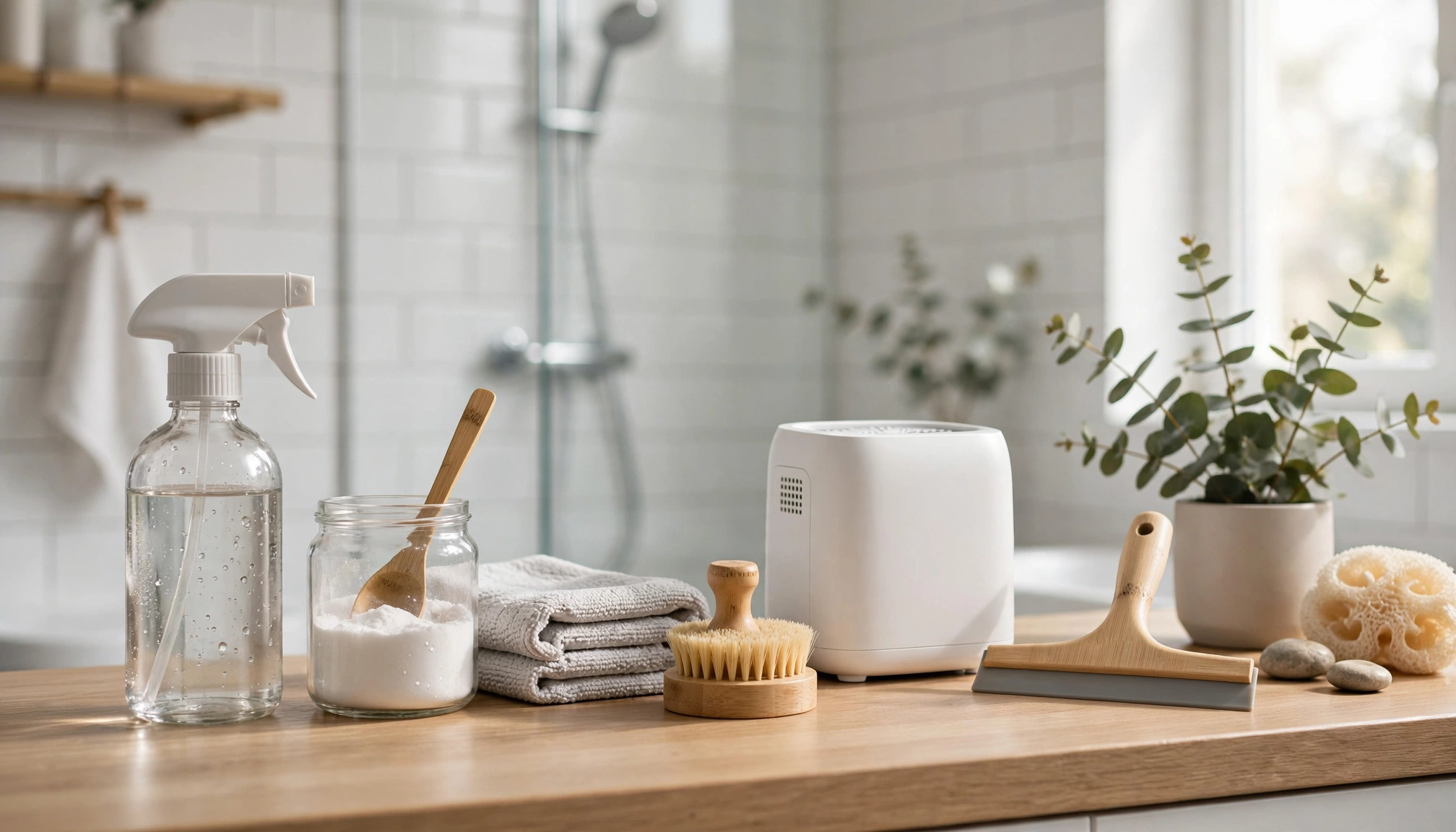
- Invest in a Humidifier: This is non-negotiable for me. I run a cool-mist humidifier in my bedroom every night from November through March. Look for models with an adjustable humidistat so you can set it to maintain 40-50% humidity. Sales of humidifiers in North America are projected to reach $1.2 billion in 2026, a 7% increase from 2025, showing more people understand their value. A good whole-house humidifier can cost $200-$500, while a room unit runs $40-$150. I prefer ultrasonic cool-mist units for quiet operation and easy cleaning.
- Monitor Humidity Levels: Don't guess. A simple hygrometer (often built into humidifiers or available as a standalone unit for $10-$20) tells you the exact humidity. Aim for 40-50% relative humidity. Going above 60% can encourage mold growth, which you want to avoid. The Environmental Protection Agency provides guidance on indoor air quality, including humidity levels.
- Placement Matters: Place humidifiers in the rooms where you spend the most time, like your bedroom or living room. Keep them a few feet away from walls and furniture to prevent moisture damage.
2. Adjust Your Shower and Bath Routine
Hot showers feel amazing when it's cold outside, but they are a primary cause of dry skin. High temperatures strip your skin of its natural oils.
- Lower the Water Temperature: I've found the sweet spot is lukewarm, not hot. The optimal shower temperature for preventing skin dryness is between 98-105°F (37-41°C). Temperatures above 110°F (43°C) significantly strip natural skin oils, leaving your skin feeling tight and dry afterward.
- Shorten Your Showers: Limit showers to 5-10 minutes. The longer you're in the water, even lukewarm water, the more natural oils you lose.
- Choose Gentle Cleansers: Ditch harsh, foamy soaps that contain sulfates. These detergents are too aggressive for winter skin. Opt for fragrance-free, creamy body washes or syndet bars (synthetic detergent bars) that are pH-balanced. I use a plain glycerin soap or a gentle, unscented body wash.
- Pat Dry, Don't Rub: After showering, gently pat your skin with a soft towel. Leave a little moisture on your skin. This helps the moisturizer you apply next absorb better.
3. Hydrate from the Inside Out
While external moisturizers are key, your internal hydration plays a role.
- Drink Enough Water: This seems obvious, but it's easy to forget when you're not sweating. The recommended daily water intake for adults is approximately 3.7 liters (125 ounces) for men and 2.7 liters (91 ounces) for women, according to the National Academies of Sciences, Engineering, and Medicine. I keep a 1-liter water bottle on my desk and refill it throughout the day to track my intake.
- Eat Water-Rich Foods: Incorporate fruits and vegetables with high water content into your diet. Cucumbers, celery, oranges, and berries contribute to overall hydration.
4. Choose and Apply Natural Moisturizers Effectively
Not all moisturizers are created equal, especially for winter. The timing of application is also critical.
- Apply Immediately After Bathing: This is crucial. Within 3 minutes of getting out of the shower or bath, while your skin is still slightly damp, apply your moisturizer. This locks in the moisture.
- Opt for Occlusives and Emollients:
- Occlusives create a physical barrier on the skin to prevent water loss. Examples: Shea butter, cocoa butter, beeswax, petroleum jelly (though not "natural," it's highly effective).
- Emollients smooth and soften the skin by filling in gaps between skin cells. Examples: Jojoba oil, argan oil, sunflower oil, squalane.
- My Top Natural Picks:
- Shea Butter: This is my go-to for very dry areas like elbows, knees, and feet. It's thick, rich, and forms a protective barrier. A 16-ounce tub of raw shea butter costs around $15-$25.
- Jojoba Oil: This oil closely mimics the skin's natural sebum, making it excellent for the face and body. It absorbs well without feeling greasy. A 16-ounce bottle of 100% pure jojoba oil costs an average of $28.50 at major retailers in October 2026.
- Coconut Oil: While popular, some people find it can clog pores. I use it sparingly on my body, but not on my face.
- Aloe Vera Gel: Great for soothing irritated skin, but it's not a primary moisturizer. Use it under an oil or butter.
- Avoid Fragrances and Irritants: Many commercial lotions contain fragrances, dyes, and alcohol, which can further irritate and dry out sensitive winter skin. Stick to unscented products. The American Academy of Dermatology Association recommends fragrance-free products for dry skin.
5. Protect Your Skin from the Elements
Your skin needs a physical barrier against cold, wind, and low humidity.
- Wear Protective Clothing: Scarves, hats, and gloves are not just for warmth; they shield your skin. I always wear gloves when I'm outside for more than 10 minutes in cold weather.
- Lip Balm is Essential: Your lips are very susceptible to drying and cracking. Use a natural lip balm with ingredients like beeswax, shea butter, or lanolin. Reapply frequently.
- Sunscreen (Yes, Even in Winter): UV rays still reach your skin, even on cloudy winter days. Sun exposure can further compromise your skin barrier. Use a broad-spectrum sunscreen with at least SPF 30 on exposed skin, especially your face.
6. Consider Your Diet and Supplements
While not a magic bullet, certain nutrients support skin health.
- Omega-3 Fatty Acids: These healthy fats help maintain skin barrier function and reduce inflammation. You can get them from fatty fish (salmon, mackerel), flaxseeds, chia seeds, and walnuts. I take a daily fish oil supplement.
- Antioxidants: Vitamins C and E protect skin cells from damage. Found in fruits, vegetables, and nuts.
Comparison of Natural Moisturizers
| Moisturizer Type | Primary Benefit | Texture | Cost (per 16 oz, approx. 2026) | Best Use Case | Notes |
|---|---|---|---|---|---|
| Shea Butter | Occlusive, deeply moisturizing | Thick, creamy | $15 - $25 | Very dry skin, elbows, knees, feet, body | Excellent barrier, can be heavy for face, unscented is best |
| Jojoba Oil | Emollient, mimics sebum | Light oil | $28 - $35 | Face, body, sensitive skin, non-comedogenic | Absorbs well, good for all skin types, including oily/acne-prone |
| Cocoa Butter | Occlusive, protective | Solid, firm | $12 - $20 | Stretch marks, very dry patches, body | Strong chocolate scent, can be heavy, may clog pores for some |
| Argan Oil | Emollient, nourishing | Light oil | $35 - $50 | Face, hair, nails, anti-aging | Rich in Vitamin E, good for sensitive and mature skin |
| Coconut Oil | Emollient, antimicrobial | Solid (below 76°F) | $8 - $15 | Body, hair, some find it comedogenic for face | Can be pore-clogging for some, distinct scent, use virgin, unrefined |
Practical Takeaways
- Humidify your home: Aim for 40-50% humidity. This is the biggest game-changer.
- Lukewarm, short showers: Keep water temperature below 105°F (41°C) and limit to 5-10 minutes.
- Moisturize immediately: Apply a rich, natural moisturizer (like shea butter or jojoba oil) within 3 minutes of bathing.
- Hydrate internally: Drink 2.7-3.7 liters of water daily.
- Protect exposed skin: Wear gloves, scarves, and use lip balm.
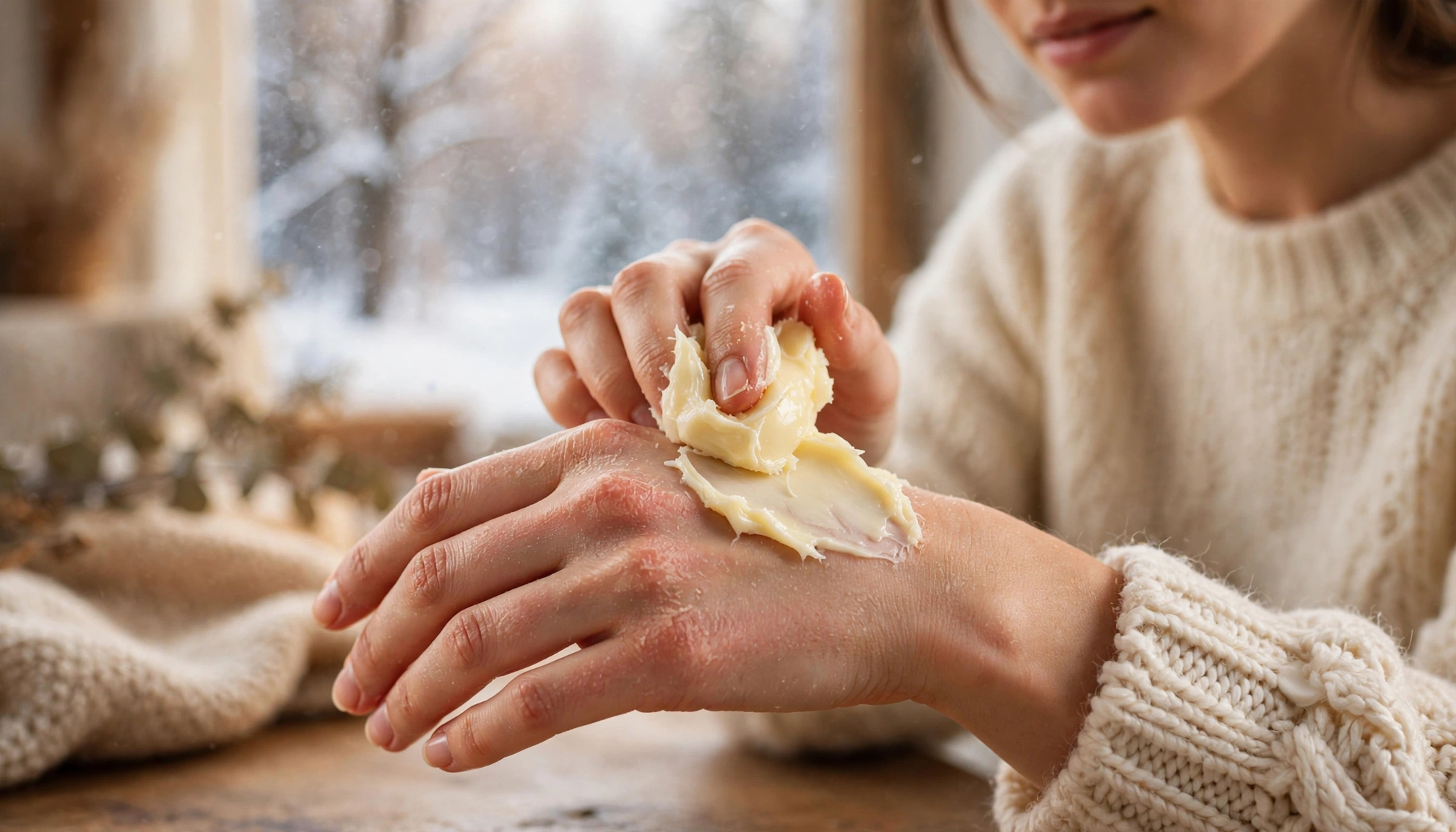
A woman applying natural shea butter to her dry hands in winter