Navigating Israel Travel Advisories (2026)
Traveling to Israel in 2026 involves understanding the U.S. Department of State's "Level 3: Reconsider Travel" advisory. This guide breaks down what that means for you, from safety concerns to insurance and practical logistics. I've been through these advisories myself, and the key is always to cut through the noise and focus on concrete facts and personal preparedness.
What "Level 3: Reconsider Travel" Actually Means
The U.S. Department of State's "Level 3: Reconsider Travel" advisory for Israel has been active since January 15, 2026, due to terrorism and civil unrest. This is a critical distinction: it is an advisory, not a prohibition. The U.S. government does not forbid its citizens from traveling to Israel under this level. Instead, it urges travelers to seriously weigh the risks against their need to travel.
It does not:
- Automatically invalidate all travel insurance policies.
- Prevent U.S. citizens from entering Israel (assuming they meet Israeli entry requirements).
- Mean all parts of Israel are equally dangerous. Specific regions, like the Gaza Strip and areas near its border, often carry higher-level advisories or explicit "Do Not Travel" warnings.
- Suggest that there are serious risks to safety and security.
- Require increased vigilance and preparedness from travelers.
- Impact the terms and conditions of many standard travel insurance policies.
Travel Insurance Under a Level 3 Advisory
This is where many travelers get confused. A "Level 3: Reconsider Travel" advisory does not automatically void your travel insurance. However, it significantly changes what most standard policies cover.
Standard Policies (often limited):
Many basic travel insurance policies contain "war," "terrorism," or "civil unrest" exclusions. If an incident directly related to the advisory (e.g., a terrorist attack, military action) causes a trip cancellation, delay, or medical emergency, a standard policy might deny your claim. You need to read the fine print. I've seen too many people assume they're covered only to find out they aren't when a real crisis hits.
"Cancel For Any Reason" (CFAR) Policies (recommended):
For travel to areas with elevated advisories, "Cancel For Any Reason" (CFAR) insurance is often the only way to protect your financial investment if you decide to cancel due to concerns related to the advisory. CFAR policies cost more, typically 10-15% of your total non-refundable trip cost. For a $3,000 trip to Israel, you'd expect to pay $300-$450 for CFAR coverage. This type of policy usually reimburses 50-75% of your non-refundable costs if you cancel for a reason not covered by standard policies, including simply feeling unsafe due to the State Department advisory. You usually need to purchase CFAR within 10-21 days of your initial trip deposit.
Medical Insurance:
Regardless of the advisory, mandatory travel health insurance for non-Israeli citizens entering Israel in 2026 must cover at least $100,000 USD in medical expenses, including COVID-19 related treatment. Ensure your policy meets this minimum requirement. Your regular U.S. health insurance likely does not cover you abroad.
Entry Requirements and Airport Operations
Israel's entry requirements for U.S. citizens generally remain consistent: a valid passport with at least six months' validity beyond your intended stay. You typically receive a tourist visa upon arrival. However, always check the U.S. Embassy in Israel's travel information page for any last-minute changes, as entry rules can shift quickly during periods of unrest.
Ben Gurion Airport (TLV) remains fully operational. The airport processed an average of 2.1 million international passengers per month during the first three quarters of 2026, a 15% increase compared to the same period in 2022. This indicates robust air traffic despite the advisory. Security at TLV is among the tightest in the world, which can mean longer processing times for both arrival and departure. Plan for at least 3 hours before your international flight departure.
Flight Costs and Cancellations
The average cost for a round-trip economy class flight from New York (JFK) to Tel Aviv (TLV) in October 2026 is approximately $1,150 USD, based on data from major airline aggregators. Flight prices can fluctuate significantly based on demand and perceived stability.
Cancellations due to regional tensions:
Airlines might cancel flights if the Federal Aviation Administration (FAA) issues restrictions or if the airline deems the route unsafe. If an airline cancels your flight, you are generally entitled to a full refund or rebooking on another flight, even if you bought a non-refundable ticket. This is a Department of Transportation rule, not an insurance payout. However, if you cancel your flight because of the advisory, and the airline is still flying, you are subject to the ticket's terms (e.g., loss of funds for non-refundable tickets, or a change fee for flexible tickets). This is where CFAR insurance becomes valuable.
Safety and Security On The Ground
The "Level 3: Reconsider Travel" advisory means you need to be extra vigilant.
- Stay Informed: Monitor local news and the U.S. Department of State's Israel Travel Advisory for real-time updates. Enroll in the Smart Traveler Enrollment Program (STEP) to receive alerts from the U.S. Embassy.
- Personal Security Plan: Know the locations of the nearest bomb shelters (often marked with a yellow and black symbol) or safe rooms in any accommodation. Have a communication plan with family back home.
- Avoid Demonstrations: Even peaceful demonstrations can turn violent quickly. Stay away from large gatherings.
- Transportation: Public transportation is generally safe but be aware of your surroundings. Taxis and ride-sharing apps are widely available.
- Currency: The current exchange rate is approximately 1 USD = 3.75 Israeli Shekels (ILS), fluctuating by less than 0.5% daily in Q3 2026. Credit cards are widely accepted.
Data Comparison: Travel Advisory Levels & Implications
| Advisory Level | Description (U.S. Dept. of State) | Common Insurance Impact (General) | Example Action |
|---|---|---|---|
| Level 1 | Exercise Normal Precautions | Standard policies generally valid | Visit major tourist sites |
| Level 2 | Exercise Increased Caution | Some exclusions may apply; review policy | Avoid certain neighborhoods at night |
| Level 3 | Reconsider Travel | Standard policies often exclude; CFAR recommended | Re-evaluate trip necessity; heightened vigilance |
| Level 4 | Do Not Travel | Most policies invalid; CFAR may cover cancellation | Evacuate if already present; postpone all travel |
Traveler checking phone for updates
Practical Takeaways for Travelers
- Read the Fine Print: For any travel insurance, carefully review the policy's exclusions related to war, terrorism, and civil unrest. If you are concerned about canceling due to the advisory, a CFAR policy is your best bet.
- Enroll in STEP: This free service from the U.S. government sends you alerts and helps the embassy locate you in an emergency.
- Stay Flexible: Book refundable accommodations and flights if possible, or ensure your insurance covers non-refundable costs.
- Monitor News: Keep an eye on both international and local Israeli news sources. The situation can change rapidly.
- Have a Plan B: Know what you would do if flights are grounded, or if you need to leave quickly. Keep important documents (passport, insurance info) easily accessible.
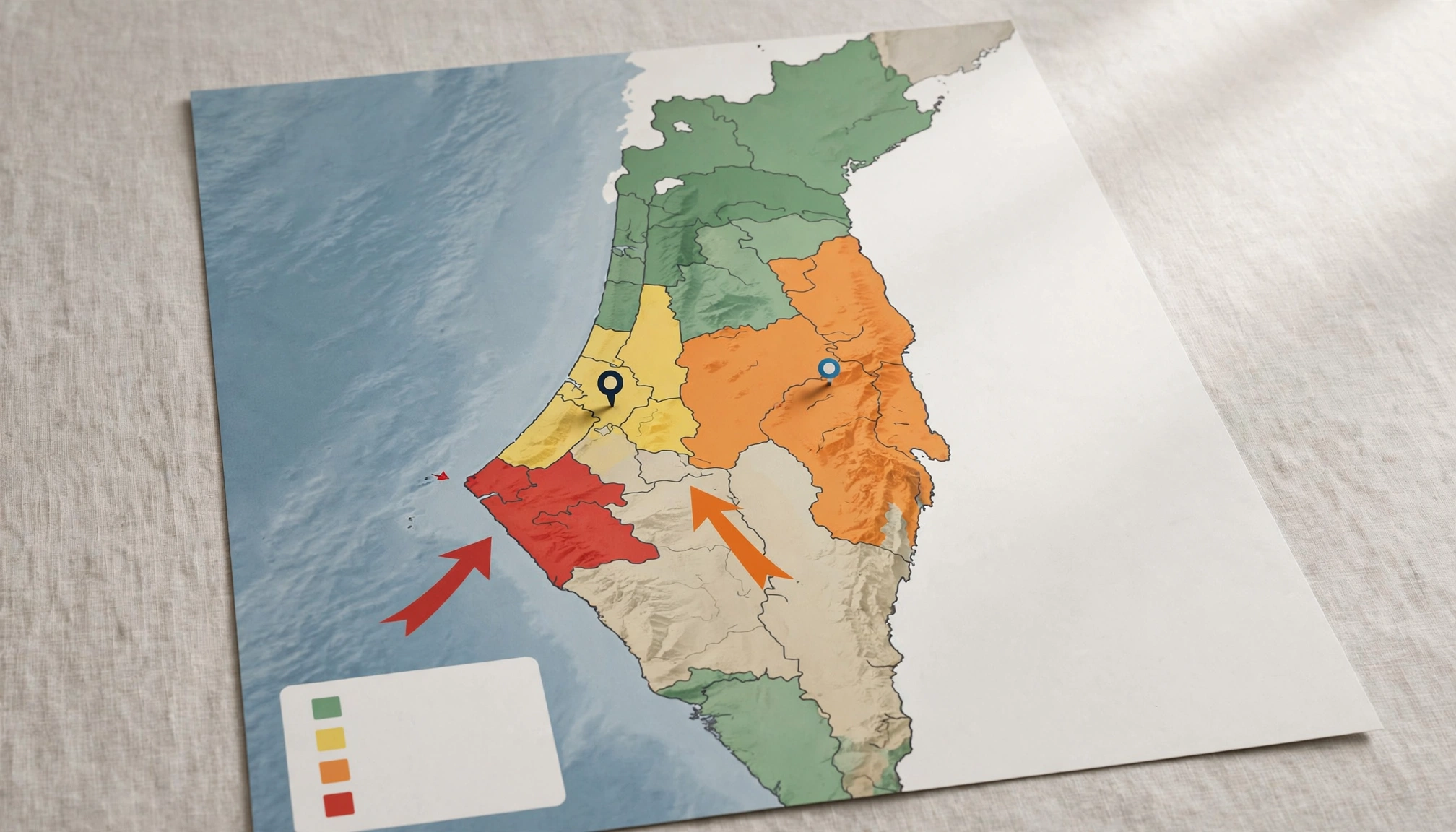
Map of Israel with security zones highlighted