Smart Fabrics vs. Traditional Materials for Activewear in 2027
Choosing activewear in 2027 means weighing advanced tech against proven reliability. Smart fabrics, with their integrated sensors and adaptive properties, promise a new era of performance monitoring and comfort. Traditional materials, however, continue to deliver on durability, cost-effectiveness, and essential functionality. This guide breaks down the real-world trade-offs for your active pursuits.
What Defines Smart Fabrics in Activewear?
Smart fabrics in activewear are textiles that integrate technology to provide additional functionality beyond basic coverage. This often involves embedded electronics, specialized material compositions, or responsive structures.
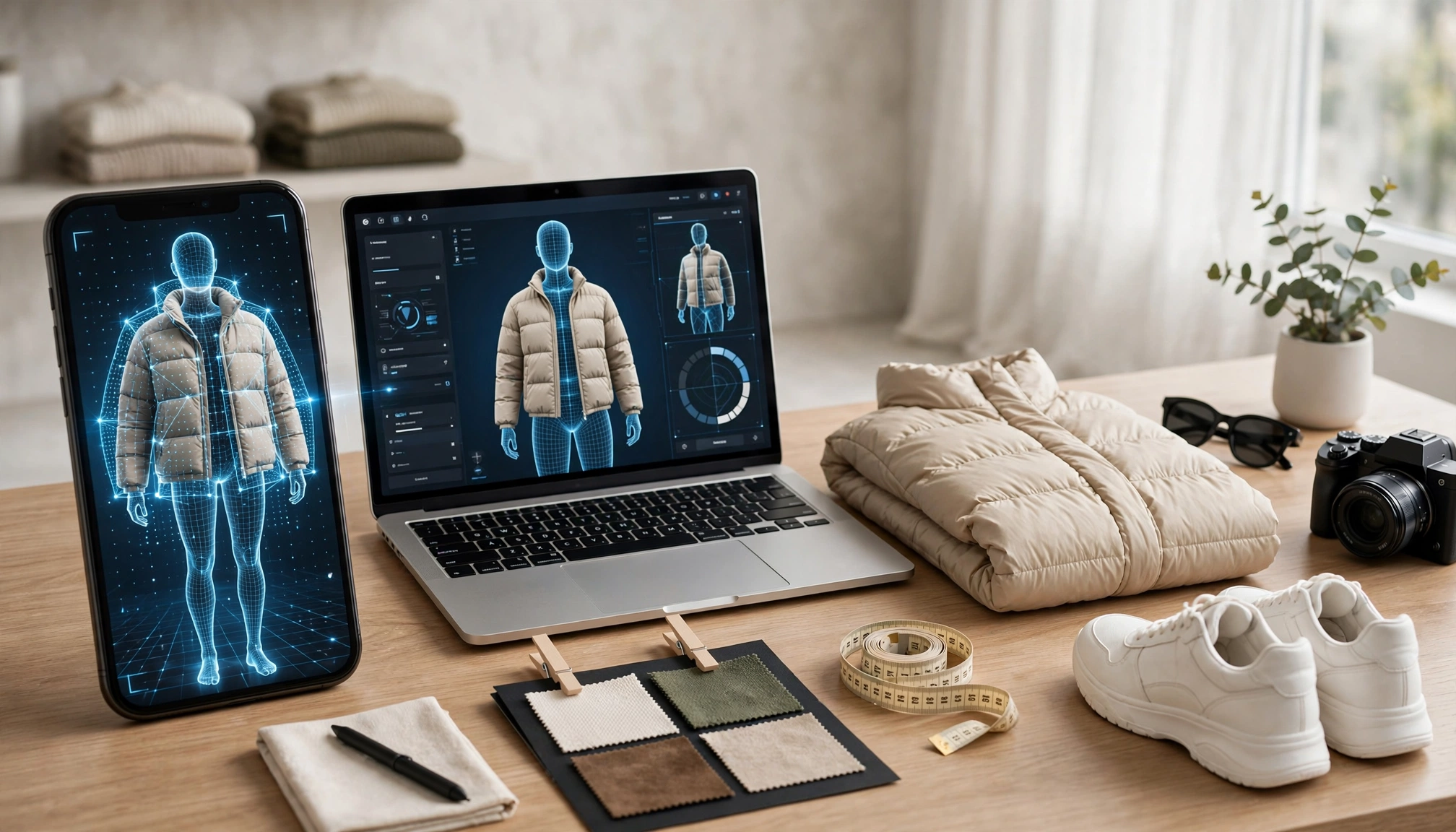
- Biometric Tracking: Many smart garments include sensors that monitor heart rate, respiration, muscle activity, and even posture. For example, a smart activewear top with integrated biometric sensors costs about $185.00 USD. This compares to $65.00 USD for a similar traditional synthetic top. These sensors often transmit data via Bluetooth to a smartphone app, giving real-time feedback during a workout.
- Temperature Regulation: Some smart fabrics use phase-change materials (PCMs) or microfluidic channels to actively manage skin temperature. These materials absorb and release heat as needed. Smart fabrics with PCMs can regulate skin temperature within a 5°F (2.8°C) range, maintaining a comfortable 72°F (22.2°C) when ambient temperatures are between 65°F (18.3°C) and 80°F (26.7°C). This active regulation helps prevent overheating or excessive cooling.
- Electrostimulation & Compression: Certain smart garments incorporate conductive fibers or electrodes for targeted muscle stimulation or enhanced compression. A leading smart fabric brand reports a 15% reduction in muscle fatigue for users wearing their compression garments with integrated electro-stimulation during 45-minute high-intensity interval training (HIIT) sessions. This is a direct benefit for recovery and performance.
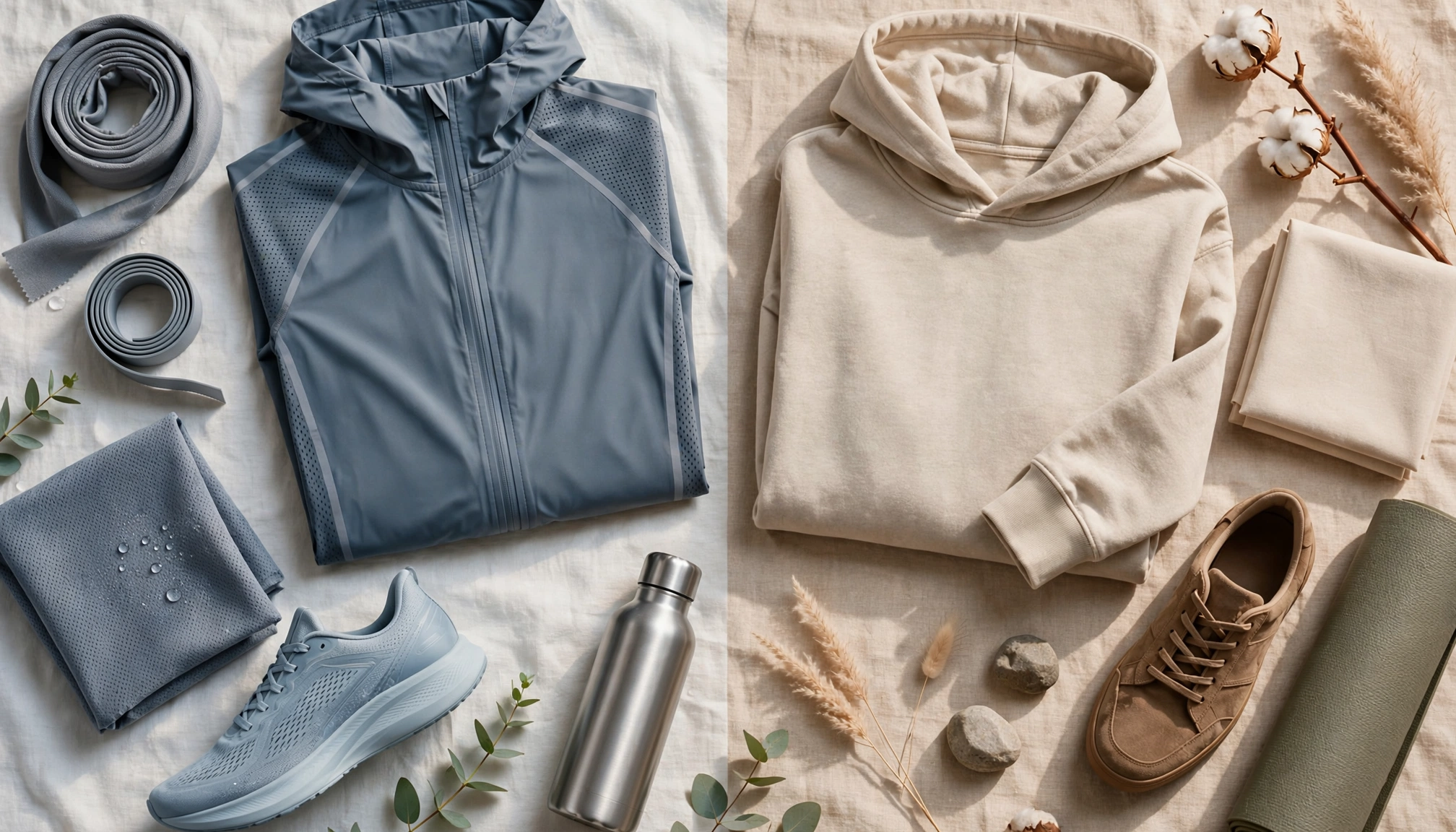
- Moisture Management: While traditional fabrics wick sweat, some smart fabrics use advanced microfluidic structures for more efficient moisture transfer. Advanced moisture-wicking traditional polyester activewear transfers sweat at 0.35 grams per square meter per minute (g/m²/min). Smart fabrics with microfluidic channels achieve 0.50 g/m²/min, a 43% improvement in sweat transport efficiency.
What Defines Traditional Materials in Activewear?
Traditional activewear materials focus on proven performance characteristics without integrated electronics or complex adaptive features. They rely on fiber structure and fabric construction to deliver benefits.
- Synthetics (Polyester, Nylon, Spandex): These are the workhorses of activewear. They offer excellent moisture-wicking properties, quick drying times, and durability. Polyester, for instance, is hydrophobic, meaning it resists water absorption, pushing sweat to the fabric surface where it evaporates. Nylon provides strength and abrasion resistance, while spandex (elastane) gives stretch and shape retention.
- Natural Fibers (Merino Wool, Cotton): While cotton is generally avoided for high-intensity activewear due to its absorbency and slow drying, merino wool is a notable exception. It offers natural temperature regulation, odor resistance, and moisture-wicking capabilities, though it dries slower than synthetics. Merino wool can absorb up to 30% of its weight in moisture before feeling damp, making it suitable for varied conditions.
- Blends: Many traditional activewear garments use blends of these fibers to combine their best properties. For example, a polyester-spandex blend offers both wicking and stretch.
Performance Comparison: Smart Fabrics vs. Traditional Materials
Let's break down how these two categories stack up across key performance metrics.
1. Biometric Tracking & Data
- Smart Fabrics: This is where smart fabrics truly shine. They offer integrated, continuous monitoring of vital signs like heart rate, respiration rate, and even muscle activation. This data is often more accurate and less intrusive than external wearables. The National Institutes of Health (NIH) has published research on the efficacy of wearable biometrics.
- Traditional Materials: Provide no inherent biometric tracking. Users rely on external devices like chest straps, smartwatches, or fitness trackers. These external devices can be accurate but sometimes shift during intense activity or require separate charging.
2. Temperature Regulation
- Smart Fabrics: Advanced smart fabrics with phase-change materials actively manage body temperature. They can absorb excess heat when you're hot and release it when you're cold, maintaining a more stable microclimate around the skin. This can keep you comfortable within a 5°F (2.8°C) range, preventing significant temperature swings.
- Traditional Materials: Rely on passive mechanisms. Moisture-wicking fabrics move sweat away to cool you, and insulating fabrics trap air to warm you. They do not actively adapt to changing conditions. Merino wool offers natural thermoregulation, but it is a passive process based on its fiber structure.
3. Moisture Management
- Smart Fabrics: Some smart fabrics incorporate microfluidic channels or advanced fiber structures that can enhance sweat transport. As noted, they can achieve 0.50 g/m²/min sweat transfer, outperforming traditional synthetics by a noticeable margin. This means faster drying and a drier feel during intense exercise.
- Traditional Materials: High-quality synthetic fabrics like polyester and nylon are excellent at wicking moisture. They move sweat from the skin to the fabric's outer surface where it evaporates. While effective, their rate of transfer is typically 0.35 g/m²/min.
4. Durability & Lifespan
- Smart Fabrics: The average lifespan of smart fabric activewear is 2-3 years or approximately 100-150 washes. This shorter lifespan is often due to the integrity of embedded sensors, wiring, and battery life, which can degrade with repeated washing and wear. The delicate electronics are susceptible to damage.
- Traditional Materials: Traditional activewear can last 3-5 years or 150-250 washes. These garments lack sensitive electronics, making them more resilient to standard washing cycles and general wear and tear. Their durability depends primarily on fabric quality and construction.
5. Cost
- Smart Fabrics: Significantly more expensive. A smart fabric activewear top with integrated biometric sensors costs around $185.00 USD. This higher price reflects the research, development, and manufacturing complexity of embedding electronics and advanced materials.
- Traditional Materials: Much more affordable. A comparable traditional synthetic top costs about $65.00 USD. This accessibility makes them a practical choice for most consumers.
6. Maintenance & Care
- Smart Fabrics: Often require specialized care. Many smart garments need hand washing, gentle cycles, or specific detergents to protect the embedded electronics. Batteries may need periodic replacement or careful charging. Drying methods can also be restricted.
- Traditional Materials: Generally easy to care for. Most synthetic activewear is machine washable and can be tumble dried on low heat, requiring minimal fuss. Merino wool requires specific care but is still less complex than most smart fabrics.
7. UV Protection
- Smart Fabrics: Many smart fabrics incorporate UV protection, often achieving a UPF (Ultraviolet Protection Factor) of 50+, which blocks over 98% of UVA and UVB rays. This is achieved through specific fiber structures or chemical treatments.
- Traditional Materials: High-quality traditional synthetic activewear also offers excellent UV protection, with many garments achieving UPF 50+. This is a standard feature in performance outdoor apparel, achieved through tight weaves and specific fabric dyes. The ASTM International provides standards for measuring UV protection in textiles.
Data Comparison Table: Smart vs. Traditional Activewear (2026-2027)
| Feature | Smart Fabrics (Typical) | Traditional Materials (Typical) |
|---|---|---|
| Average Top Price | $185.00 USD | $65.00 USD |
| Biometric Tracking | Integrated HR, respiration, muscle activity | None (requires external devices) |
| Temp. Regulation | Active (e.g., 5°F/2.8°C range via PCMs) | Passive (wicking, insulation) |
| Moisture Wicking | 0.50 g/m²/min (microfluidic) | 0.35 g/m²/min (advanced synthetic) |
| Muscle Fatigue Red. | Up to 15% (with electro-stimulation) | None |
| Lifespan | 2-3 years / 100-150 washes (sensor/battery limited) | 3-5 years / 150-250 washes |
| Maintenance | Specialized (hand wash, gentle cycle, specific drying) | Easy (machine wash, tumble dry low) |
| UV Protection | UPF 50+ (blocks >98% UV) | UPF 50+ (blocks >98% UV) |
| Market Growth (CAGR) | 28% (projected 2023-2026) | Stable/Moderate |
Real-World Trade-offs and User Concerns
The promise of smart fabrics is compelling, but practical issues remain.
- Battery Life & Charging: A common complaint is that smart shirt batteries die halfway through a run, making tracking incomplete. This means remembering to charge another device.
- Durability & Washing: The concern about expensive smart leggings breaking in the wash is valid. The delicate electronics are a weak point. This impacts the perceived value for money, especially given the higher initial cost.
- Accuracy & Trust: Users question if the data from smart socks is accurate or just guessing. While some systems are highly validated, others may offer less precise measurements, leading to user skepticism. The IEEE Transactions on Wearable Systems often publishes research on the accuracy and reliability of these sensors.
- Cost vs. Benefit: For many, the significant price difference does not justify the added features, especially if they already own external fitness trackers. The Consumer Reports Activewear Testing often evaluates value for money alongside performance.
Who Benefits Most?
Smart Fabrics are Best For:
- Elite Athletes & Serious Enthusiasts: Those who require precise, continuous biometric data for performance optimization, recovery tracking, or injury prevention. The 15% reduction in muscle fatigue from electro-stimulation can be a significant edge.
- Individuals with Specific Health Needs: People monitoring heart conditions, respiratory issues, or needing constant posture feedback during rehabilitation.
- Early Adopters & Tech Enthusiasts: Those who value cutting-edge technology and are willing to pay a premium and manage specialized care for advanced features.
- Athletes in Extreme Conditions: The active temperature regulation can be a game-changer for maintaining comfort and performance in highly variable environments.
Traditional Materials are Best For:
- Everyday Fitness & Casual Wear: For gym-goers, runners, hikers, and general active lifestyles where basic wicking, comfort, and durability are priorities.
- Budget-Conscious Consumers: The lower price point makes high-quality traditional activewear accessible to a broader audience.
- Those Prioritizing Durability & Low Maintenance: If you need garments that withstand frequent washing and rough use without special care, traditional materials are the clear winner.